
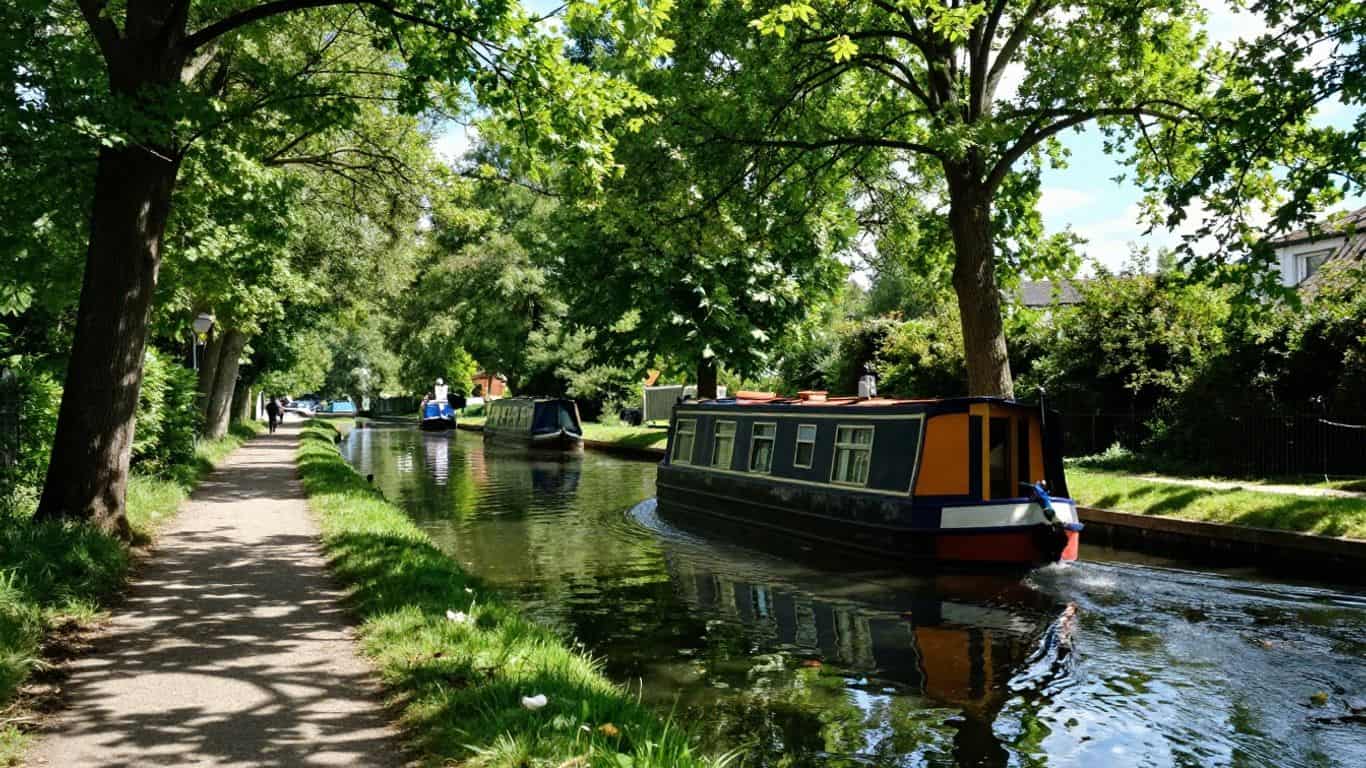
The Ultimate Guide to the Canal du Midi, France: Cycling, Boating, and Slow Travel

The Canal du Midi in France is this major waterway everyone talks about, mostly because it feels like scenic beauty sort of all the way through it, and it lets you quietly discover the countryside, older towns and that lovely landscape. It is a UNESCO World Heritage place, and it should please pretty much all kinds of travelers, whether you’re thinking of cycling along tree shaded towpaths, or taking a boat to catch those beautiful views, or just wanting to live that slow travel routine by stepping away from the hectic daily routines of modern life.
Drifting along the Canal du Midi can feel like a laid back venture, kinda ideal for anyone who wants to go slow, and also notice the tiny details, not just the big views. Anyway, before you set out, keep a few key points in mind, just to make the whole trip run smoother and easier. Here are the best ones:
Key Takeaways
- The Canal du Midi is flat and easy for biking, good for beginners or families.
- You can choose between cycling, boating, or even mixing both during your trip.
- There are many villages along the way, each with its own food and history.
- Wine tasting and local dishes are a big part of the experience; don’t skip them.
- Plan for bike rentals, boat bookings, and places you want to stop.
Understanding the Canal du Midi: History and Highlights
Engineering Marvel of the 17th Century
When I first heard about the Canal du Midi, I pictured a simple ditch. Boy, was I wrong. This waterway is a serious piece of work, especially when you think about when it was built – way back in the 1600s. Pierre-Paul Riquet, the guy behind it all, was kinda a visionary yeah. He managed to sort of connect the Atlantic Ocean to the Mediterranean Sea, across the south of France, and well the whole project took more than ten years to get done. I mean it wasn’t only digging, there was also a lot of work with locks and bridges, plus, get this, a tunnel too. The overall scale, just thinking about it feels unreal for that time period.
UNESCO World Heritage Site Significance
No surprise really the Canal du Midi is a UNESCO World Heritage site. It’s not just a lovely watery passage either, it’s also recognized for its outstanding universal value, which is why it gets protected and basically celebrated as something meaningful from human history and engineering. When you visit, it feels like walking into a living museum, all at once, quiet and grand. In a way it’s a reminder of human ingenuity and the sheer ambition to connect far away places, like distant lands.
Notable Features: Locks, Bridges, and Aqueducts
As you travel along, you’ll see some incredible structures. The locks are particularly fascinating. Watching a boat rise or fall is quite the show. The Fonseranes Locks near Béziers, with their unique staircase design, are a must-see. Then there are the aqueducts, like the Pont Canal de l’Orb, which carry the canal over rivers – a clever way to keep the water flowing smoothly. And don’t forget the bridges, some of which are quite old and charming. It’s these features that really make the canal a journey through history and engineering.
Where to Stay:
Though the canal on its own is the big draw, there are pleasant towns and villages just hanging along its banks, sort of aligned in a quiet line. You can see all kinds of places from small guesthouses, chambres d’hôtes, tucked in still villages to more well known hotels in larger stops like Carcassonne or Béziers. Also, sleeping on a houseboat for a night or two feels like a pretty particular experience. It kind of shifts your viewpoint on canal living, as if you’re there in another way, not merely drifting through.
Planning Your Canal du Midi Adventure
I wish someone had handed me a practical Canal du Midi guide before my first Canal du Midi trip, because prepping for this French escape takes a little thought. After a couple of journeys—one on two wheels, one by boat—here’s what actually matters when you’re planning the experience (and what I wish I’d known from the start).
Best Times to Travel
Let’s say, not all seasons are created equal here. The canal runs across southern France, so local weather kind of makes a big difference in how your vacation feels, and it will be noticeable. In general the most comfortable months for a Canal du Midi trip are late spring like May and June or early autumn, September to October.
- Summer (July–August): Very warm, can be crowded and sometimes a little dry-looking along parts of the canal
- Spring: Most of the trees are green, wildflowers everywhere, less tourist traffic
- Fall: Grape harvest time, pretty colors, but cooler evenings
- Winter: Quiet, but some businesses close, and shorter daylight hours
| Month | Weather | Crowds | Landscape |
| May–June | Mild, sunny | Light | Lush, green |
| July–August | Hot, sunny | Bustling | Drier, lively |
| Sept–Oct | Warm, crisp | Quieter | Golden, grapevines |
If you’re chasing quiet, steer clear of high summer. But, hey, sometimes bustling canals and full restaurants are part of the fun, too!
Essential Packing Tips
Every time I pack for a trip like this, I swear I’ve got it down, then yeah… sure enough I always wish I brought something else. With both biking and boating space is limited, so try to pack light, like really light, not a bulky kind of thing.
- Soft duffel bags are easier to stash than hard suitcases
- Quick-dry clothing is a must; expect splashes and the odd rain shower
- Sun protection: hat, sunglasses, sunscreen
- Non-slip shoes for boating, sturdy sneakers for cycling
- Gloves for handling ropes or bikes
- A reusable water bottle; it does get hot
- A small, waterproof bag (for valuables when you’re near water)
- Mosquito repellent (trust me, especially on warm evenings by the canal)
I also suggest bringing a small, little stash of basic snacks and breakfast things, especially if you mean to eat onboard or slip out early in the mornings. Nearby bakeries don’t always open as early as you might think, so it can get a bit unpredictable. Like you know, breakfast and that sort of thing is kind of. hard to count on when the doors are slow to show up.
Choosing Between Biking and Boating
Here’s my take, having tried both: each has its own kind of charm, and your travel style matters.
- Boating is about slowing down. You cruise at 7km/h. Morning coffee on the deck, afternoons exploring little towns, evenings with local wine. You need no boating license on most rentals; just a short briefing.
- Cycling is for the active crowd. The towpath goes for long stretches, and you can do a little side-exploration of villages, vineyards, and hills. It’s more physical, but you cover more ground (and can justify all the cheese and cassoulet). Rentals are easy to arrange, even e-bikes if you want to make it easier.
- Combination trips are possible! Some groups split up during the day; boaters and bikers meet up at locks or village stops. That adds a fun twist.
| Factor | Boating | Cycling |
| Daily pace | Slow, laid back | Flexible, active |
| Activity | Minimal (lifting ropes) | Moderate, can be hard |
| Scenery | Constant, peaceful | More varied, farther |
| Luggage | Onboard storage | Needs to be portable |
| Cost | High upfront, per boat | Lower, per person |
| Social life | Close quarters | More independent |
Don’t overbook yourself. Reserve some unplanned afternoons. I learned that the best moments happen when you have the time to sit along the water and watch the world float, or pedal—by.
Where to Stay
When you are not dozing aboard a boat or hiding your kit at a campsite, there are a few genuinely good local choices down in the main canal villages, like B&Bs, tiny hotels, or even vineyard guesthouses, where you can settle in kind of ease.
- In Castelnaudary, I stayed at a family-run hotel with a garden made for late dinners.
- Carcassonne has boutique hotels right outside the city walls and friendly guesthouses run by locals.
- For a taste of rural canal life, look at gîtes (farmhouse rentals) or canal-side inns in quieter villages like Homps or Le Somail.
- If you prefer bigger options with more amenities, cities like Toulouse or Narbonne are good starting or finishing points.
- If you want a slightly different but similarly relaxed canal experience, the Canal du Nivernais is another spot I’d recommend, especially if you enjoy quieter waterways and fewer crowds.
Every option has its small perks, I mean honestly but like—if you make space for yourself to slow down and savor the scenery even a bit you really can’t go wrong with planning a journey along the Canal du Midi.
Starting Points and Route Options Along the Canal
After I spent some unforgettable days and, well, a few soggy nights exploring the Canal du Midi, I can honestly say that choosing the right starting base and route kinda changes everything, like way more than I expected. Each little town along the canal has some unique charm going on, but if you know where you plan to start, and where you’re supposed to finish, the whole thing feels smoother, and it saves you a pile of last-minute stress.
Highlights of the Toulouse to Sète Stretch
The classic trip along the Canal du Midi goes from the vibrant city of Toulouse, to the Mediterranean harbor town of Sète. I noticed that this part has kind of a lot going on, lively cities yes, quiet hamlets too, rolling vineyards and also a slow, meandering water line, pushed along by plane trees, and stone bridges. It feels, at least for me, like it just sort of drifts forward, instead of rushing.
Here’s a quick breakdown of this iconic stretch:
- Toulouse: The urban energy is perfect for kicking things off, with great restaurants, bustling markets, and a big train station for easy arrivals.
- Carcassonne: Stay a night to experience the legendary walled citadel lit up at dusk; worth every second.
- Homps: Small but perfectly situated for both boating and biking, with friendly boat bases and nice spots to refuel.
- Béziers and the Fonseranes Locks: Don’t rush past; the staircase of locks is genuinely impressive in action.
- Sète: The finish line by the sea, with plenty of seafood to celebrate the end of the journey.
On my trip, drifting into Sète after days of slow travel, I finally got what everyone means by “taking the scenic route.”
Popular Start Bases: Homps, Castelnaudary, and Port Cassafières
Your starting port can shape your experience. Here are the ones I’ve tried or seen up close; the differences really matter!
| Base | Best For | Why Start Here |
| Homps | Flexibility | About midway along the canal: go east or west. Quiet, easy-going, and boats always ready. |
| Castelnaudary | Local Cuisine | The home of Cassoulet—plus a huge basin perfect if you’re nervous about first-time boating. |
| Port Cassafières | Proximity to Beaches | Last stop before the Mediterranean beaches. Good for shorter trips or an easy return to Sète. |
A few tips:
- Homps has bike and boat rentals right on the water; less hassle if you’re new.
- Castelnaudary’s Old Port is so beautiful at dawn. If you’re into local food, start or end here and don’t skip the markets.
- Port Cassafières feels very relaxed and is super close to nature; the birdlife is amazing early in the morning.
Day Trips Versus Week-Long Journeys
I tried both: a quick cycling jaunt and a full eight-night boating trip. They each have their charms:
- Day trips: Best for sampling the canal, especially between Carcassonne and Trebes (gentle ride, medieval views), or a boating taster from Homps.
- Multi-day or week-long: Slow travel at its finest. I loved stopping at tiny villages, collecting picnic supplies from the morning markets, and making impromptu mooring stops for wine tastings.
- Mixed mode: Some folks rent bikes for one part, then continue by boat, or vice versa. It’s easy to swap modes in Carcassonne or Homps.
Where to Stay
If you’re not sleeping onboard your boat, there are fantastic options along the canal:
- Converted barges (peniches): My night on a historic barge in Gardouch was a highlight; I’ve never slept better.
- Guesthouses/B&Bs: Le Somail and Colombiers both have welcoming, affordable places run by locals who know all the secrets.
- Hotels in larger towns: Toulouse, Carcassonne, and Béziers all have good mid-range hotels near the water.
- Book early for summer, as these fill up fast. Many properties offer canal views, which I highly recommend if you want the complete Canal du Midi experience.
Practical Stuff
- Consider journey length and your schedule; return logistics can be tricky, especially if you want to start and finish in different towns. There are shuttle and taxi services, but it pays to plan in advance.
- Some towns, like Homps and Castelnaudary, have shops for provisioning right by the quay; stock up before you set off, especially on Sundays when everything closes down.
- If you need bike or boat rentals, book ahead. During spring and summer, demand goes up, and you don’t want to miss out.
Choosing your starting point and mapping your route are, in my opinion, the two most important decisions for enjoying the Canal du Midi. With a bit of planning, you can have the type of journey that suits you; be it a relaxed afternoon floating along or a weeklong adventure from city to sea.
Canal du Midi Travel Cycling Guide: Top Biking Routes
Cycling along the Canal du Midi France route is honestly one of my favorite European experiences. You don’t need to be an expert or even super fit to enjoy the scenery, flat towpaths, and the villages you’ll find along the way. Let me walk you through what stood out from my own journey, and some practical tips to help you plan a great cycle trip here.
Easy and Scenic Towpath Trails
The Canal du Midi towpath is sort of the ultimate no-stress cycling path, like really. It stays mostly flat and pretty free of traffic, it keeps on winding through leafy plane tree tunnels, past open farming land and quiet French villages. There is never any rush, so you’ll want to do a bit of looking around (plus the little snack pauses) because otherwise, why even go.
- The classic stretch from Toulouse to Sète is about 240km (150 miles).
- Informal picnic stops pop up everywhere, often near old lock houses or the water’s edge.
- Signposts are easy to spot, and you can’t really get lost; just follow the water!
Riding the trail felt sort of like this gentle glide through the greatest bits of southern France, with riverside cafes and markets, never too far away, kinda always within reach.
Cycling from Toulouse to Carcassonne
This stretch is probably the most popular for first-timers; for good reason.
- Start in Toulouse, the vibrant “Pink City.”
- Ride past Castelnaudary, famous for its hearty cassoulet.
- Finish in legendary Carcassonne, a medieval fortress that looks straight out of a fairytale.
| Section | Distance (km) | Terrain | Highlights |
| Toulouse to Castelnaudary | 63 | Flat, easy | Canal views, farms |
| Castelnaudary to Carcassonne | 41 | Slight hills | Canal locks, castles |
Expect about 4–6 hours per day if you’re taking it slow.
Biking Logistics: Rentals and Luggage Transfers
Renting bikes along the canal is easy. I recommend:
- Booking in advance, especially in spring or summer.
- Checking if your rental offers luggage transfer services—it’s a game-changer if you want to travel light.
- Picking up your bike in one city and returning it in another—many agencies allow this (just ask when you book).
If you’re into flexible or all-inclusive bike holidays, check out specialist cycling tours in the region. Some even deliver bikes straight to your hotel.
Where to Stay
Accommodation runs the gamut from little bed-and-breakfasts and rural gîtes to small hotels by the canal. A few tips from my trip:
Book ahead if you’re cycling in July or August.
Don’t rule out village hostels or farm stays—they’re often the friendliest (and serve up local specialties!).
Pick spots close to the canal path so you’re not zigzagging through town with sore legs at the end of a ride.
What made the ride memorable wasn’t just the landmarks or food (though both were great); it was the unhurried way the day unfolded, the quiet water beside you, and the chance to stop wherever looked interesting.
If you’re new to long rides, don’t worry: you’ll find yourself in good company (and a lot of beautiful places to rest along the canal).
Boating on the Canal du Midi: What to Expect
Exploring the Canal du Midi by boat is something I’ll never forget. It’s a special kind of travel; slow, social, and always surprising, whether you’re handling your first lock or mooring up under sycamore trees in a peaceful village. Here’s what stood out to me, and what I’d recommend you keep in mind before you go.
Renting a Self-Drive Boat for Beginners
I’m admittedly not great with boats, but the Canal du Midi is almost designed for folks like me. Most of the boats you’ll run into around here are self-drive, so you typically don’t need a boating license. Rental companies— like Le Boat and Locaboat— sort of walk you through a crash course right when you collect your boat. You know, handholding but quick and practical. My tip? Don’t stress. They’ll show you how to steer, reverse, moor, and even use a bow thruster if the boat’s got one.
A few things to remember:
- Boats range in size, usually sleeping 2-6 people comfortably
- Expect to pay roughly $1,200-$1,800 per week, with fuel and extras (like bicycles) as add-ons
- Duffel bags are better than hard suitcases: space is tight
- Most rentals include kitchen basics, linens, and safety equipment
- Get groceries and essentials in your start town (Homps is an easy entry point)
Here’s a quick comparison of major Canal du Midi rental companies:
| Company | License Needed | Sleeps | Price/Week* | Bikes Available |
| Le Boat | No | 2-12 | $1,200+ | Yes |
| Locaboat | No | 2-12 | $1,300+ | Yes |
*Prices as experienced in late spring. Fuel and extras not included.
Navigating Locks and Canal Infrastructure
Locks are, like, the most unforgettable (and often mildly stressful) part of the whole trip. Our group turned it into a game kinda, like who could lob the rope with the least amount of misses. Most locks are managed by helpful lockkeepers, but even so you’re still jumping off and swinging around, tossing those thick ropes and leaning into heavy wooden gates. Gloves and shoes with non-slip traction were a total lifesaver.
My routine after the first day:
Plan to reach the first lock by 9 AM when they open. You’ll wait less.
Watch for lock lunch breaks! Locks typically close from 12:30-1:30 PM, so time your cruising accordingly.
Locks are often in clusters; it’s faster with more hands, so travel with at least three adults if you can.
Take it slow. There’s a real joy in the old-fashioned, hands-on process.
There’s something weirdly satisfying about teamwork at the locks; the small successes, the mistakes, and the laughter that comes with both.
The canal itself is gentle, with low speed limits to protect the banks. You should expect to spot cyclists on the towpaths, over those small bridges, and at really stunning views like the Malpas Tunnel or the flight of Fonseranes Locks near Béziers. It’s basically worth stopping on foot, even if you can just cruise by on a bike. You’re never far off, not really, from a bakery, a vineyard, or some small museum along the Canal du Midi, it’s usually a short walk or a quick pedal.
Tips for a Comfortable Onboard Experience
Living on a boat is a unique rhythm. Cabins are snug but comfortable. Onboard, I found a few basics made all the difference:
- Bring soft luggage; hard suitcases take up too much space
- Keep a flashlight or headlamp for nighttime walks ashore
- Stock up on wine, cheese, and markets for easy picnics
- Make your beds early; after a day of locks, you’ll want to crash
If you are fussy about what you eat gluten-free, lactose-free or whatever, bring some snacks just in case. The French supermarkets are really good, but in small towns maybe they don’t have the special stuff you need.
Most nights, we would moor in these tiny little villages and then either cook aboard, or just wander into a bistro. The sunsets— the quiet stillness around, and that soft sound of water lapping by; honestly it’s hard to top.
Where to Stay Before (and After) Your Trip
Start in towns like Homps, Castelnaudary, and Port Cassafières, and you can usually find simple hotels, family run B and Bs, or maybe even apartments. I spent my first night at a rather cheerful small guesthouse in Homps, just to shake off jet lag, and grab a few supplies before setting sail. Bigger places (Toulouse or Carcassonne for example) tend to offer a wider choice, but honestly the calm canal-side guesthouses sort of complete that whole slow travelling vibe.
A couple of picks:
- Homps: Canal-side gîte or Chambre d’Hôtes for a local vibe
- Port Cassafières: Beach hotels near Portiragnes for a relaxing pre- or post-cruise
- Castelnaudary: Classic French hotels perfect if you want to try authentic cassoulet
If you ever wanted to do a boat trip, the Canal du Midi is one of those rare spots where beginners are okay, history is kind of everywhere and the pace lets you actually connect with who you travel with. I personally found it relaxing and also, in a way of speaking, kinda thrilling every single day.
Slow Travel Experiences and Village Stops
There’s a certain magic that happens when you let the Canal du Midi set your pace, it’s kinda wild, but it works. It’s not only about getting from point A to point B either. It’s more like the whole journey, that easy kind of rhythm the water keeps, and the little discoveries you pick up along the way. You end up forced to slow down, and that’s where the real charm is hiding.
I remember my first time on the canal, I was sure I’d cover a lot of ground each day, like, straight up plan it out. But the slow speed of the boat, plus the sheer beauty everywhere around, made me want to linger, a lot. Then you start noticing things you would’ve skipped at 60 miles an hour: the way the light filters through plane trees, the quiet splash of a fish jumping, or the far off call of a bird.
Enjoying the Pacing of Slow Travel
This sort of travel is a total reset. It feels like disconnecting from the usual hurry, and then slowly reconnecting with yourself, your companions and the surroundings. You’ll end up waving at the cyclists on the towpath, and you might even trade a grin with people on other boats, without thinking too much about it. Mostly you just let those quiet beats sit with you for a while. There’s also that special moment when you can talk, really talk, no interruptions. Or you read the book you’ve been meaning to finish, or you simply watch the day wander along. It gives you the sense of stepping back in time, but in the best kind of way, like it’s almost gentle and familiar.
Must-Visit Villages: Le Somail and Colombiers
When you’re moving at the canal’s pace, stopping in the villages becomes a highlight. Le Somail is an absolute gem. It feels like a postcard comes to life. Yeah, so there’s this well-known used bookshop nearby, sort of like an Aladdin’s cave, I mean I could have spent hours just getting lost between all the shelves. And then also, there’s this small floating épicerie thing—you know, for grabbing fresh bread and local cheeses. It’s pretty ideal for an improvised picnic on the boat. In the end it’s these little everyday joys that make the whole trip feel so special.
Colombiers is another village that really captured my heart. There’s a really lovely, kind of relaxed atmosphere about it. You can tie up your boat and then wander through the streets, admiring all that architecture as you go. It feels like a perfect spot just to soak in the local vibe, you know? I ended up finding this small cafe of sorts, and I just sat there with a coffee, sort of watching the world move along. Those little unplanned instants, the ones that happen without any script, are often what turn into the most cherished memories of a trip, for me at least.
Cultural Encounters and Local Life
Past the pretty villages, the canal gives you these little glimpses into real French life, not just the staged postcard bits. You might, I mean can’t say for sure, stumble upon a local market day like the one I found in Le Somail, where you pick up fresh produce, regional cheeses and saucisson without much fuss. Honestly it’s a great way to soak in the local rhythm and then load up on tasty things for your onboard meals.
I also noticed that if you start chatting with the locals, even when your French is limited (mine was, really), people respond with this steady warmth and real helpfulness. They’ll share small hints and odd details about the surroundings, the kind you simply don’t see in any guidebook. And it’s those chats, kind of unplanned, that end up making the whole trip feel richer.
The beauty of the Canal du Midi isn’t only about its engineering, or its long history, but in how it kind of makes you pause without even noticing. It’s like a soft reminder that maybe, the best way to see the world is by going through it, slowly, letting every small detail kind of unroll at its own tempo. And then you end up valuing the plain joys— a proper meal, a calm minute, a welcoming face.
Where to Stay:
- Onboard your boat: This is the quintessential Canal du Midi experience. Most boat rentals offer comfortable cabins, a small galley, and a living area, allowing you to wake up to new scenery each day.
- Guesthouses (Chambres d’hôtes): Many villages along the canal have charming bed and breakfasts run by locals, offering a more intimate and personal stay.
- Small Hotels: For those seeking a bit more traditional hotel comfort, you’ll find options in larger towns like Carcassonne or Narbonne, though they might be a short distance from the canal itself.
Wine Tasting and Vineyard Tours Along the Route
Exploring Languedoc-Roussillon Wine Country
The Canal du Midi sort of winds through the middle of the Languedoc-Roussillon area, and honestly it’s a really nice alternative to wandering around the Bordeaux wine region if you’re into wine. Like, the sheer amount of vineyards is kind of mind-boggling. As you go along, you’ll notice long lines of vines stretching out on both sides, as if it’s a quiet proof of centuries of winemaking habits. It feels like a great chance to taste some genuinely local wines, usually from smaller producers, that you’d never really stumble across anywhere else.
Recommended Vineyards and Cellars
You can find wine in lots of places, but a few spots feel like they really matter. Château de Ventenac, for example, is a popular stop. They’ve got these impressive vaulted cellars and they let you taste their Minervois wines, including a pleasant rosé and also a Viognier. It’s kind of a good moment to get a sense of the region’s signature bottles, without overdoing it.
Another little village that’s worth a detour is Le Somail. It’s famous for a charming bookshop and an historic ice house, but it also works nicely as a base for checking out nearby vineyards. We ended up at a small, family-run place a short bike ride away, and the tasting there felt surprisingly personal, like really not a standard script. So yeah, don’t hesitate—ask people who live there for ideas, they often point you toward the best tucked away gems.
- Château de Ventenac: Known for its Minervois reds and rosés.
- Le Somail area: Explore smaller, independent wineries.
- Local Markets: Often feature stalls from regional winemakers.
The beauty of exploring the wine regions along the Canal du Midi is that you can often combine it with other activities. A leisurely bike ride from your moored boat can lead you to a vineyard, or you can plan your itinerary to include a stop in a village known for its wine production.
Wine and Food Pairing Experiences
Pairing the local wines with regional food is, of course, half the fun. The rich, full-bodied reds from Languedoc pair wonderfully with hearty dishes like cassoulet, which you can find in abundance in Castelnaudary. Imagine sitting by the canal, enjoying a glass of local red with a plate of slow-cooked beans and duck confit – pure bliss. For lighter fare, like fresh salads or grilled fish, a crisp white or a dry rosé from the region is perfect.
Many restaurants along the canal are happy to suggest wine pairings for their dishes. If you’re renting a boat, consider picking up some local cheese and charcuterie to enjoy with your wine right on deck as the sun sets. It’s a simple pleasure, but incredibly satisfying. For those looking to explore further afield, consider a day trip to the Bordeaux wine region, though it’s a bit of a journey from the canal itself.
Where to Stay:
Many villages along the canal have charming small hotels or guesthouses (auberges) that are perfect for a night or two if you want to dedicate more time to wine tasting. Look for places in villages like Le Somail, Argeliers, or Ventenac-en-Minervois. Alternatively, if you’re on a self-drive boat, you can moor up near a vineyard and enjoy your tastings before heading back to your floating accommodation.
Gastronomy of the Canal du Midi Region
When I think about the Canal du Midi, my taste buds immediately start to tingle. This region isn’t just about pretty scenery and old locks; it’s a place where food is taken seriously, and I mean seriously seriously. It’s a big part of the slow travel experience here, and honestly, it’s one of the main reasons I keep coming back.
Cassoulet and Local Specialties in Castelnaudary
If you’re going to talk about food along the Canal du Midi, you absolutely have to start with Castelnaudary. This town is the undisputed home of cassoulet. I’ve had cassoulet in a few places, but there’s something about having it here, right in its birthplace, that just hits different. It’s this rich, hearty stew with white beans, duck confit, and various sausages.
It’s not a light dish, mind you, but after a day of cycling or just cruising along the canal, it’s incredibly satisfying. I remember one trip where we stopped at a small, family-run place just off the main square. The cassoulet was slow-cooked to perfection, the beans were tender, and the duck just fell off the bone. It was pure comfort food.
- Where to Eat: Look for restaurants that advertise ‘Cassoulet de Castelnaudary’ – it’s a sign they’re serious about the local specialty.
- What to Expect: A generous portion, usually served in a traditional earthenware pot.
- Pairing: A local red wine from the Languedoc region is the classic choice.
The beauty of eating here is that it’s often tied to the land and the history of the place. You’re not just eating a meal; you’re tasting a tradition that’s been passed down for generations.
Culinary Hotspots in Carcassonne and Narbonne
Moving along the canal, Carcassonne offers more than just its stunning medieval walls. The food scene here is pretty diverse. While you can find cassoulet here too, I also discovered some fantastic places serving regional dishes with fresh herbs and local meats. One evening, we found a little bistro tucked away in the lower town, and the roasted lamb with rosemary was just divine. Then there’s Narbonne, which, being closer to the Mediterranean, brings a wonderful seafood element into play. Fresh oysters, grilled fish, and seafood platters are common sights. I had a memorable meal at a restaurant overlooking the Canal de la Robine (which connects to the Canal du Midi), featuring a perfectly grilled sea bream.
Markets and Food Festivals Not to Miss
Also, beyond just the obvious towns, you have to keep an eye out for the local markets, they’re honestly a great way to taste what’s actually growing nearby. Think regional produce, cheeses, and charcuterie; kind of a slow, delicious sort of sampling. I try to slip into a market on a Saturday morning if it works out, because it just feels right. You can end up finding everything from ripe tomatoes and melons in the summer to artisanal honey and local wines if your trip lands around a food festival. And even better if that happens to coincide, yes, right there in the same weekend.
These gatherings are basically a tribute to local flavors, and a solid way to mingle with people who live there. I haven’t personally run into a big food festival in the canal area yet, but I’ve heard really good things about events in places like Béziers, especially near harvest time. It’s a chance to fully, like, immerse yourself in the culinary culture here. If you’re searching for somewhere to stay that keeps you close to these experiences, you can find different accommodations in Languedoc-Roussillon, from vineyard estates to charming little village inns, which makes things easy.
Where to Stay:
- Castelnaudary: Look for hotels or guesthouses in the town center for easy access to restaurants. Some canal-side accommodations offer a lovely view.
- Carcassonne: Staying within or near the Cité offers a unique atmosphere, but there are also plenty of options in the lower town, often closer to local eateries.
- Narbonne: Hotels near the market or the Canal de la Robine are ideal for food lovers.
Just remember, the travel pace along the Canal du Midi is rather slow, and the same idea goes for eating too. Don’t rush, let the tastes unfold in your mouth, and take pleasure in the whole culinary adventure. That’s really a major part of what makes a barge cruise in France so special.
Carcassonne and Medieval Heritage Along the Canal

Stepping into Carcassonne honestly felt like walking right into the pages of a storybook. The medieval citadel, or Cité, is surrounded by those tall walls and almost-too-perfect towers; it’s a World Heritage site for good reason. What surprised me most was how lively the place is, not just some old stones and ruins.
Inside, the tight streets are packed with small boutiques,cafés,and crêperies that feel almost too cozy. If you’re into history but don’t want to get stuck in boredom, you’ll probably like the guided tours, they come with odd little facts, and yeah, sometimes local legends too. Try to allow yourself at least half a day here, you’ll need the time to truly walk the ramparts, stop for a coffee or a light sweet, and just absorb the outlooks over the Aude valley underneath.
- Walk the ramparts for panoramic views.
- Visit the Château Comtal (the castle inside the walls).
- Stop for cassoulet or local pastries at one of the city’s cafés.
Carcassonne can get packed in summer afternoons, but visiting in the late afternoon was brilliant; cooler, and the lighting on the stone towers was unreal.
Other Historic Sites and Museums
Beyond the citadel, Carcassonne itself is still packed with history but way less crowded. I enjoyed wandering through the Bastide Saint-Louis, the “new” town dating from the Middle Ages. Take a stroll to see the Pont Vieux, the old bridge over the Aude River, which has more character than any modern bridge I’ve walked across. There’s the Musée de l’Inquisition, which is small but gives a real sense of the town’s darker chapters (and it’s a bit creepy, to be honest).
Here’s what I’d recommend for history buffs:
- Bastide Saint-Louis: lots of local shops and relaxed atmosphere
- Pont Vieux: great for views and photos
- Musée des Beaux-Arts: free entry and some surprising art inside
If you’re into quirky historic facts, don’t skip chatting with any local guides in the area. They’ll usually throw in an odd story or two.
Walking and Cycling Tours Through History
One of my favorite memories here was, renting a bike and kind of spending a calm afternoon tracing the canal path as Carcassonne drifted back, into vineyards and sunflower fields. The signed bike route along the Canal du Midi is pretty flat and manageable for most people, with lots of shade from those plane trees, so you barely notice the time. Guided walking tours are also super popular and they make it easier to picture what the city must have felt like in its medieval high point, honestly.
If you prefer to set your own pace, here’s how I break it down:
- Rent a bike in Carcassonne and ride toward Trèbes for a half-day scenic ride.
- Join a walking tour that starts at the citadel gate.
- Simply wander the canal path; it’s peaceful, smells a bit like leaves, and there’s always a pleasant breeze.
Where to Stay
Carcassonne seems to cater to all kinds of budgets, from basic hostels and dorm beds to truly lovely historic hotels, right inside the Cité itself. I’m thinking, there were a couple of places I picked that somehow made the whole trip feel more memorable than expected.
| Type | Accommodation | Why I Liked It |
| Budget | Hostel in the Bastide | Social, clean, simple breakfast |
| Mid-range | Guesthouse near canal | Walkable, family-run, great breakfast |
| Luxury | Hotel within the walls | Feels like you’re in a castle, unique |
I’d suggest booking early if you’re planning for summer or want to stay inside the old walls.
If you’re interested in exploring more medieval heritage, consider spending a day in Strasbourg’s Petite France district for a very different canal-side experience with half-timbered houses and cozy corners everywhere.
Carcassonne doesn’t only show a snapshot of medieval life, it makes you feel almost like you’re inside it, even if you’re here for a day, or maybe even a week. I mean sure, the crowds can be pretty bothersome during peak months, but still, it’s the kind of place where you end up wandering a bit, on those quieter little side streets, or down the calm canal towpaths, and that was honestly what made the whole trip for me, more than anything else.
Family-Friendly Activities and Outdoor Adventures
One of the things I really like about the Canal du Midi, is how it kind of feels like a massive playground for literally all ages. Whether we were walking, cycling, or paddling, it was never totally boring. Kids and older travelers in our group always managed to find something nice to do, like little wonders hidden around the corner. So here is how we spent our days doing sporty outdoorsy stuff along the canal, not just looking at it but moving with it too.
Walking Trails and Nature Excursions
Every morning I tried to kick things off with a walk along the towpath, like really, instead of rushing I would just go. If you have not done an early stroll beside the water, you are kinda missing the whole point; the birdsong and that shimmering light, it’s honestly magic. There are plenty of signposted routes that branch out toward vineyards or small woodlands, and in spots like Colombiers, we just wandered down calm lanes and waterside groves.
If you’re feeling up for an adventure, head out to Jardin Durzy near Montargis or the scenic routes around Cap d’Agde. These green spaces are calm and perfect for picnics, spotting wildlife, and letting the little ones burn off energy.
- Gentle towpath walks for strollers & young kids
- Extended hiking loops through vineyards and hill country
- Botanical gardens and riverside parks at stopovers
Take the time to let the younger travelers set the pace; some of my favorite memories are of our slowest afternoons, poking around wildflowers and watching boats cruise by.
Water Sports and Swimming Opportunities
If you’re like me and can’t resist getting into the water, the Canal du Midi doesn’t disappoint. We packed a couple of inflatable kayaks, and paddling under old bridges is a highlight I’d recommend to any family. In warmer months, a short detour to towns like Portiragnes Plage lets you combine canal adventures with a day at the Mediterranean; perfect for a family swim.
A quick glance at local water activities I tried or saw available:
| Activity | Best Locations | Age Group |
| Paddling/Kayaking | Villages with rental kiosks | 6+ |
| Swimming | Canal-adjacent beaches or campsites | All ages |
| Paddleboarding | Cap d’Agde, wider canal spots | Teens & up |
For a change of pace, we headed to Cap d’Agde’s adventure sports hub for jet skiing and paddleboard rentals; older kids were thrilled, while I lounged nearby with a cold drink.
Kid-Friendly Stops and Attractions
It’s easy to keep children engaged when each village has something new. Our group especially liked Colombiers for its easy promenade and tunnels to explore, and nearby Béziers for the dramatic Fonseranes locks, where we watched boats “climb” the staircase of chambers. A few must-not-miss family-friendly places:
- Colombiers: Picnic spots and canalside strolls
- Béziers: Watch the Fonseranes locks in action
- Le Somail: Scenic and quirky with a floating bookshop
Local markets were fun too; we would bribe the kids with a pastry and let them pick out regional fruit for the day. Don’t overlook small town playgrounds and riverside ice cream stands; they’re lifesavers when energy (or tempers) run low.
Where to Stay
Finding accommodation is straightforward if you plan ahead. We alternated between family cabins at campsites and cozy B&Bs in larger villages. Camping by the canal felt like a summer camp; we found safe, welcoming sites with playgrounds, pools, and easy canal access.
Family Favorites:
- Canal-side campsites with tent or cabin options
- Village guesthouses offering breakfast
- Apartments in Béziers and Castelnaudary for longer stays
If you’re thinking of combining several outdoor activities, I’d suggest basing yourself near a spot with both water and land adventures, like Cap d’Agde’s diverse activity options.
From morning walks to late-afternoon swims, the Canal du Midi works beautifully for families who like mixing active hours with slow afternoons. Every day feels a little different, and the kids never once asked for their tablets—honestly, that alone made the trip worth it.
Practical Advice for a Seamless Canal du Midi Trip
Alright, let’s talk about making your trip along the Canal du Midi actually smooth. I’ve been there, done that, and learned a few things that I wish someone had told me beforehand. It’s not complicated, but a little heads-up goes a long way.
Handling Locks and Navigation Schedules
First off, the locks. They’re not just gates; they’re part of the canal’s charm and history. You’ll need to be prepared to operate them yourself if you’re on a self-drive boat. Don’t worry, it’s not as daunting as it sounds. The lock keepers are usually around to help, especially the first few times. They open around 9 AM and usually close for a lunch break, so keep an eye on the clock.
If you’re cycling or walking, you’ll just be admiring them, but if you’re boating, factor lock times into your day. It’s best to get going early to avoid queues, especially in peak season. I remember one afternoon, we got stuck behind a few boats and ended up waiting nearly an hour. Not the end of the world, but it ate into our exploring time.
Here’s a quick rundown on lock operation:
- Approach: Signal your intention to enter the lock. Wait for the keeper’s signal.
- Entry: Enter slowly and carefully. Secure your boat to the provided bollards or ropes.
- Operation: The lock keeper will manage the water levels, or you might operate the paddles and gates yourself.
- Exit: Once the water level matches the next section, the gates will open. Exit carefully.
Remember that the canal has a speed limit, and it’s there for a reason. It protects the banks and makes for a more peaceful journey for everyone. Stick to it, and you’ll have a better time.
Safety and Etiquette on the Canal
Safety is pretty straightforward here. If you’re on a boat, always wear non-slip shoes. The decks can get wet, and you don’t want to take a tumble. Keep an eye on children, and make sure everyone knows where the life jackets are. When cycling, the towpath can be narrow and uneven in places, so be mindful of other users – walkers, other cyclists, and even the occasional horse. A friendly ‘bonjour’ goes a long way. If you’re passing someone, give them plenty of space. It’s a shared path, after all.
Some basic etiquette to keep in mind:
- Boaters: Give way to boats coming downstream where possible. Don’t tie up your boat where it obstructs others.
- Cyclists: Signal if you’re overtaking. Be aware of walkers and give them priority.
- General: Keep noise levels down, especially in the evenings when people are moored or staying in waterside accommodations.
Managing Transportation and Return Logistics
Getting to the canal is usually easy enough, with airports in Toulouse and Montpellier, and train stations in many of the larger towns like Carcassonne and Béziers. The tricky part can be the return journey, especially if you’ve done a one-way bike trip or boat rental. Many rental companies offer one-way options, but there’s often a fee. You might need to take a train or arrange a transfer back to your starting point. I found it easiest to book my return travel at the same time as my initial journey. It saves a lot of hassle later. If you’re bringing your own bike, consider how you’ll transport it. Some trains have bike carriages, but it’s not always guaranteed.
Where to Stay:
Accommodation options are plentiful. If you’re boating, you can stay on your vessel, which is part of the experience. Otherwise, there are charming guesthouses (chambres d’hôtes), small hotels in the villages, and even campsites. Booking ahead is a good idea, especially during the summer months. I stayed in a lovely little B&B in Castelnaudary that was just a short walk from the canal, and it was perfect for a good night’s sleep after a day of exploring.
Resources and Planning Tools for Your Journey

When I was prepping for my first Canal du Midi trip, I felt overwhelmed by the sheer amount of info out there, so having a reliable Canal du Midi guide really helps. With all the bike rental options, route maps, and possible local pitfalls, it can get a bit much. I’ve learned through experience that the right tools—not just guides and apps, but practical tricks—make the journey smoother and leave more time for lazy canal-side evenings and market stopovers.
Guidebooks and Regional Maps
A detailed map made all the difference for me, especially when the GPS dropped out in some rural spots. I always like to have a printed canal guide, like the trusty “Guide Fluvial”; it’s packed with really useful stuff, such as lock locations, water points, and even where you’ll find a cash machine or a bakery in those smaller villages:
- Waterproof canal map (recommended for boating)
- “Guide Fluvial” for the Canal du Midi
- Local tourist office maps for cycling detours
If you forget your map, many canal sides have info boards at locks or ports, which saved me a couple of times. Regional tourist centers usually hand out free leaflets; good for finding hidden gems or local events.
Recommended Tour Companies and Rentals
There are loads of rental and tour agencies, but here are the ones my travel buddies or I have actually used:
| Company | Best for | Notes |
| Le Boat | Self-drive boats | Good for first-timers, lots of bases |
| Locaboat | Pénichette boats | Quieter routes, family-friendly |
| France à Vélo | Bike rentals | Offers luggage transfer |
Boat companies like Le Boat often include kitchen equipment and linens, but ask about towels. For cycling, I always recommend confirming in advance that your rental includes basic repair gear and, if needed, panniers.
Useful Apps and Local Information Centers
Don’t underestimate the value of a good phone app or a chat at a tourist office:
- The “Jour de Marché” app: shows weekly market days, ideal for planning picnics
- Google Maps (for bike routes and shops, if you have a steady signal)
- SNCF Connect: French train planning if you want to jump ahead by rail
- Tourist information points: usually found at major ports like Castelnaudary
The best tips always come from people you meet along the way; a lock-keeper in Trèbes gave me directions to a fantastic bakery I’d never have found on my own. Slow down and chat; you’ll get more out of it than from any app.
Where to Stay
If you’re looking for quirky over practical, there’s no shortage of canal-side choices:
- Historic converted barges: fun atmosphere, maybe a tad creaky
- Small B&Bs in villages like Homps or Le Somail; these fill up fast in summer
- Simple hotels in towns like Castelnaudary or Carcassonne, which make early starts on the towpath easier
For a taste of something similar in another region, you might want to compare it with the Canal du Nivernais or cycle along the Canal de Bourgogne for the same relaxed, unplugged vibe with Burgundy wines.
One More Tip: book ahead for lodging if you’re not staying aboard your boat since rooms near the canal are limited at busy times, especially in high season. Either way, pack light, stay flexible, and lean on the local resources; they haven’t let me down yet!
Conclusion
Exploring the Canal du Midi by bike or boat is a trip you won’t forget. The path is flat and easy, the scenery changes from old villages to green vineyards, and there’s always something new around the bend. Whether you’re stopping for a long lunch in a tiny town or watching boats move through the locks, the pace is slow- on purpose. With a little planning, you can pick the route that fits your style, rent a bike or boat, and enjoy a memorable Canal du Midi vacation. And don’t be surprised if you want to come back and do it all over again. The Canal du Midi has a way of sticking with you.
Frequently Asked Questions
How long is the Canal du Midi?
The Canal du Midi is about 150 miles (241 kilometers) long, running from Toulouse to the Mediterranean Sea.
Is the Canal du Midi cycling path hard?
No, the path is mostly flat and easy. It’s good for beginners, families, and anyone who likes a gentle ride.
Can I rent a bike along the Canal du Midi?
Yes, there are many places to rent bikes, including regular and electric bikes. Some companies even offer to move your luggage for you.
Do I need a license to drive a boat on the canal?
No, most rental boats don’t need a license. The rental company will show you how to use the boat before you go.
What is the best time to go?
Spring and early fall are the best times. The weather is nice, and it’s less crowded than in summer.
Are there places to stop for food and water?
Yes, there are lots of small towns and villages along the canal with restaurants, bakeries, and markets.
Can I swim in the Canal du Midi?
Swimming in the canal isn’t allowed, but there are lakes and pools nearby where you can swim.
How do I get back to my starting point if I only bike one way?
There are trains and buses that run near the canal, so it’s easy to return to where you started.


