

Aix-en-Provence Hotels: Where to Stay in the Old Town and Cours Mirabeau

Key Takeaways
Aix-en-Provence is compact enough that both the Old Town and Cours Mirabeau make practical bases. The better fit depends on the streets and pace you want around your hotel, as well as the details that matter on arrival.
- Choose the Old Town for historic lanes, small squares, and a close-up feel for the city.
- Stay near Cours Mirabeau for a prominent central landmark and convenient access to shops and cafés.
- Check a hotel’s exact street, room layout, and access arrangements rather than relying on its neighborhood label alone.
- Compare accommodation types by the space, services, and independence you actually need.
- Reserve with enough time to check seasonal demand, parking, transit, and cancellation terms.
Aix-en-Provence hotels: choosing the right area
Aix-en-Provence is an appealing city to explore on foot, and its central areas sit close together. The Old Town and Cours Mirabeau offer different street scenes, so the right hotel is less about being far from the sights and more about what you want outside your door. When comparing aix en provence hotels, start with the rhythm of your stay and the practicalities of arriving.
How the Old Town and Cours Mirabeau differ
The Old Town is a network of historic lanes and small squares, while Cours Mirabeau is a broad, well-known boulevard that forms a clear central reference point. Both put you within reach of central Aix, but the experience can feel quite different: one is more tucked into the older street pattern, the other more open and oriented around a major avenue. This quick comparison can help narrow your search before you look at individual rooms.
| Area | Street feel | A useful consideration |
|---|---|---|
| Old Town | Narrow historic lanes and small squares | Check stairs, vehicle access, and the precise street |
| Near Cours Mirabeau | A prominent, central boulevard | Ask whether the room faces the boulevard or a quieter side street |
| Nearby side streets | A mix of central settings | Confirm the walk to your preferred sights and services |
Think of the table as a starting point, not a guarantee of what a particular hotel will feel like. A property’s exact position and room orientation can matter as much as the neighborhood name.
What to prioritize for a short city break
With only a few days, convenience usually matters more than having a long list of amenities. Choose a location that makes it easy to return to your room between outings, and consider whether you expect to spend most of your time exploring or relaxing at the hotel. If Aix is one stop on a longer trip, the broader Luberon villages may also help you think through whether to add a countryside base.
A clear itinerary can keep the decision simple: identify the sights and meals you care about, then compare their locations with the hotel’s address. A central base can reduce backtracking, but only if its access and room setup suit your needs.
How walkability, quiet, and convenience affect your choice
A central address makes it easier to explore on foot, but it does not automatically mean a quiet room. Narrow streets, busy restaurant areas, and boulevard-facing rooms can have different sound levels, even within a short walk of each other. If good sleep is a priority, look for room-specific details and ask about the room’s orientation before booking.
For a closer look at accommodation options in the historic center, consult the historic-center hotel listings. The most useful comparison is often between the hotel’s exact street and your own priorities: easy walks, a quieter night, or straightforward arrival.
Staying in the Old Town
The Old Town puts you among Aix’s older streets and central squares, making it a natural choice for travelers who like to explore by wandering. The area’s character is part of its appeal, though the same compact streets can affect how you reach a hotel with luggage. Before choosing a room, check the address and the property’s access information as carefully as its photos.

What it’s like to sleep among the historic streets
Staying in the Old Town means stepping directly into a close-knit pattern of lanes, façades, and small gathering places. That can make an early stroll or a spontaneous stop back at your room feel easy. For visitors comparing central stays, the city’s historic center is a useful point of reference when checking how close a listed property is to the older streets.
The atmosphere varies from one lane to the next, so a neighborhood label does not tell the whole story. Look for recent descriptions of the immediate surroundings and, when possible, details about which way the room faces.
Which travelers benefit most from this location
This area often suits visitors who plan to spend much of their time on foot and enjoy being surrounded by historic streets rather than looking out onto a major boulevard. It can also be a convenient base for a short visit when the goal is to wander, pause for a meal, and return to the room without organizing every outing around transport.
If your plans extend beyond Aix, it may help to decide whether you want one central base or several stops. Keeping a Provence market guide nearby can help with broader itinerary planning, while your choice of Old Town accommodation still comes down to the street, room, and access details.
What to know about narrow lanes, stairs, and vehicle access
Historic lanes can be less straightforward for a car than a wider avenue, and some buildings may have stairs or other access considerations. Don’t assume that a central address means a vehicle can stop at the entrance or that every room is reached by elevator. Ask the property what to expect, especially if you will arrive with several bags or have mobility needs.
For an easier arrival, confirm the closest practical drop-off point and whether the hotel can explain the final walk from there. Small details like these can make a charming location feel much more manageable.
Staying near Cours Mirabeau
Cours Mirabeau is a prominent central boulevard and an easy landmark to use when orienting yourself in Aix. A hotel nearby may suit travelers who prefer a clear address and want shops, cafés, and central streets within reach. As with the Old Town, the immediate side street and the room’s position can shape the experience more than the area label suggests.
Why this central boulevard makes a convenient base
A location near Cours Mirabeau can simplify a short stay because the boulevard offers an obvious point of reference when you are walking around the center. It can be useful when you want to divide your time between exploring and returning to your accommodation without navigating far across the city. Check the hotel’s walking directions and entrance details rather than assuming every property described as “near” the boulevard is equally convenient.
If you are comparing several central options, think about how you will arrive as well as where you plan to go. A straightforward route from your drop-off or transit point can be as valuable as a shorter walk to a sight.
How its cafés, shops, and landmarks shape the stay
The boulevard’s central setting makes it a natural place to pass through during a day in town, with nearby cafés and shops contributing to a busier streetscape. That can suit travelers who enjoy having activity close by, though people looking for a quieter base may prefer a nearby side street. For more general context on Aix’s fountains and pedestrian streets, consider how much time you want to spend exploring the city center on foot.
Use the area as a practical anchor, not a promise that every attraction or service is right beside your room. Look at the hotel’s location on a map and decide whether the immediate surroundings fit your preferred pace.
When nearby streets may offer a quieter night
A room just off the main boulevard may offer a different feel from one that faces a busy central street. The distance can be modest, but the room’s orientation, floor, and nearby activity can affect how restful it feels. If you are sensitive to noise, ask directly whether the room faces Cours Mirabeau, a courtyard, or a side street.
That question is worth asking before you choose based on photographs alone. A quiet-side room may suit your plans better than the most prominent address, especially if you expect early starts or light sleep.
Choosing a hotel to match your budget and travel style
There is no single type of accommodation that works best for every visit to Aix. A small boutique stay, a full-service hotel, or an apartment can each make sense depending on how much space and independence you need. Compare the total experience, including location and access, rather than choosing on room price alone.
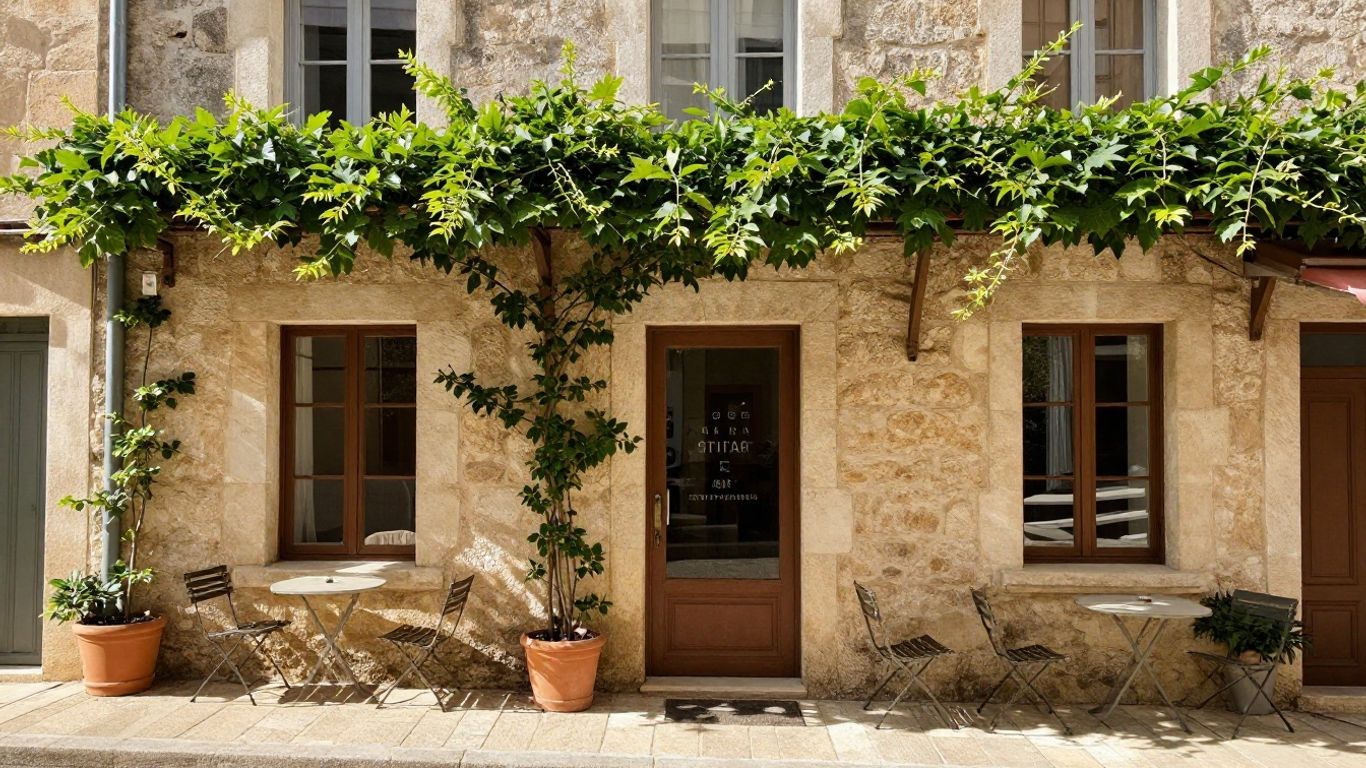
Comparing boutique stays, full-service hotels, and apartments
Boutique accommodation may appeal if you want a smaller-scale setting, while a full-service hotel may be more suitable if you value services available on site. An apartment can offer a different kind of independence, though you should check what is included and how arrival works. The right choice depends on how you plan to use the room between outings.
Make a short list of what would genuinely change your stay, such as a separate living area, reception hours, or a simpler arrival. Then compare only properties that meet those needs, so optional features do not distract from the basics.
Finding luxury options near the center
Luxury accommodation can mean different things from one traveler to another: a more spacious room, a particular setting, or services that make a longer stay more comfortable. Compare the specific room category and inclusions rather than relying on a general label. For central Aix, also check how the property’s setting fits your plans for walking and getting around.
A higher nightly rate is not automatically a better match if you will spend most of the day out. Decide which features matter enough to justify the price, then compare the location and booking terms along with them.
Balancing room size, amenities, and location
A central room may be convenient but smaller than a traveler expects, while a larger option may involve a less direct walk to the places on your itinerary. Consider how many people are sharing the room, how much time you will spend there, and whether stairs or luggage storage matter. A room’s written details are often more useful than a broad category name.
A simple comparison keeps the trade-offs visible without turning the search into a hunt for an all-purpose “best” hotel. Set a budget, identify one or two non-negotiable features, and assess the location against your daily plans.
Comparing the Old Town with Cours Mirabeau
The Old Town and Cours Mirabeau are both central choices, and the distance between them is generally manageable on foot. That makes your preference for street atmosphere, room access, and noise especially important. Compare the exact locations rather than treating either area as a single uniform block.
Typical walking distances between sights and hotel areas
Central Aix is well suited to walking, but the time it takes to reach a place depends on your precise starting point and route. Narrow lanes, turns, and the need to avoid a particular street can affect a walk more than a map suggests. Before booking, check a few routes you expect to use regularly, such as the walk from the hotel to a meal or a key sight.
If comparing city stays is part of a wider trip, the same district-first approach applies to Colmar’s Old Town and Petite Venise. In Aix, it can help you make a practical choice between a historic lane and a boulevard-side address without overvaluing a small difference in distance.
Where to stay for restaurants, markets, and nightlife
Either central area can work for visitors who want to explore on foot and enjoy meals in town. Your best fit depends on which streets you expect to return to and whether you would rather be close to a lively route or a calmer side street. Check the hotel’s immediate surroundings for the kind of evening atmosphere you prefer.
Markets and other daytime stops may shape your routine as much as dinner plans. Leave room in your itinerary to explore, but use the hotel’s address to understand how easily you can return when you need a break.
Which area works better for families or travelers with limited mobility
Families may value a location that makes it easy to return to the room, while travelers with limited mobility may need to prioritize step-free access, elevators, and a manageable route from vehicle drop-off. Neither neighborhood name can answer those questions on its own. Confirm the property’s specific access features directly and make sure they apply to the room you are booking.
For any traveler who prefers fewer stairs or a simpler arrival, it is sensible to request clear details before paying. A slightly different street or room category may matter more than being closest to a landmark.
Planning your hotel booking
Good booking decisions are mostly about checking details before they become arrival-day surprises. Consider the time of year, how you will reach the property, and what the rate actually includes. Discover France Beyond Paris is a travel resource for destination guidance and practical information about exploring France, and its advice can help frame those trip-planning questions.
When to reserve for summer and major events
Demand and prices can change with the season and with periods when more visitors are in town. If your dates are fixed, compare options early enough to have a choice of locations and room types, especially if you have specific access needs. Flexible travelers can compare a broader range of dates before deciding.
The key is to avoid assuming that a preferred room will remain available until the last moment. You can compare current hotel prices for Aix-en-Provence here and then check the rate conditions on the option you are considering.
Checking parking, transit, and arrival arrangements
Before you book, make sure you understand how you will get from your arrival point to the hotel entrance. Ask about parking availability and access rather than assuming that a central property has a convenient place to stop. Discover France Beyond Paris provides practical destination guidance for visitors exploring France, including the kinds of logistical questions worth settling before a trip.
A short arrival checklist can keep the details clear while you compare properties:
- Confirm whether parking is available and whether it requires advance booking.
- Ask where a taxi or other vehicle can drop you off.
- Check the walking route from the nearest transit stop or practical parking point.
- Verify check-in hours and how to contact the property if your arrival is delayed.
Once you have those answers, compare the likely arrival experience with the hotel’s location and the needs of your group. That can prevent an attractive central address from turning into a frustrating first hour.
Reviewing cancellation terms and room details before booking
Read the cancellation policy, payment schedule, and room description before confirming a reservation. Check whether the stated room features, bed arrangement, and access information match your needs; if something is unclear, ask the property rather than guessing. Discover France Beyond Paris offers destination and logistical information for France, while the final room and rate details should be confirmed with the hotel or booking provider.
Aix lodging is only one part of organizing a trip, and the site’s wider practical reading also includes Traffic Secrets, Brisbane aged-care IT guidance, freelance currency planning, and carpet selection advice. These subjects are separate from choosing an Aix hotel, but they are part of the broader library. For the reservation itself, keep the confirmation and any written replies about access or room arrangements together so you can refer to them later.
Conclusion
For most visitors, the choice between the Old Town and Cours Mirabeau comes down to the street atmosphere and practical details that matter most: access, noise, room setup, and arrival. Compare exact addresses and room information, then choose the base that best supports the way you want to spend your time in Aix.
Frequently Asked Questions
Is the Old Town a good area to stay in Aix-en-Provence?
It can be a good fit if you want historic streets and a central base for exploring on foot. Check the exact address, stairs, and vehicle access before booking.
Is it better to stay near Cours Mirabeau?
It may suit travelers who prefer a prominent central landmark and nearby shops and cafés. Ask about room orientation if you are concerned about street noise.
Can you explore Aix-en-Provence on foot?
The central areas are close enough for many visitors to explore on foot. Check your own routes and account for the exact location of your hotel and planned stops.
Should I book a hotel or an apartment in Aix?
Choose based on the space, services, and independence you need. Compare what is included and how check-in and arrival work before deciding.
Do Old Town hotels always have easy vehicle access?
No. Narrow streets can make vehicle access and drop-off less straightforward, so confirm the hotel’s arrival instructions and nearest practical stopping point.
What should I check before booking a room in Aix?
Review the room size and bed arrangement, access details, cancellation terms, payment schedule, and any parking or arrival information relevant to your trip.
When should I reserve accommodation in Aix-en-Provence?
If your travel dates are fixed, booking early gives you more time to compare locations and room types. Demand can vary by season and local events, so check options for your specific dates.