

The Ultimate Loire Valley Road Trip Route: Chateaux, Villages, and Vineyards

Key Takeaways
This Loire Valley road trip route map balances major châteaux with historic towns, villages, vineyards, and practical driving time.
- Start in Tours, Amboise, or Blois depending on your arrival point and priorities.
- Allow at least five days to combine famous estates with slower village visits.
- Book popular châteaux and cellar tours ahead during spring and summer.
- Use short regional drives to leave room for gardens, markets, and meals.
- Extend west toward Chinon and Saumur for fortresses, wine, and riverside scenery.
Loire Valley road trip route map and trip planning essentials
The Loire Valley is easiest to understand as a chain of connected bases rather than one single attraction district. Tours, Amboise, Blois, and Chinon each give access to a different mix of châteaux, villages, and vineyards. A car adds flexibility once you leave the larger towns, although the best route is usually the one with fewer daily stops. For broader orientation, this Loire Valley travel guide is a useful starting point before fixing your route.
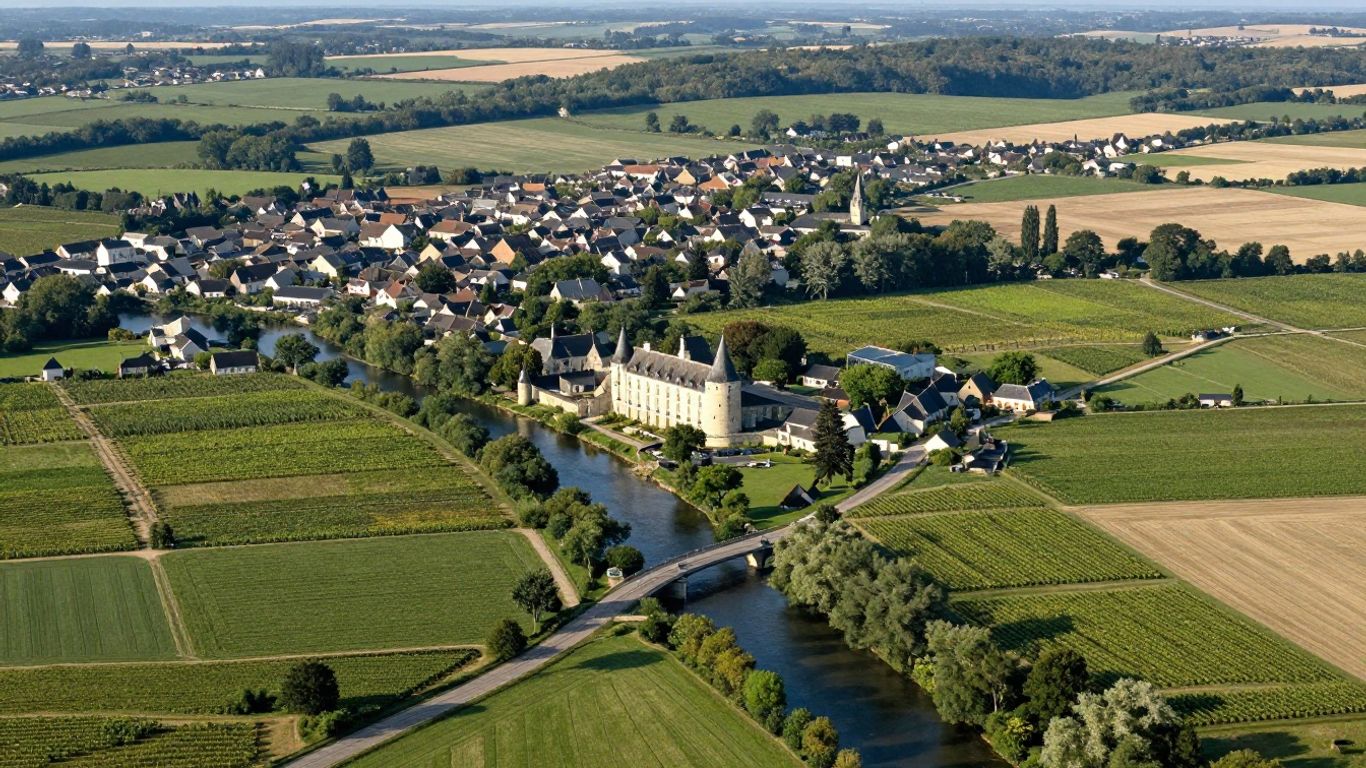
Choosing your starting point and direction
Tours is a practical eastern gateway, especially for travelers arriving by train from Paris, and it works well for Villandry, Amboise, and Chenonceau. Blois is a sensible alternative if Chambord and Cheverny are central to the trip. Travelers arriving from the west can begin around Saumur or Chinon and drive east, while those with limited time may prefer a loop from Tours rather than a one-way route.
The direction matters less than the overnight pattern. Avoid changing hotels every night if you want time for gardens, markets, and unplanned stops. A base near Amboise suits a first visit, while Blois gives quicker access to the large estates around the eastern end of the valley.
How many days to spend in the Loire Valley
Three days can cover one town and two or three châteaux, but it will feel tightly scheduled. Five days creates room for Tours, Amboise, Chenonceau, Chambord, and at least one village or vineyard. A full week is better for adding Chinon, Saumur, gardens, and slower meals without turning every morning into a departure day.
A useful rule is to plan one major château in the morning and one smaller sight or town in the afternoon. The estates are larger than their names on a map suggest, and driving between them involves local roads, parking, and walking from lots to entrances. The four-day Loire Valley itinerary offers another way to balance famous estates with villages and markets.
Best seasons for driving, sightseeing, and wine tasting
Late spring brings green landscapes and strong garden displays, while early fall combines comfortable driving weather with vineyard activity and fewer high-season crowds. July and August offer long days but usually require more advance planning at the best-known estates. Winter is quieter, though opening hours and restaurant choices can be more limited.
For a practical seasonal comparison, consider this simple guide:
| Season | Main advantage | Main planning issue |
|---|---|---|
| Late spring | Blooming gardens and mild weather | Popular weekends fill quickly |
| Summer | Long days and broad opening hours | Crowds and warmer afternoons |
| Early fall | Harvest atmosphere and softer light | Some cellar visits need booking |
| Winter | Quiet roads and lower demand | Shorter hours and seasonal closures |
The right season depends on whether gardens, wine, or quiet sightseeing matters most. Check each château and winery separately rather than assuming that regional opening patterns are identical.
Car rental, parking, tolls, and navigation tips
Collecting a rental car in Tours, Blois, or another regional gateway keeps the first transfer simple. Choose a compact vehicle for village lanes and older town centers, and check the rental agreement for insurance, fuel, and cross-border restrictions before leaving the lot. French motorways can make longer transfers faster, but the most attractive stretches are often on slower departmental roads.
Download offline maps and save the addresses of hotels, château entrances, and cellar doors. Some rural areas have weak mobile coverage, and a destination may have several parking areas or similarly named access roads. Keep coins or a payment card available for parking, follow local speed limits, and never assume that a short map distance means a short sightseeing transfer.
Days 1–2: Tours, Amboise, and the first Loire chateaux
The opening two days establish the rhythm of the trip: one historic center, one garden or château, and enough time to sit down for a proper meal. Tours works well as an arrival city, while Amboise offers a more compact base surrounded by major sights. These days are also a chance to adjust to French driving, opening hours, and the slower pace of rural travel.
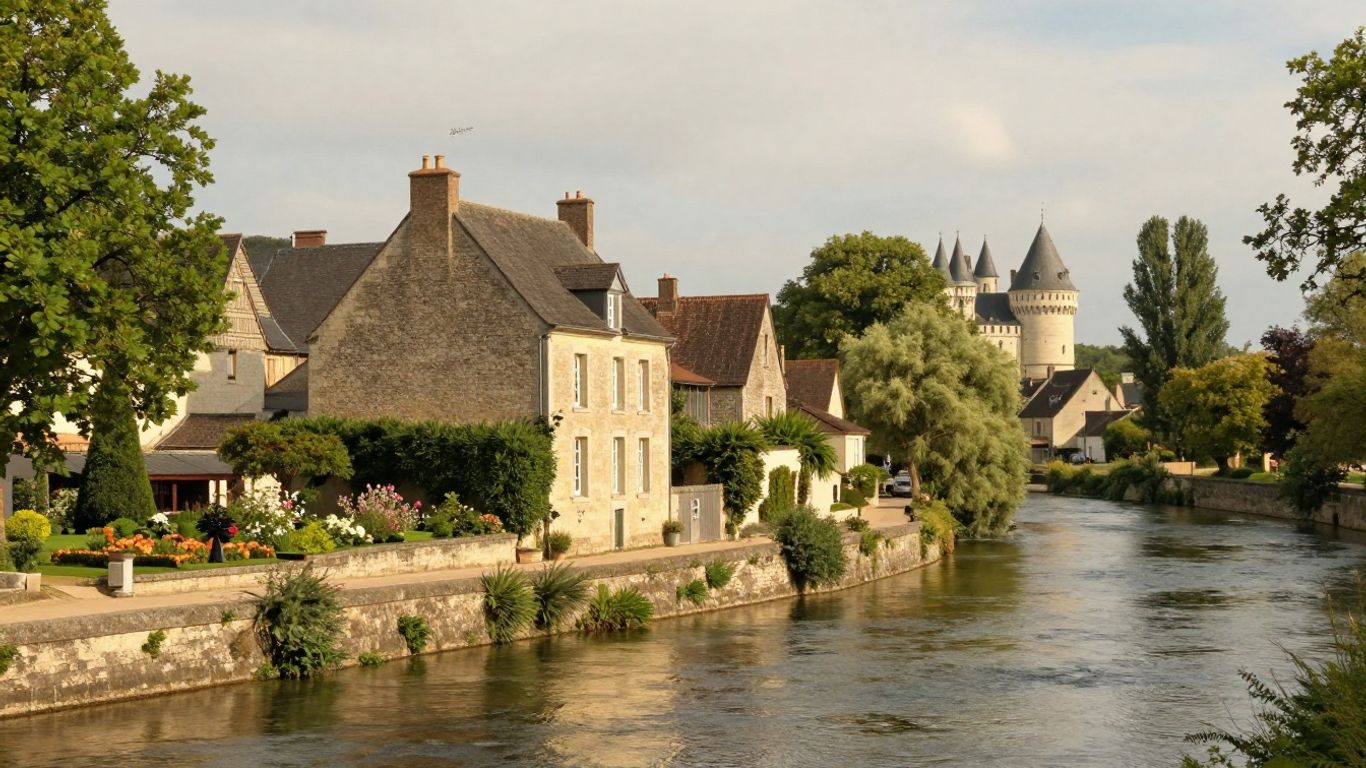
Exploring historic Tours before hitting the road
Begin in Tours with a walk through the old quarter around Place Plumereau, then continue toward the cathedral and the Loire-side streets. The city is large enough for museums, cafés, and practical services but compact enough to explore on foot for a first afternoon. If you arrive late, skip a formal sightseeing list and use the evening to settle into the region.
Tours is also a good place to collect supplies for the road. Pick up water, snacks, and a small picnic before heading toward the countryside, where shops may close during the middle of the day. A morning departure then becomes easier, particularly if Villandry or Amboise is on the schedule.
Visiting Château de Villandry and its formal gardens
Villandry is best approached as a garden visit as much as an interior visit. The formal designs unfold across distinct terraces, so allow time to walk rather than treating the grounds as a quick photo stop. Go early when possible, especially in warm weather, because the garden paths offer limited shade at midday.
Pair Villandry with a modest afternoon plan. You could return toward Tours, continue to Azay-le-Rideau, or drive on to Amboise, but adding several large estates after the gardens usually makes the day feel rushed. The châteaux guide can help compare Villandry with other estates before you decide which interiors deserve your limited time.
Seeing Château Royal d’Amboise and Clos Lucé
Château Royal d’Amboise occupies a prominent position above the town, with views that make the approach part of the visit. Its terraces and royal history reward an unhurried walk, while the nearby Clos Lucé offers a different perspective through Leonardo da Vinci’s final home and its surrounding grounds. Visiting both works well because they are close enough to connect on foot.
Leave time for Amboise itself after the sites close. The streets near the river are convenient for a short stroll and dinner, and staying nearby avoids a late rural drive. If the day begins in Tours, plan parking before arrival rather than circling the center at the busiest hour.
Where to stay between Tours and Amboise
A stay in central Amboise is convenient for restaurants, evening walks, and early departures to Chenonceau. Countryside lodging between Tours and Amboise can be quieter and may provide parking, but it requires more attention to dinner hours and check-in arrangements. Tours remains the better choice for travelers who prefer rail connections, city services, or several restaurant options within walking distance.
Choose the base that reduces tomorrow’s driving rather than the one that sounds closest to every attraction. The Loire Valley accommodation guide is useful for comparing town bases, countryside stays, and château hotels by travel style.
Days 3–4: Chenonceau, Chambord, and the grand estates
The middle of the route focuses on the Loire Valley’s most recognizable estates. Chenonceau and Chambord are visually very different, so seeing both provides variety rather than repetition. They are also substantial visits, which makes it sensible to limit the number of additional châteaux on these days.
Touring Château de Chenonceau at the best time of day
Chenonceau is usually most comfortable early in the day, before tour groups and coach arrivals make the rooms and bridges feel crowded. The château extends across the Cher River, and its setting is as memorable as the rooms inside. Walk through the gardens after touring the interior, then pause before driving onward.
Allow more time than the building’s compact appearance suggests. Queues, garden paths, and parking can expand the visit, particularly in summer. If photography matters, late afternoon can produce attractive light, but the quieter experience generally comes from arriving close to opening.
Building a route around Château de Chambord
Chambord needs its own block of time because the grounds are expansive and the architecture is best appreciated from several angles. Start with the interior and central staircase, then walk or cycle a short section of the surrounding estate if energy and weather allow. Its scale makes it a poor choice for a rushed stop between several other major attractions.
Use Chambord as the anchor for an eastern loop. From Amboise or Blois, it can be combined with a smaller town or a relaxed lunch, but stacking it with Chenonceau on the same day leaves little room for delays. Check parking arrangements and entry times before setting out.
Adding Château de Cheverny or Château de Blois
Cheverny offers a more intimate visit than Chambord, with a furnished interior and a different family history. Blois, by contrast, combines a château with an active historic town, making it a useful choice when you want architecture without another long rural transfer. Either can fill a half-day, depending on whether you spend more time inside or exploring nearby streets.
Pick one based on the shape of your day. Cheverny fits naturally with other eastern estates, while Blois is especially convenient for an overnight stay, train connection, or evening meal. A route with fewer major interiors often feels richer than one built around collecting entrance tickets.
Managing crowds, tickets, and realistic driving times
Reserve timed entries where they are offered, but do not create a schedule with no margin. Parking, security checks, lunch breaks, and slow traffic near popular sites all take time. A practical day normally includes one major château, one secondary stop, and a meal that is not eaten in the car.
Before leaving each morning, confirm the following details:
- Opening hours and any timed-entry requirement
- Parking location and walking distance to the entrance
- Estimated drive time with rural roads selected
- Lunch options and the next fuel opportunity
This short check prevents small omissions from turning into an expensive detour. It also leaves room to change the order when weather or crowds make the original plan less appealing.
Days 5–6: Loire Valley villages and riverside scenery
The later part of the trip should become less architectural and more local. Small villages, riverside roads, markets, and long lunches reveal a quieter side of the valley that a château-only itinerary can miss. Keep these days flexible, since the best stop may be a village café, a viewpoint, or a market discovered along the way.
Wandering the streets of Montrésor and Crissay-sur-Manse
Montrésor is suited to a gentle walk around its castle, lanes, and river setting, while Crissay-sur-Manse has the compact stone architecture and rural atmosphere associated with a slower village stop. Neither requires a packed schedule. Park outside the tightest lanes, wear comfortable shoes, and let the visit unfold on foot.
These villages work best between larger destinations rather than as hurried detours from one famous château to another. A morning visit can lead into lunch in the surrounding countryside, followed by a scenic drive toward the next overnight base.
Exploring Blois, Chinon, or Chédigny
Blois is the most urban option, with a lively center and a château that can anchor a half-day. Chinon brings a medieval fortress and a more western landscape, while Chédigny is known for its village gardens and floral streets. Choose according to the route rather than trying to fit all three into one afternoon.
If you have already visited several grand estates, Chinon or Chédigny can restore balance to the itinerary. Blois is more useful when you need transport connections, shopping, or a broad choice of restaurants. Each stop changes the character of the trip without requiring a long excursion.
Finding scenic roads, markets, and local restaurants
The most enjoyable drives are often the ones chosen for their setting rather than their speed. Follow smaller roads along the river when the weather is good, and look for weekly markets in the towns where you plan to spend the night. Markets are practical as well as atmospheric: they provide fruit, bread, cheese, and picnic ingredients for days when restaurant hours do not align with your route.
Ask accommodation hosts about market days and nearby restaurants, since opening schedules vary by season. A little local advice can save a long evening drive and lead you toward a meal that suits the pace of the day.
Choosing charming villages for overnight stops
An overnight village should offer more than attractive façades. Check whether it has a restaurant open on your arrival night, convenient parking, and a realistic distance from the next morning’s destination. In smaller places, reception hours may be limited, so confirm access instructions before setting off.
Choose one or two village nights rather than moving constantly. The Loire Valley cycling routes also provide ideas for quieter landscapes and manageable stretches that can be adapted into short walks or scenic drives, even if you are not cycling the full route.
Loire Valley vineyards and food experiences
Wine is woven into the geography of the Loire Valley, but tasting stops need to be planned with the same care as château visits. The regions change as you travel, and cellar doors may operate by appointment rather than on a casual walk-in basis. Combine one or two tastings with a meal instead of trying to sample every appellation in a single day.
Understanding the main Loire wine regions
Vouvray and nearby Montlouis-sur-Loire are associated with Chenin Blanc in several styles, while Saumur is known for sparkling wines as well as Cabernet Franc. Chinon and Bourgueil are useful western stops for red wines, and Touraine offers further variety closer to Tours and Amboise. The Loire wine regions guide gives a helpful overview for matching areas to grape varieties and tasting preferences.
The landscape changes with the wine as well. Vineyards, limestone villages, and cellar entrances cut into the rock are common around several western districts, while the eastern route offers easy combinations of wine, gardens, and château visits. Choose a small geographic cluster rather than chasing a particular bottle across the valley.
Planning tastings in Vouvray, Saumur, Chinon, and Bourgueil
Build tasting appointments around your overnight stops. Vouvray fits naturally near Tours or Amboise, Saumur pairs well with a western extension, and Chinon and Bourgueil work best when you are already traveling west. Leave enough time to find the cellar, park, and complete the visit without watching the clock.
A tasting can be as simple as a guided cellar visit followed by a small flight, or it may include a longer conversation about soils, vintages, and local production. Ask about the format when booking so expectations match the available time.
Booking cellar visits and choosing a designated driver
Many smaller producers prefer advance reservations, especially during harvest periods and weekends. Send a clear message with your preferred time, party size, language needs, and whether you want a cellar tour. Keep the day to one or two visits, and appoint a driver before the first tasting rather than making the decision afterward.
Do not treat tasting rooms as a substitute for lunch or water breaks. Eat beforehand, pace the visits, and use the opportunity to buy a bottle for later rather than feeling obliged to sample every pour offered.
Pairing local wines with goat cheese, rillettes, and regional cuisine
Loire wines are natural companions to local food, from goat cheese and rillettes to river fish, seasonal vegetables, and simple country dishes. Ask a restaurant for a regional pairing rather than ordering by grape variety alone. The answer may depend on the sauce, preparation, and whether the wine is dry, sweet, sparkling, or red.
Keep meals flexible around vineyard visits. A market picnic can be the right choice after a morning cellar tour, while a longer dinner belongs on an evening when the car is parked and the next morning is unhurried.
Extending the route to Chinon and Saumur
Chinon and Saumur add a western dimension to a route centered on Amboise, Chenonceau, and Chambord. The distances are manageable over several days, but the character shifts from Renaissance estates toward fortresses, cave cellars, and broader river landscapes. This extension is most rewarding when treated as a new chapter rather than a quick add-on.
Following the road from Amboise toward Chinon
From Amboise, the route toward Chinon can pass through vineyard country, smaller towns, and river scenery before reaching the fortress town. Allow extra time for local roads and unplanned stops, particularly if you are visiting a cellar along the way. A direct drive is useful only when you have a fixed appointment or limited daylight.
Consider stopping at a market or garden before continuing west. The route feels more varied when the journey itself has a purpose, rather than becoming a long transfer between two hotel bookings.
Visiting the medieval fortress and old town of Chinon
Chinon’s fortress rises above the old town and the Vienne River, giving the visit a strong sense of place. Explore the medieval streets below after touring the upper complex, when the cooler lanes and riverside views provide a change of pace. Comfortable footwear matters because the town includes slopes, old paving, and uneven surfaces.
Chinon is also a practical base for western wine country. Staying overnight lets you enjoy dinner in town and reach nearby vineyards without repeating a long eastern drive.
Exploring Saumur, its château, and sparkling wine cellars
Saumur combines a hilltop château, a handsome town center, and access to sparkling wine producers. The château provides a visual introduction to the town’s geography, while cellar visits explain how the region’s limestone landscape shapes production and storage. Plan the town walk separately from the tasting so neither feels squeezed.
Saumur can serve as either the final western base or a bridge toward Angers and the Atlantic side of France. Its train connections and road access also make it practical for travelers who do not want to retrace the entire route.
Deciding whether to return to Tours or continue west
Return to Tours if your departure is tied to a train, a flight connection, or a rental-car return there. Continue west if you have several more days and want to explore Angers or the broader Anjou wine area. The choice should be made from your transport plan first, then adjusted around the experiences you most want.
A one-way rental can save backtracking, but it may involve a different drop-off fee and limited vehicle availability. Confirm those conditions before committing to a westbound route.
Practical itineraries and route adjustments
There is no single correct Loire Valley schedule. The best version reflects your arrival time, driving confidence, interests, and tolerance for changing hotels. Use the following outlines as frameworks, then remove stops rather than adding too many when the days begin to feel crowded.
A compact three-day Loire Valley road trip
Base yourself in Tours or Amboise and concentrate on Villandry, Amboise, Chenonceau, and one eastern estate such as Chambord or Blois. Keep the first afternoon light if you have traveled from Paris, and reserve the final day for a route that finishes close to your departure point. This version delivers the essential château experience but leaves little room for distant villages or several tastings.
The key is to select two major estates and one town, not to treat every nearby attraction as mandatory. A focused route will feel more complete than a long list of rushed entrances.
A relaxed five-day chateau and vineyard itinerary
Spend the first two nights around Tours or Amboise, then move toward Blois or the western side of the valley. Combine Villandry and Amboise early, Chenonceau and Chambord in the middle, and reserve a later day for a vineyard, market, or village. This is enough time to include major sights while keeping most drives comfortably short.
Book the most popular château and at least one cellar visit before arrival. Leave the remaining afternoons open for weather changes, garden walks, and meals that run longer than expected.
A seven-day route for villages, gardens, and wine
A week supports a loop through Tours, Amboise, Blois, Chinon, and Saumur, with overnight stays chosen to avoid backtracking. Add Villandry, Chenonceau, Chambord, and one or two smaller estates, then use the western days for villages and wine. The extra time is valuable because it turns transfers into scenic sections rather than obligations.
A sample rhythm might look like this:
- Days 1–2: Tours, Villandry, Amboise, and Clos Lucé
- Days 3–4: Chenonceau, Chambord, Blois, or Cheverny
- Days 5–6: Chinon, Bourgueil, Saumur, and village roads
- Day 7: A final market, garden, or return transfer
This structure still allows substitutions. If rain affects a garden visit, use a town or château interior; if a tasting is unavailable, replace it with a market and reschedule the cellar for the next day.
How to adapt the trip for families, couples, and slower travel
Families usually benefit from shorter drives, outdoor space, and one major attraction per day. Couples may prefer a smaller number of estates with more time for dinners and vineyard visits. Slower travelers should choose two bases, reduce hotel changes, and protect unplanned mornings.
The family château guide offers ideas for combining historic sites with open space and manageable activities. Whatever your travel style, keep one flexible block in the itinerary so the route can respond to weather, energy, and the discoveries that make a road trip memorable.
Conclusion
A Loire Valley road trip works best when the map is treated as a guide rather than a challenge to cover every marked attraction. Begin with a practical base, choose a few châteaux that genuinely interest you, and leave room for villages, wine, markets, and ordinary roads between the famous stops. That balance turns a busy sightseeing plan into a more comfortable journey through one of France’s most varied regions.
Frequently Asked Questions
What is the best starting point for a Loire Valley road trip?
Tours, Amboise, and Blois are the most practical starting points for the central château area. Choose based on your arrival transport and whether your first priorities are western or eastern estates.
How many days are ideal for the Loire Valley?
Five days is a useful minimum for combining major châteaux, towns, and a vineyard visit without rushing. Seven days allows more villages, gardens, and western destinations such as Chinon and Saumur.
Do I need a car in the Loire Valley?
A car is helpful for rural châteaux, vineyards, and villages that are not close to train stations. Travelers without a car can base themselves in Tours or Amboise and use trains, buses, taxis, or organized excursions for selected day trips.
When is the best time to visit the Loire Valley?
Late spring and early fall usually offer a good balance of comfortable weather, gardens, and manageable crowds. Summer has longer days but needs more advance booking, while winter is quieter and may have reduced opening hours.
Which Loire Valley châteaux should I prioritize?
Chenonceau, Chambord, Villandry, Amboise, and Blois are strong choices for a first visit, but the best selection depends on your interests. Choose fewer estates if you want time for gardens, villages, and meals.
Can I visit Loire Valley vineyards without booking?
Some tasting rooms accept walk-ins, but many smaller producers prefer or require appointments. Booking ahead is especially sensible on weekends, during harvest, and when you need a visit in a particular language.
Is the Loire Valley suitable for a family road trip?
Yes, provided the itinerary includes shorter drives, outdoor space, breaks, and a limited number of formal interiors each day. Villages, gardens, cycling, and riverside activities can balance château visits for younger travelers.


