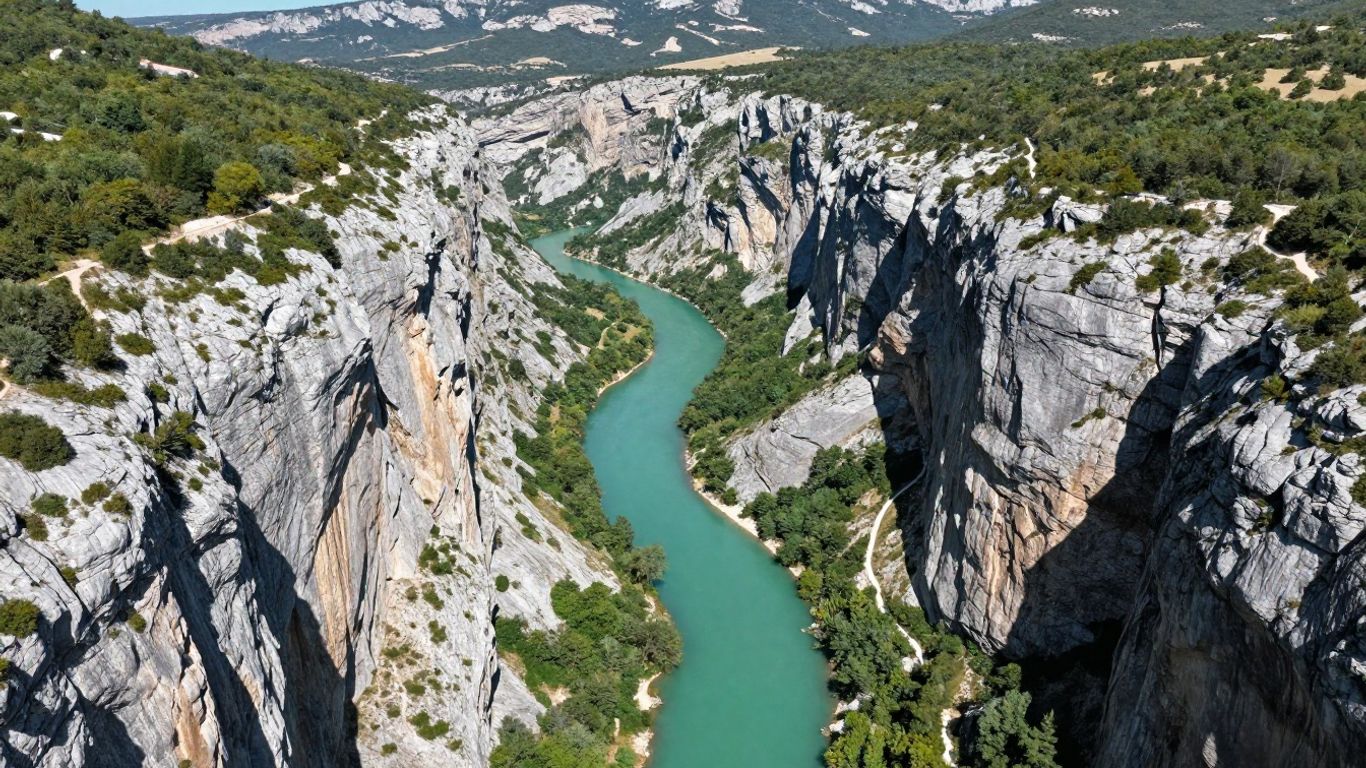

Aigues-Mortes and the Camargue: A Medieval Walled Town Meets the Wild Delta

Key Takeaways
An Aigues-Mortes and Camargue day trip works best when history, salt marshes, and wildlife are planned as one connected visit.
- Walk the medieval center and fortified ramparts before the hottest part of the day.
- Allow several hours for the town, salt flats, and one nature-based activity.
- Spring and autumn generally offer comfortable conditions for walking and wildlife watching.
- Choose a boat, bicycle, horseback, or 4×4 outing according to your time and interests.
- Protect the wetlands by keeping to marked routes and observing wildlife from a distance.
Plan the perfect Aigues-Mortes Camargue day trip
A successful aigues mortes camargue day trip balances a compact historic center with a broad, open wetland region. The town is easy to explore on foot, but the surrounding Camargue requires more deliberate transport planning. Check attraction schedules and activity times before leaving, especially outside the main summer season.
Choose the best season for historic sights, wildlife, and weather
Spring and autumn are often the most comfortable periods for a full day of walking, with milder temperatures and useful opportunities for birdwatching. Summer brings long days and lively streets, but the ramparts and salt flats can feel intensely hot in the afternoon. Winter is quieter and can be atmospheric, although some tours and seasonal services operate less frequently.
Wildlife sightings are never guaranteed, and conditions vary by habitat and weather. For broader planning, this Camargue travel guide is a useful starting point when deciding whether to include the delta beyond Aigues-Mortes.
Allow enough time for the town and surrounding wetlands
Give the walled town at least a morning, including time for the ramparts, central streets, and a museum or church visit. The salt flats and marshes lie outside the historic core, so allow for the journey between them rather than treating the area as one walkable attraction. A relaxed day usually includes one major nature activity, not several separate excursions.
If you want to visit the saltworks, take a boat, and search several wetlands for birds, a second day will provide a better pace. A two-day plan can also include the Camargue two-day itinerary without compressing every stop into a short visit.
Decide whether to visit independently or with a guided tour
Independent travel suits visitors who want to set their own walking pace and spend longer in the town. A guided outing can be more efficient for the marshes, where local knowledge helps with routes, access restrictions, and seasonal wildlife behavior. It is also practical if you are traveling without a car or prefer not to organize several rural connections.
Before booking, check the meeting point, duration, language, weather policy, and whether transport is included. A tour should add context and convenience rather than force you into more stops than the day can comfortably hold.
Build the day around opening hours, markets, and seasonal activities
Start with the attractions that have fixed opening hours, then leave flexible time for wandering and photography. Markets, exhibitions, and guided activities may change by day or season, so confirm details locally instead of relying on an old timetable. In summer, an early start avoids the strongest heat and the busiest arrival period.
A simple order is historic center first, ramparts next, lunch afterward, and a salt or wildlife activity in the afternoon. Keep a little room for delays; rural roads, parking, and tour departure times can make a tightly timed plan frustrating.
Discover the medieval character of Aigues-Mortes
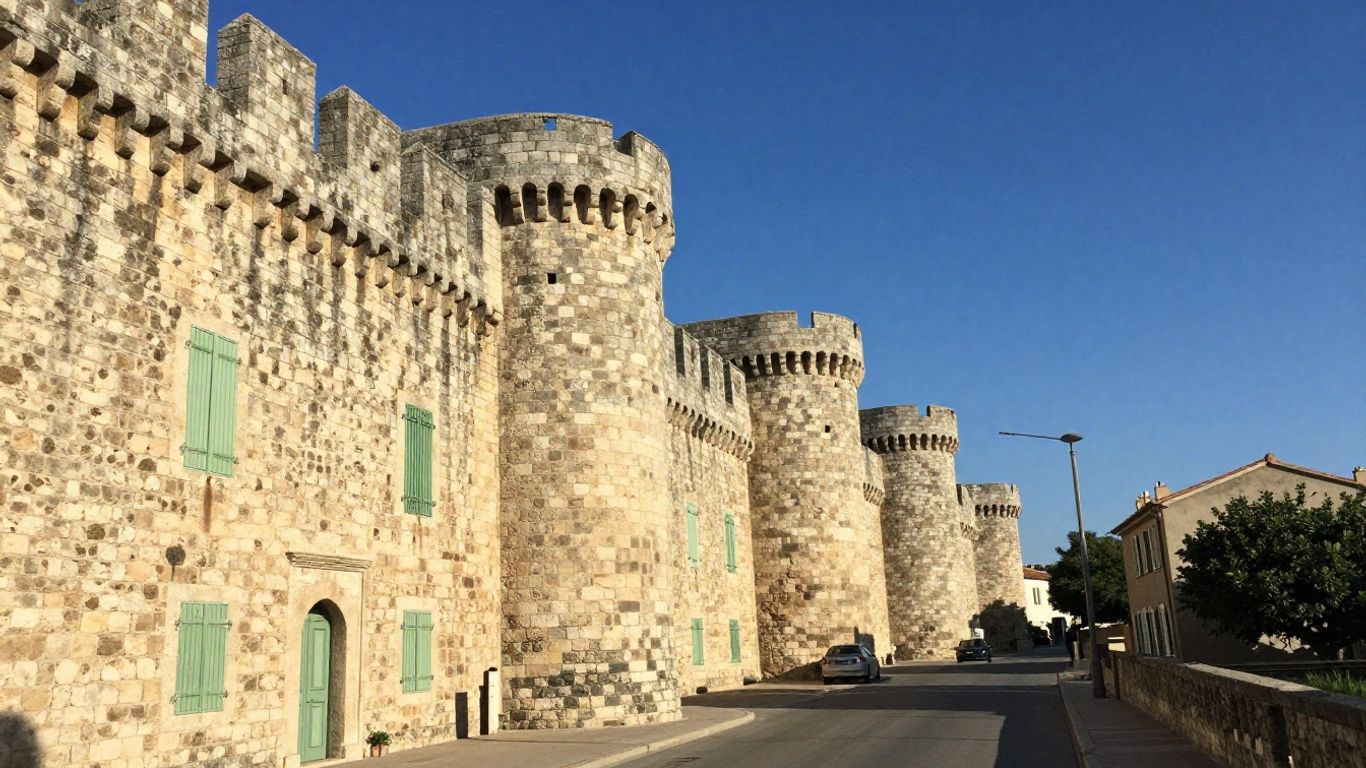
Aigues-Mortes has a strong sense of enclosure: pale stone walls surround narrow streets, while the flat Camargue stretches beyond them. Its medieval form is not merely decorative; the town was built around royal power, trade, and access to the Mediterranean. Begin by walking through the gates, then let the streets lead you toward the central square and historic buildings.
Understand the town’s role as a royal port and crusade departure point
King Louis IX, known as Saint Louis, developed Aigues-Mortes as a royal port in the 13th century. It became associated with French access to the Mediterranean and with crusading expeditions, including the departures of Louis IX. Although the shoreline has changed and the town is now surrounded by land, its walls still convey the strategic importance of the settlement.
The history becomes easier to understand when viewed from both inside and outside the fortifications. The Aigues-Mortes history guide provides useful background before you arrive, particularly if you want context for the ramparts and Constance Tower.
Walk beneath the fortified walls and through the original gates
Enter through one of the historic gates and pause to study the thickness of the masonry and the defensive layout. The gates connect the town to roads that once carried soldiers, merchants, and supplies. Walking around the exterior also gives you a clearer impression of the walls’ scale than moving only through the interior streets.
Take your time at the corners and towers, where the regular geometry of the fortifications is especially apparent. This is a good place to begin because it establishes the town’s structure before you explore its smaller details.
Explore the central streets around Place Saint-Louis
Place Saint-Louis forms the social center of the old town, with cafés, restaurants, and the statue of the town’s royal namesake. From here, side streets lead to craft workshops, small shops, and shaded corners that reward an unhurried walk. The compact layout makes it easy to return to the square when you need a break.
Look above storefronts for old façades and architectural details, but also remember that this is a living town rather than an open-air museum. Morning is generally calmer for close observation, while the square becomes more active as the day progresses.
Visit the Church of Notre-Dame des Sablons and local museums
The Church of Notre-Dame des Sablons is a central landmark with a long connection to the town’s medieval history. Local museums and exhibitions add detail about trade, regional customs, and the people who shaped life around the walls. Their value is greatest after an exterior walk, when the displays can answer questions raised by what you have already seen.
Check opening times before making a museum the centerpiece of your schedule. Even a brief interior visit can provide a welcome pause from sun and heat, particularly during a summer afternoon.
Walk the ramparts for the best views
The ramparts offer the clearest overview of Aigues-Mortes and its setting. From the elevated path, the town’s orderly streets contrast with salt ponds, reed-filled marshes, and open horizons. The walk is a paid or scheduled attraction in many seasons, so confirm access before arriving and allow time for stairs.
Compare the wall walk with street-level exploration
Street level reveals texture: worn stone, doorways, courtyards, and the changing rhythm of the central streets. The ramparts provide scale, showing how the settlement sits as a distinct geometric island within an exceptionally flat region. Doing both is worthwhile because neither perspective replaces the other.
If time is limited, prioritize the ramparts when visibility is good and the weather is manageable. You can still see much of the town from the streets, but the wide views are unique to the elevated route.
Look for views across the rooftops, salt flats, and marshes
Look outward from the towers and corners for the contrast between terracotta roofs and the pale, reflective salt landscape. On clear days, the horizon opens toward lagoons, agricultural land, and distant coastal areas. The colors change with cloud, season, and water levels, so the same view may look different later in the day.
Bring binoculars if you enjoy birdwatching, but keep expectations measured from the walls. The ramparts are an overview point, not a substitute for a quiet observation area within the wetlands.
Prepare for sun exposure, stairs, and uneven medieval surfaces
The wall walk has exposed sections with little shade, and its historic surfaces may include steps and uneven paving. Wear stable shoes, carry water, and use sun protection even when the temperature initially feels comfortable. Visitors with mobility concerns should ask about current access conditions before purchasing tickets.
A slower pace is sensible near stairs and narrow passages. Comfort matters more than speed here, since rushing reduces both safety and the opportunity to notice the surrounding landscape.
Choose the best time of day for photographs
Early morning gives softer light, cooler temperatures, and fewer people on the streets. Late afternoon can bring warm tones across the stone and salt ponds, although the position of the sun may put parts of the town in shadow. Midday is often the least comfortable time for a long exposed walk.
Take photographs from several angles rather than stopping only at the most obvious tower. Include the roofs, walls, and distant wetlands in the same frame to show how closely the medieval town and delta belong together.
Experience the landscapes of the Camargue
Outside the walls, the Camargue is defined by water, salt, wind, and low horizons. Its habitats are not interchangeable: shallow lagoons, freshwater marshes, reed beds, and cultivated fields support different plants and animals. Travel slowly and observe the landscape as a working environment as well as a wildlife destination.
See how salt production shapes the landscape around Aigues-Mortes
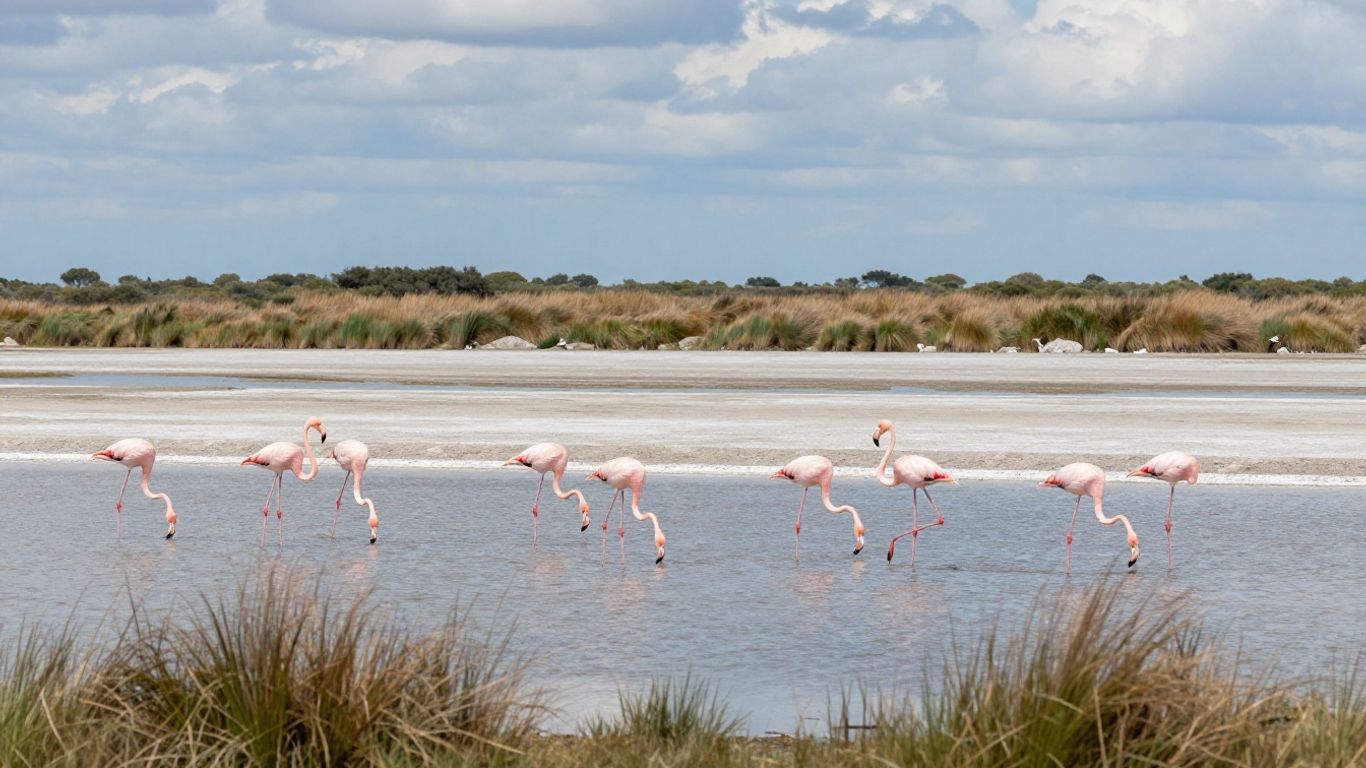
Salt production has created a distinctive pattern of broad ponds, raised paths, and changing colors around Aigues-Mortes. Evaporation concentrates the salt as water moves through the ponds, while algae and other natural processes can give some basins pink or rose tones. The appearance varies with season, weather, and the stage of production.
Visit only through permitted routes or organized access, since many areas are working or environmentally sensitive. The geometry of the ponds is best appreciated from an elevated viewpoint, a designated tour, or a carefully chosen cycling route.
Look for flamingos, white horses, and Camargue bulls
Flamingos are among the region’s most recognizable birds, while the white horses and black bulls are closely associated with local ranching traditions. Animals may be visible from roads and trails, but their presence changes with water, food, disturbance, and time of day. A quiet approach and a long lens are more useful than trying to get close.
Do not feed wildlife or enter private ranches and fields. For a deeper understanding of guided wildlife viewing, read about Camargue nature tours, including why restricted access can benefit fragile habitats.
Distinguish wetlands, lagoons, reed beds, and rice fields
Saltwater lagoons are shallow bodies influenced by the Mediterranean, while marshes may hold fresher or mixed water. Reed beds provide dense cover for birds and other wildlife, and rice fields form part of the region’s cultivated landscape. Recognizing these differences makes a drive or walk more informative, even when animals are not immediately visible.
The delta is a managed environment, shaped by channels, dikes, farming, grazing, and water control. That mixture of natural processes and human work is central to understanding the Camargue.
Learn when wildlife is most active and visible
Birds are usually easier to spot during cooler parts of the day, especially early morning and late afternoon. Wind, heat, glare, and human activity can make animals less visible around midday. Spring migration and changing water levels may bring rewarding sightings, but no season guarantees a particular species.
Stay on marked paths and avoid sudden movement near feeding or nesting areas. If you join a guided outing, listen to local instructions about distance, silence, and temporary closures.
Choose ways to explore beyond the town walls
The best activity depends on how much time you have and how directly you want to experience the landscape. Some options provide interpretation and transport, while others offer a slower, quieter connection with the flat rural roads. Choose one substantial outing rather than collecting brief stops that leave little time for the town.
Visit the Salin d’Aigues-Mortes and its pink-tinged salt ponds
The Salin d’Aigues-Mortes is one of the most recognizable excursions from the town, with expansive ponds, working salt landscapes, and elevated views. Depending on the season and conditions, the water may show pale pink or stronger rose shades. Tours and access arrangements can vary, so check the current options before setting out.
Allow extra time for the journey and for walking in exposed areas. A visit is especially rewarding when you are curious about how production, water movement, and wildlife overlap rather than treating the ponds as only a photographic stop.
Take a boat trip through the canals and marshes
A boat trip can reveal narrow channels, reed margins, and wetland views that are difficult to reach by road. It is a practical choice for visitors who want interpretation without a long hike or cycle ride. Confirm the departure location and return time, since not every service leaves directly from the historic center.
Bring a hat and a light layer, as open water can feel breezy even on a warm day. Boat travel also works well after a morning spent walking, when a seated period is welcome.
Explore by bicycle along flat roads and rural paths
The mostly level terrain makes cycling an appealing way to connect Aigues-Mortes with salt ponds, canals, and nearby rural scenery. Use a map that distinguishes public roads from private tracks, and ask locally about current conditions. Wind can be a bigger challenge than hills, particularly on exposed routes.
Plan water stops before leaving the town and avoid assuming that every rural road has services. Cyclists who want a longer regional route can also consult this Camargue cycling guide for ideas about combining landscapes and historic sites.
Join a horseback ride or a 4×4 wildlife excursion
Horseback rides offer a traditional way to move through marshes and open countryside, while 4×4 excursions can cover more ground and reach habitats that are impractical on foot. Select an operator that explains animal welfare, group size, route restrictions, and weather arrangements. Beginners should confirm the riding level and duration in advance.
These activities are best booked ahead during busy periods. They also suit different priorities: horseback riding is slower and immersive, while a 4×4 outing may be more efficient for broad wildlife observation.
Build a practical one-day itinerary
A one-day plan should have a clear backbone but enough flexibility for weather, queues, and an unplanned café stop. Keep the historic center and ramparts together, then move outward for one Camargue experience. The schedule below is a framework rather than a promise of exact travel times.
Start with a morning walk through the historic center
Arrive early enough to enter through the gates before the streets become crowded. Walk around Place Saint-Louis, visit one interior attraction, and take a short detour along quieter lanes. This first circuit helps you understand the town before spending time above it on the walls.
Reserve a little time for coffee or a bakery stop. A calm beginning is more useful than trying to complete every museum before the first major activity.
Schedule the ramparts and salt flats before the midday heat
If the ramparts are open, visit them during the cooler part of the morning and carry water for the exposed sections. Depending on your transport and the attraction schedule, the salt flats can follow immediately or be reserved for late afternoon. Avoid placing both long outdoor walks at the hottest point of the day.
Use the following outline when choosing what must be booked first:
| Activity | Typical time to allow | Planning priority | Best fit |
|---|---|---|---|
| Historic center | 1.5–2 hours | Flexible | First-time visitors |
| Ramparts | 1–1.5 hours | Check opening hours | Views and history |
| Salt flats | 2–3 hours | Reserve or verify access | Landscapes and photography |
| Boat or wildlife tour | 1.5–3 hours | Book departure time | Guided nature experience |
This structure leaves room for travel between sites and prevents the itinerary from becoming a sequence of rushed photo stops. If the weather turns hot or windy, shorten the exposed walking and keep the indoor visit for the middle of the day.
Add a Camargue activity without making the day feel rushed
Choose one principal activity after comparing its departure time with your return route. A saltworks visit is convenient for a first trip, while a boat or wildlife tour may provide more interpretation. Cycling and horseback riding need additional attention to equipment, duration, and the distance from the town.
Do not add a second major excursion simply because it appears nearby on a map. Flat terrain can be deceptive: roads, access tracks, and waiting times often make the region larger in practice than it looks.
Plan lunch around regional specialties and outdoor dining
Have lunch in or near the historic center so you do not lose time returning from a distant activity. Look for regional dishes, seafood, seasonal produce, and locally made products, while remembering that menus and opening days vary. Outdoor tables are pleasant, but shade is worth prioritizing in warm weather.
A longer lunch can be part of the experience rather than a scheduling problem. If an afternoon tour has a fixed departure, however, book or confirm a table and allow time to reach the meeting point.
Leave time for shopping, viewpoints, and an evening departure
Keep the final hour flexible for local crafts, food gifts, or one last walk beneath the walls. Visitors driving should return to the parking area before the busiest departure period, while rail and tour users need to protect their connection time. Sunset light can be attractive, but only stay late if your onward transport is reliable.
A modest final plan is often the most enjoyable: one viewpoint, one shop, and a comfortable departure. The town is compact enough that you can revisit a favorite street without adding another formal stop.
Handle transport, accessibility, and responsible travel
Aigues-Mortes is straightforward to reach, but the wider Camargue is spread across roads, waterways, and protected habitats. Transport choices shape what you can realistically see in one day. Check current timetables, parking rules, and activity access before traveling, especially in July and August.
Reach Aigues-Mortes from Montpellier, Nîmes, Arles, or the coast
From Montpellier or Nîmes, compare rail and road options based on your planned arrival time and whether you will continue into the wetlands. Arles is a useful eastern gateway to other parts of the Camargue, while coastal bases such as Le Grau-du-Roi may be convenient for combining the town with the sea. The best route depends on which side of the delta you plan to explore.
For a practical overview of regional connections, consult this guide to reaching the Camargue. It helps clarify why one arrival point may suit a town visit while another works better for wildlife or beaches.
Compare driving, rail connections, cycling, and local tours
Driving offers the greatest flexibility for combining Aigues-Mortes with salt flats and rural viewpoints. Rail can work well for the historic center, but the final connection to a nature activity may require a taxi, bus, bicycle, or organized tour. Cycling is rewarding in good weather, although wind and distance should be taken seriously.
Local tours reduce the need to coordinate several transfers and can make the wetlands accessible without a private vehicle. Whichever option you choose, match the transport method to the one activity you most want to complete.
Find parking and navigate busy summer arrival periods
Parking is generally located outside the historic core, which is helpful because the walled center is best explored on foot. Arrive early in summer, follow local signs, and avoid assuming that a convenient-looking space is permitted. From the car parks, carry only what you need for the walking portion of the day.
Traffic and queues can affect both entry and return journeys. Build a buffer before any booked tour, and consider visiting the town early if your schedule includes a fixed afternoon departure.
Respect wildlife, private land, and protected wetland habitats
Remain on marked trails and public roads, keep dogs controlled where permitted, and never cross fences or enter ranches without authorization. Do not approach horses, bulls, or nesting birds, even when they appear accustomed to people. Quiet observation protects wildlife and usually produces better sightings than pursuit.
The Camargue coast guide also offers useful reminders about limited facilities, changing conditions, and responsible movement through fragile coastal environments. Treat salt ponds, marshes, and dunes as working or protected spaces rather than unrestricted scenery.
Pack essentials for heat, insects, walking, and changing weather
Pack water, a hat, sunscreen, comfortable shoes, insect repellent, and a light layer for wind or sudden changes. Binoculars can improve wildlife viewing without bringing you closer to animals. A small day bag is easier to carry through gates, stairs, and narrow medieval streets.
Before leaving, check the forecast and the status of your chosen activity. Heat, wind, mud, and cancellations are all manageable when you have a flexible plan and suitable clothing.
Conclusion
Aigues-Mortes brings medieval history into direct contact with the salt ponds, marshes, and wildlife of the Camargue. With an early town walk, a rampart visit, one well-chosen nature activity, and sensible transport planning, the area fits naturally into a rewarding day beyond France’s major cities.
Frequently Asked Questions
Is Aigues-Mortes worth visiting on a day trip?
Yes. The compact fortified town can be explored in a morning, and its location makes it possible to add a saltworks visit or another Camargue activity during the same day.
How long should I spend in Aigues-Mortes?
Allow at least three to four hours for the historic center, ramparts, and a short break. Add several more hours if you plan to visit the salt flats or join a guided excursion.
What is the best time of year to visit the Camargue?
Spring and autumn usually provide comfortable walking weather and good opportunities for wildlife observation. Summer has longer days but stronger heat, while winter is quieter and may have reduced services.
Can I visit the salt flats without a car?
It may be possible by bicycle, local transport, taxi, or organized tour, depending on the current season and access arrangements. Check the route and return options before relying on public transport alone.
Are flamingos guaranteed in the Camargue?
No. Flamingo numbers and visibility vary with season, water levels, weather, and human activity. Quietly observing from permitted viewpoints gives you the best chance without disturbing them.
Is the rampart walk suitable for everyone?
The walk includes exposed areas, stairs, and uneven historic surfaces. Visitors with mobility concerns should check current access conditions and consider enjoying the town streets and ground-level viewpoints as alternatives.
What should I pack for a Camargue day trip?
Bring water, sun protection, comfortable walking shoes, insect repellent, and a light layer for wind. Binoculars and a small day bag are also useful for wildlife viewing and moving between the town and wetlands.