
eco lodges nature stays France

Key Takeaways
- Eco-conscious travel is shifting toward low-impact, off-the-grid accommodations in France’s rural heartlands.
- Mountain regions offer sustainable cabins that prioritize local biodiversity.
- Coastal retreats are increasingly adopting water conservation practices to protect fragile ecosystems.
- Restored heritage properties preserve cultural history while modernizing for environmental efficiency.
- Planning rural getaways requires mindful attention to off-peak travel and sustainable local transport.
Understanding eco-conscious travel in rural France
Defining authentic eco lodges
Authentic eco lodges in France function by prioritizing low environmental impact through energy-efficient design and sustainable operations. These facilities are often situated deep within protected landscapes, ensuring that guests experience a unique and restorative connection to nature. By focusing on renewable resources and waste reduction, these lodges demonstrate that tourism can thrive without compromising the integrity of the regions they occupy.
The importance of sustainable tourism credentials
Verifying certifications is a standard way for travelers to ensure their stay adheres to genuine ecological principles. Travelers should look for standardized marks that confirm energy management and waste handling protocols are being met on-site. These credentials serve as a trustworthy indicator that the lodge is dedicated to continuous environmental improvement throughout its seasons.
Benefits of choosing off-the-beaten-path locations
Venturing into the Auvergne allows visitors to discover raw, untamed beauty far from the bustling crowds of major cities. These remote provinces provide an opportunity to support the local economy directly while engaging with traditions that have remained unchanged for generations. By choosing lesser-known provinces, travelers play a vital role in curbing over-tourism in popular hot spots, ultimately promoting more equitable distribution of regional tourism revenue.
Eco stays in the French Alps and mountain regions
Low-impact stays in high-altitude cabins
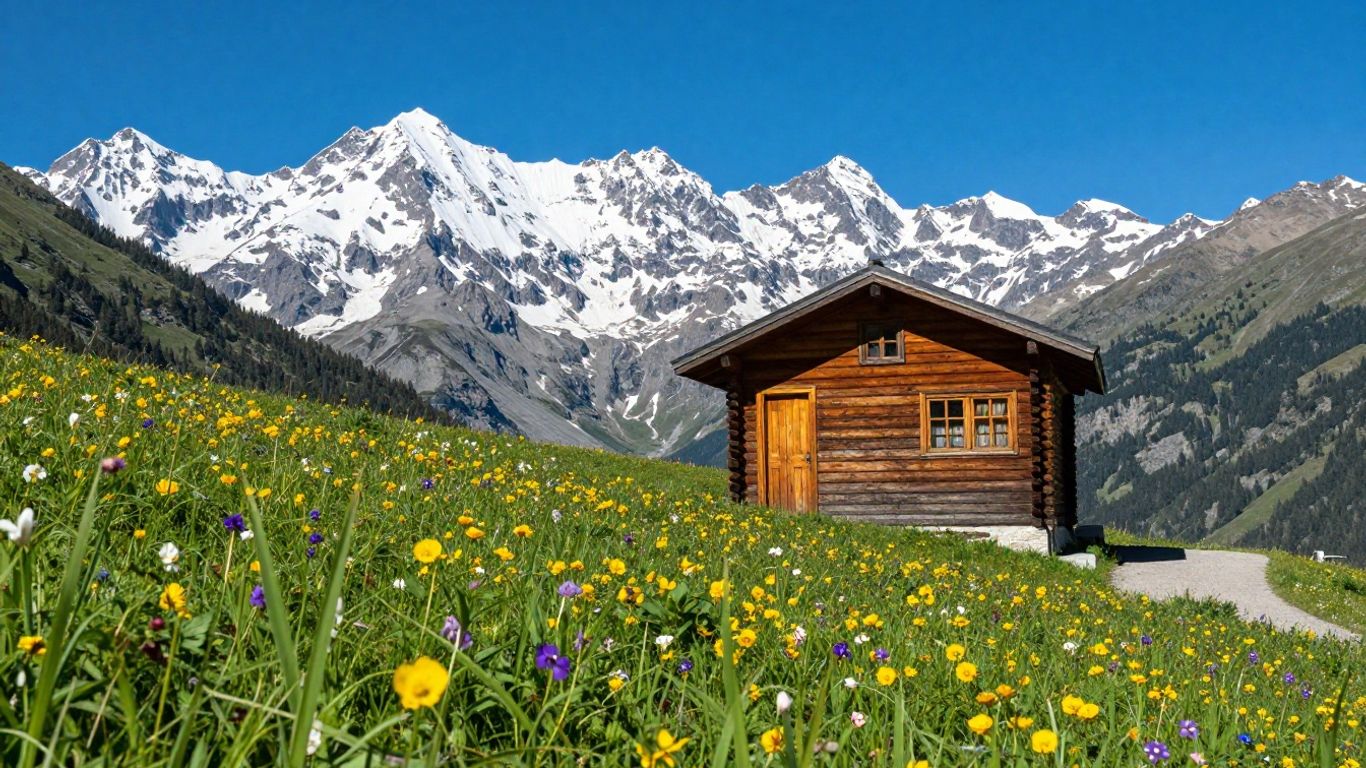
High-altitude environments require specialized approaches to construction and waste management to preserve the local atmosphere. In search of budget-friendly accommodation in the French Alps, many hikers find that smaller mountain lodges offer the most authentic experience. These structures often utilize solar energy and rainwater harvesting to function as self-contained units that blend into the rocky slopes.
Seasonal considerations for mountain retreats
Selecting the right season is crucial for minimizing impact on the delicate alpine vegetation and wildlife that define these landscapes. Different months present unique opportunities for nature observation, yet require varying levels of preparation from the guest.
| Season | Activity Focus | Conservation Note |
|---|---|---|
| Spring | Alpine wildflower blooming | Stay on marked paths |
| Summer | High altitude bird watching | Respect nesting habitats |
| Autumn | Wildlife migration patterns | Minimize noise disruption |
Planning around these cycles ensures that your stay is synchronized with the natural rhythms of the mountains while helping maintain the quietude of these sensitive areas.
Activities connecting guests with alpine biodiversity
Engaging directly with the environment allows guests to contribute to local conservation efforts through guided programs and citizen science workshops. Participating in these activities helps travelers understand the fragility of high-altitude ecosystems, such as those found throughout the Auvergne ranges or along mountain trails. These deeper interactions provide a more grounded perspective on why staying in low-impact structures remains essential for protecting the wild integrity of these majestic, high-altitude regions.
Coastal sanctuaries and sustainable seaside retreats
Protecting fragile dune and marine ecosystems
Coastal landscapes are incredibly susceptible to erosion and human interference, necessitating strict management by resorts located near sensitive dunes. When staying near the iconic Dune du Pilat, it is common to find lodges that enforce pedestrian-only walkways to preserve dune height. These proactive measures prevent structural damage to the fragile sands while ensuring that the visual scenery remains pristine and undisturbed.
Water conservation practices in small-scale resorts
Small-scale properties, such as a secluded seaside retreat, are uniquely positioned to implement advanced water-saving technology that large hotels often overlook. These establishments utilize filtered greywater for landscaping and low-flow fixtures for interior use. Such diligent practices drastically reduce the daily strain on local groundwater, maintaining the natural hydrological health of the coastal area for future generations.
Remote lodges along the Atlantic coastline
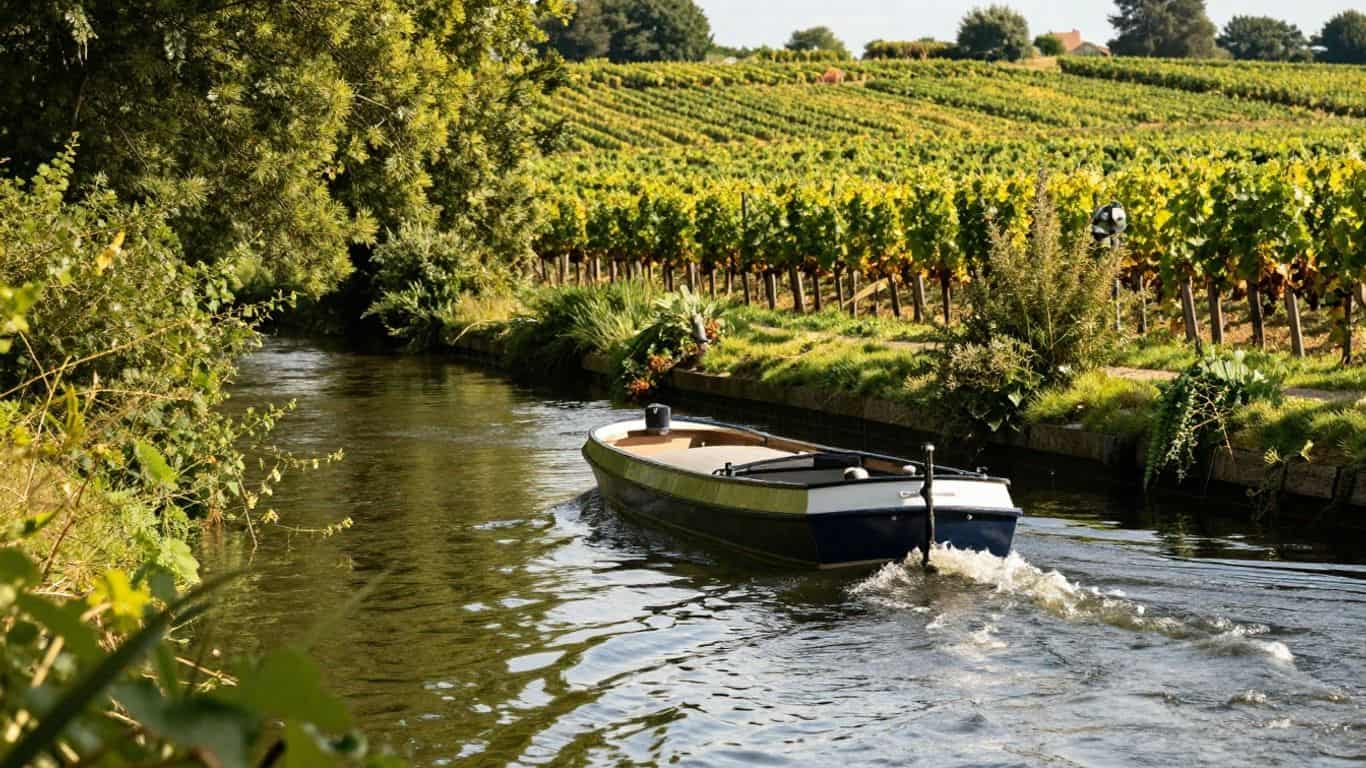
Traveling along the Atlantic coast offers a refreshing change of pace, where the rhythm of the tides dictates daily life more than the clock. For travelers seeking a luxury hotel barge route, these waterways provide access to coastal wetlands and hidden riparian zones. These journeys prioritize a slow, deliberate movement through the landscape, encouraging passengers to observe the coastal transition from saltwater estuaries to dense shoreline forests.
Forest glamping and woodland hideaways
The rise of luxury cabins in temperate forests
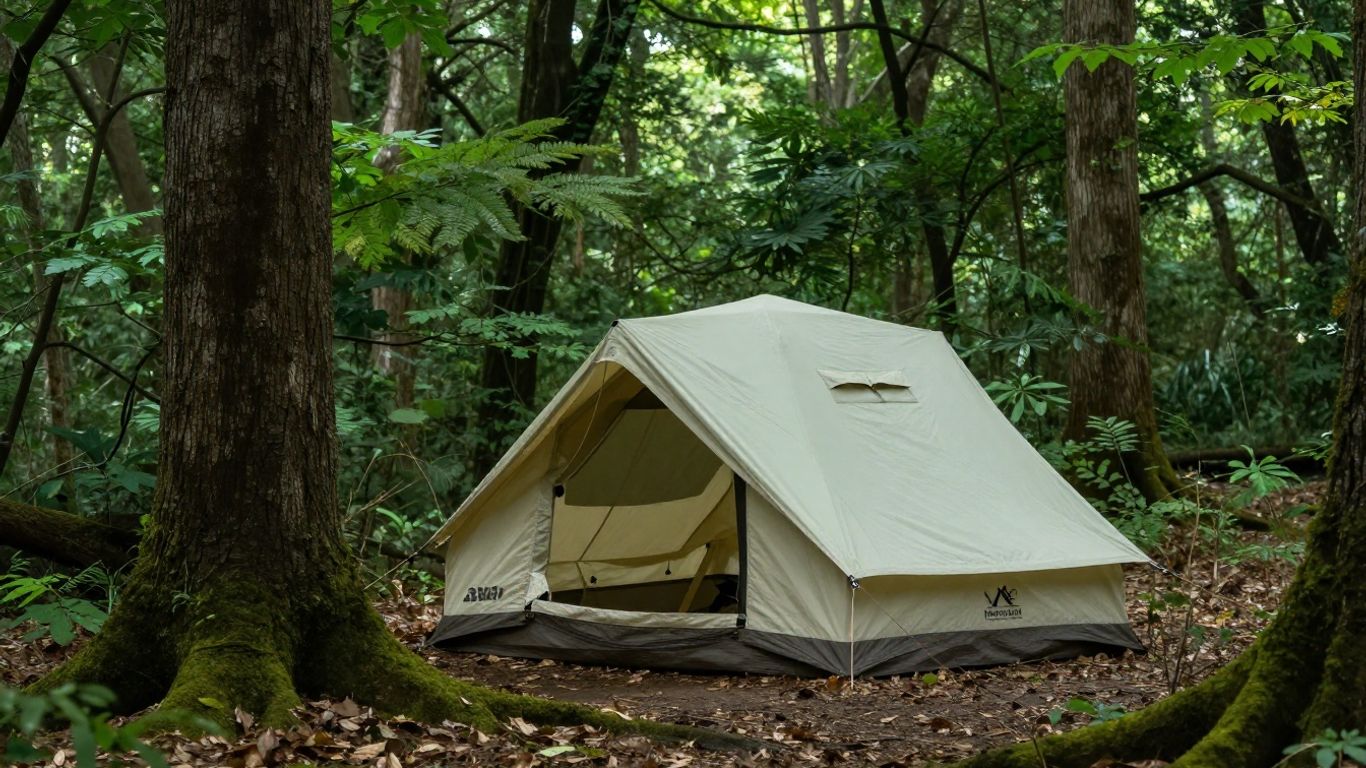
Temperate forests have become popular sites for luxury glamping as more owners turn small plots into sustainable hideaways for city residents. These structures are elevated on stilts to prevent compacting the sensitive root systems of ancient trees below. By building upwards rather than outward, developers preserve the natural forest floor and ensure the mycelial networks continue to thrive without obstruction.
Minimal impact construction methods
Innovative builders are moving toward modular designs that can be assembled on-site with hand tools to leave no permanent footprint on the soil. This approach keeps the forest floor composition intact, which is critical for local biodiversity and temperature regulation. These methods prioritize traditional timber craftsmanship that requires minimal chemical treatment, ensuring that the structures decompose safely at the end of their lifecycle.
Immersive nature experiences for wildlife observation
For many guests, the primary appeal is the ability to witness wildlife in their natural habitat without needing to leave the lodge’s balcony. Many woodland hideaways provide specialized blinds or quiet decks for quiet observation of deer, birds, and small forest life. These experiences foster a profound appreciation for the local ecosystem, encouraging travelers to advocate for the preservation of these critical woodland zones throughout the year.
Eco-friendly conversions and traditional stone dwellings
Restoring heritage homes for sustainable hospitality
Converting historic granite or limestone farmhouses into guest properties preserves regional aesthetics and prevents the need for new, resource-intensive construction. Owners often leverage thermal mass properties of the original stone to regulate indoor temperatures naturally without relying on heavy air conditioning. This integration of tradition and modern efficiency keeps the cultural character of the countryside intact while meeting the expectations of today’s eco-conscious traveler.
Sourcing local materials for interior renovations
Using reclaimed timber from nearby forests or stone salvaged from local farm ruins reduces the transport-related carbon footprint of renovation projects. These local materials also ensure that the renovation fits the aesthetic rhythm of the existing village, rather than looking like an out-of-place addition. This practice benefits the local economy by providing work for neighborhood woodworkers and masons who possess the niche skills to work with historic materials correctly.
Supporting local agriculture through on-site dining
Many modernized gites partner with regional farmers to stock their larders with seasonal produce, effectively shortening the supply chain. When guests dine on-site, they enjoy fresh, regional ingredients that are rarely found in traditional hotels. This creates a circular economy where the tourism spend directly supports the livelihoods of farmers who work the land.
Tips for planning your sustainable French getaway
Best times of year to visit rural areas
Visiting during the shoulder season—typically spring or early autumn—is the best way to ensure your impact remains minimal. These quieter periods allow village services to operate at a steady, sustainable pace, rather than struggling to keep up with the summer surge.
Navigating transportation in remote provinces
To keep your trip truly sustainable, rely on regional trains if possible, topped off by local biking or walking paths. For those needing to reach remote rural sites, renting an electric vehicle or utilizing local carpooling services is often the smartest choice to keep your trip well within green travel guidelines.
Essential eco-friendly gear for your trip
Packing correctly is one of the most effective ways to lower your footprint while staying in rural sites. Carrying the right gear minimizes your reliance on disposable items that can be difficult to recycle in remote provincial towns:
- A reusable water purification bottle for safe, clean hydration on trails.
- A portable solar power bank for charging devices without straining the main grid.
- Solid soap and shampoo bars to prevent plastic bottle waste.
- A collapsible bag for collecting trail trash during hikes.
By keeping this equipment at hand, you ensure that your stay remains environmentally neutral, even in areas where waste recycling facilities are sparse.
Conclusion
Finding The best eco lodges and nature stays in France off the beaten path is about choosing experiences that respect the land and its caretakers. By prioritizing sustainable operations, supporting local heritage restoration, and traveling with mindful gear, you contribute to a future where tourism serves as a tool for ecological preservation. Whether you are retreating to a peak in the mountains or seeking the quiet solitude of a coastal farm, your conscious choices pave the way for a more thoughtful exploration of the French countryside.
Frequently Asked Questions
Why should I choose an eco-lodge over a traditional hotel?
Eco-lodges typically offer a deeper, more direct connection to nature and a much smaller environmental footprint compared to large, resource-intensive hotels.
Does staying in an eco-lodge mean sacrificing modern comfort?
Most modern eco-lodges provide all the essential amenities, such as hot showers and Wi-Fi, while utilizing innovative, self-sustaining technologies.
How can I know if an eco-lodge is truly sustainable?
Look for clear sustainability certifications or detailed, transparent information on how the property handles its energy, water, and regional food sourcing.
What should I look for when researching remote mountain stays?
Prioritize stays that focus on local biodiversity, minimal construction impact, and clear seasonal guidelines for protecting high-altitude ecosystems.
Are eco-lodges found in all regions of France?
Yes, you can find unique eco-conscious properties across the country, ranging from coastal retreats to mountain homes and woodland cabins.
What is the most effective way to help the local environment while staying in rural France?
Support the local economy by dining on site, purchasing regionally produced goods, and strictly following local conservation guidelines for flora and fauna.
Is it possible to visit remote rural regions without a private car?
It requires more planning, but integrating local rail travel with bike rentals or regional carpooling services can provide a comprehensive and sustainable way to navigate France’s province.