

Navigating France: French Airports Map Guide with Michelin Route Planner for Easy Travel

So you’re planning a trip to France, and yes getting around there can feel a bit like a puzzle, especially once airports enter the picture. This little guide is here to help you decode the French airports map, from the huge hubs such as Charles de Gaulle to the smaller regional stops, basically turning it into a practical France airport guide. We’ll also walk you through how to reach your destination after landing, plus a few sharp ways to plan the whole trip, so it’s less stressful, and honestly more enjoyable. Think of it as a friendly cheat sheet for flying into and out of France, ok?
Key Takeaways
- Charles de Gaulle (CDG) is France’s main international airport, with multiple terminals that can be confusing. Always check your flight details for the correct terminal.
- Orly Airport (ORY) is another major Paris airport, often used for domestic flights, while other regional airports serve different parts of France.
- Budget airlines like EasyJet and Jet2 can be good options for flying into France from the UK, serving both major and smaller airports.
- France has an excellent and extensive train network (TGV), which is a great alternative to flying between cities and can be more scenic and relaxing.
- Using navigation apps like Google Maps or Waze can help with driving, and then apps like Citymapper are useful for public transit, like… you know getting around the city more smoothly. Also car rental is another option, with companies like AutoEurope being recommended, for that easy cars for a few days vibe.
Understanding the French Airports Map
France is a country that draws millions of visitors yearly and has an efficient network of airports to serve them. Arriving in vibrant Paris or a peaceful small town, it is beneficial to know a little about the layout of the airport e.g. at least general understanding. Paris Charles de Gaulle aka CDG serves as the main point of entry for foreign travelers among others.
Key Airports Serving France
France has a bunch of big international airports, kind of like a set of entry points that each lets you reach diff regions. Sure, CDG takes care of the majority of international travel. But still, the other airports are pretty crucial for getting to certain areas within the country, not just the main hubs.
- Paris Charles de Gaulle (CDG): The biggest and most active airport in France, placed to the northeast of Paris. It functions as a major hub for Air France, and acts as an important gateway for travelers coming in on flights from North America and beyond.
- Paris Orly (ORY): Located to the south of Paris, Orly mainly caters to domestic as well as European flights and at the same time, it also gets some international services.
- Nice Côte d’Azur Airport (NCE): Serving the French Riviera, this airport is a popular choice for those heading to the glamorous coastal cities like Nice, Cannes, and Monaco.
- Lyon-Saint-Exupéry Airport (LYS): A significant airport in eastern France, offering access to the Rhône-Alpes region and the French Alps.
- Marseille Provence Airport (MRS): Located near Marseille, it’s the main airport for Provence and the southern coast.
- Toulouse–Blagnac Airport (TLS): Serving the Occitanie region in the southwest.
There are also a lot of smaller regional airfields that work mainly with budget airlines and domestic routes, so it becomes possible to fly straight into many smaller towns, and cities. Like for example Bergerac (EGC) in the Dordogne, is a go-to arrival point for that area.
Navigating Major French Airports
Big airports like CDG can be quite large, sometimes they feel a bit overwhelming. Honestly, it helps to get a basic grip on how they’re set up before you land, even if it’s just a mental map. One of the things that make CDG so well known is having several terminals, and among which Terminal 2 is actually a big maze consisting of different areas, 2A through 2G. Terminal 1 and Terminal 3 are more like separate buildings, and they usually handle different airlines, or they are specialized in different types of flights.
When you touch down, take a moment, pay close attention to the signs. They are mostly clear, and you can usually find them in both French and English. If you know your terminal number ahead of time that is a big help so you should check your flight details every time, before you go. If you’re connecting, look for signs indicating “Correspondances” or “Connections.”
Here’s a quick look at passenger numbers for some of the busiest airports:
| Airport Name | IATA Code | Approximate Annual Passengers (Pre-pandemic) | Primary Service Area |
| Paris Charles de Gaulle | CDG | 76 million | Paris & Northern France |
| Paris Orly | ORY | 32 million | Paris & Southern France |
| Nice Côte d’Azur | NCE | 14 million | French Riviera |
| Lyon-Saint-Exupéry | LYS | 11 million | Eastern France |
| Marseille Provence | MRS | 10 million | Provence |
Navigating through these big airports, usually means you take shuttle buses, or those internal rail connections, especially if you need to travel between far apart terminals. Like at CDG, there are free shuttles that link the different terminals up. And if you’re landing from the UK, budget airlines such as EasyJet often touch down in smaller airports, or in specific terminals, and that can sometimes let you get out quicker, from the airport area altogether.
Navigating Paris Charles de Gaulle (CDG)
Landing at Paris Charles de Gaulle, CDG, also called Roissy, can feel a little overwhelming at first. It’s a huge airport, one of the busiest in Europe , so getting your bearings becomes a priority fast. Knowing which terminal you’re heading to before you even leave home is like the first small win for an easier arrival, really. Most airlines will show that info pretty clearly on your ticket, or in the booking confirmation you get by email.
Understanding CDG Terminal Layouts
CDG is kind of structured with a bunch of terminals, with Terminal 2 being this complex of multiple sub terminals 2A to 2F, you know. Then there are Terminals 1 and 3, and also there is an extra satellite terminal S4, that’s connected to 2E. That one handles quite a lot of long haul flights, so yeah. It can get a little confusing, especially Terminal 2 with its various sections.
For instance, Terminal 2G is somewhat separate and requires a shuttle bus to reach, and is often used for certain European Air France flights. If you’re arriving from North America, you’ll likely find yourself in Terminal 2A or 2E, which are generally easier to get around.
Tips for Navigating CDG Terminals
- Check Your Terminal: Always confirm your airline’s specific terminal. This information is usually available on the airport’s website or in your booking details.
- Follow the Signs: Once inside, clear signage will guide you. Pay attention to signs for baggage claim, customs, and onward transport.
- Passport Control Lines: Be aware that there are separate queues for EU and non-EU passports. Make sure you join the correct one to save time.
- Special Assistance: If you are traveling with small kids, or maybe you have mobility issues, don’t hesitate to come up to the airport staff. They can quite often give you a hand, and help get you to the front of the queue as a kind of courtesy.
- Inter-Terminal Shuttles: If moving between terminals, most especially when going to 2G, or the farther Terminals 1 and 3, you may consider looking for free shuttle bus stops. And in almost all cases, your luggage will be transferred without your involvement.
Transfers from CDG to Paris
Getting from CDG into Paris, there are a couple of choices, kind of depending on what you care about most. Taxis show up easily but they can be a bit pricey, so yeah. If you want something more predictable and honestly comfortable, setting up a private car transfer ahead of time is a solid plan. Your driver will be there to welcome you, help with the bags, and guide you straight to your hotel, no unnecessary stops, usually. On the other hand, if you’re thinking of public transport, the RER line works really well, it’s an efficient and cost friendly option that links you to multiple spots across Paris and beyond, including the nearby suburbs. It’s a quick route to move around, without having to wrestle with the city traffic and all that.
France has been making efforts to reduce its carbon footprint, leading to some changes in domestic travel. While this article focuses on air travel, it’s worth noting that the country’s excellent rail network is a fantastic alternative for many journeys within France. Consider the SNCF train network for a scenic and efficient way to connect cities.
Exploring Other French Airports
While Paris gets a lot of the attention, France has a whole network of airports that can get you closer to your specific destination, whether that’s the sunny beaches of the south or the wine regions of the west. It’s worth looking beyond the big two in Paris.
Orly Airport (ORY) Overview
Situated in the southern part of Paris, Orly Airport (ORY) ranks as the second largest airport serving the French capital. In the past, it was the main international gateway. However it primarily handles domestic and European flights now, especially with low-cost carriers. In case your journey is mainly centered on parts near the south of Paris, or if you are able to get a really good flight deal landing here, Orly can become a handy place to arrive at for you. It’s pretty well connected to the city center using public transport, including the Orlyval light rail and also several bus services.
Regional Airport Access
Most of the airports in France are kind of small, they handle specific places, more or less on a regional scale. Like, take Nice Côte d’Azur Airport (NCE) it’s basically aimed at the French Riviera, while Lyon-Saint-Exupéry Airport (LYS) focuses on the Rhône-Alpes area, and Bordeaux, Mérignac Airport (BOD) leans toward the wine country.
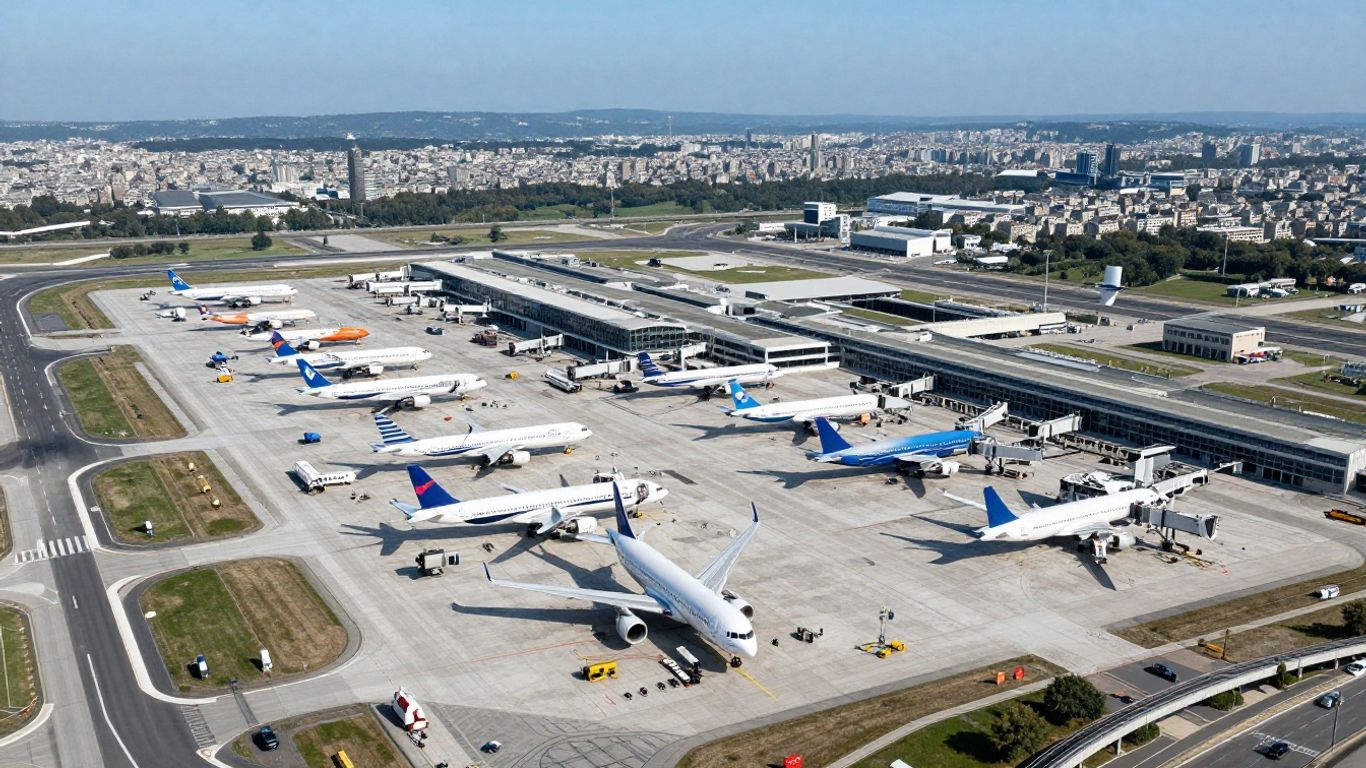
Then you’ve got the ones that feel almost like your local airports, for instance Bergerac (EGC) in the Dordogne, which ends up being a go-to spot for travelers who want a low-key, countryside sort of experience. In general, using these regional airports as your arrival point after you land in France can save you quite a bit of time too, because you won’t have to mess with those long train rides or lengthy car drives coming from Paris.
Here’s a quick look at some popular regional airports:
- Nice Côte d’Azur Airport (NCE): Gateway to the French Riviera, Monaco, and Provence.
- Lyon-Saint-Exupéry Airport (LYS): Serves the Auvergne-Rhône-Alpes region, a hub for skiing and gastronomy.
- Marseille Provence Airport (MRS): Access to the southern coast and Provence.
- Toulouse–Blagnac Airport (TLS): Connects you to the Occitanie region, known for its aerospace industry and charming towns.
- Bordeaux–Mérignac Airport (BOD): Ideal for exploring the famous wine regions of Southwest France.
Remember that France has been rolling out regulations to curb emissions from domestic flights. So, you might see some very short domestic legs get phased out or even rerouted, kinda like that. It’s a good idea to always check the newest travel advisories too, because rules can change fast. And if you can, think about switching to rail transport, the train, especially when the route is shorter inside France.
Think about where you want to start your holiday when selecting the airport for your arrival. It is not always necessary to fly to Paris and then get another flight or take a long train journey as sometimes a direct flight to a regional airport is the most convenient and time-saving. It can also be kinda a nice method to see different slices of France right away, even maybe tasting some local craft beer as soon as you arrive.
Planning Your French Travel
Awesome that your flights have been booked and you are ready to explore France with this France travel guide. Fantastic! Before you fly, let’s talk about how to make your trip a memorable one, a smooth ride, and a budget-friendly one too. France is a big country with a lot of different things to see from the busy streets of Paris to the calm vineyards of Bordeaux. The great thing is a little planning can take you really far.
Budget Airline Options
If you’re trying to save a bit of cash on flights, especially if you’re coming from the UK or other parts of Europe, budget airlines are well worth a look, sorta. Places like EasyJet and Jet2 often have pretty decent bargains, landing into both major gateways like Paris and also smaller regional airfields. That can be a nice way to get nearer to your final destination, without draining your savings. Just remember to check baggage allowances and any extra fees – those can add up!
Considering Rail Travel
Once you’re in France, the train system is fantastic. The high-speed TGV trains can whisk you between major cities in no time. Booking your train tickets ahead of time is kind of the big thing, especially if you’re talking about the TGV, because the fare can rise quite a bit nearer the day you actually travel. If you’re thinking you’ll be doing a lot of between- cities movement, then it might make sense to check rail passes, though still compare the total price with buying single tickets one by one.
For the brief trips or for getting to smaller towns, regional trains and buses exist too, not everything has to be a long haul. Honestly it feels more easygoing to watch the countryside unfold than driving, and a lot of the time you can reach the middle of the city without too much hassle.
Utilizing Navigation Apps
Getting around France, whether it’s by car, train, or even just walking in a new city, is so much easier with a good navigation app. Google Maps is a good pick for most situations, like driving directions, public transit routes, and yeah even walking paths. If you’re going to drive around, it’s smart to get a feel for the French road network beforehand, just to not get surprised. TheSome apps canre are also apps that can help you steer around traffic jams, especially near larger cities.
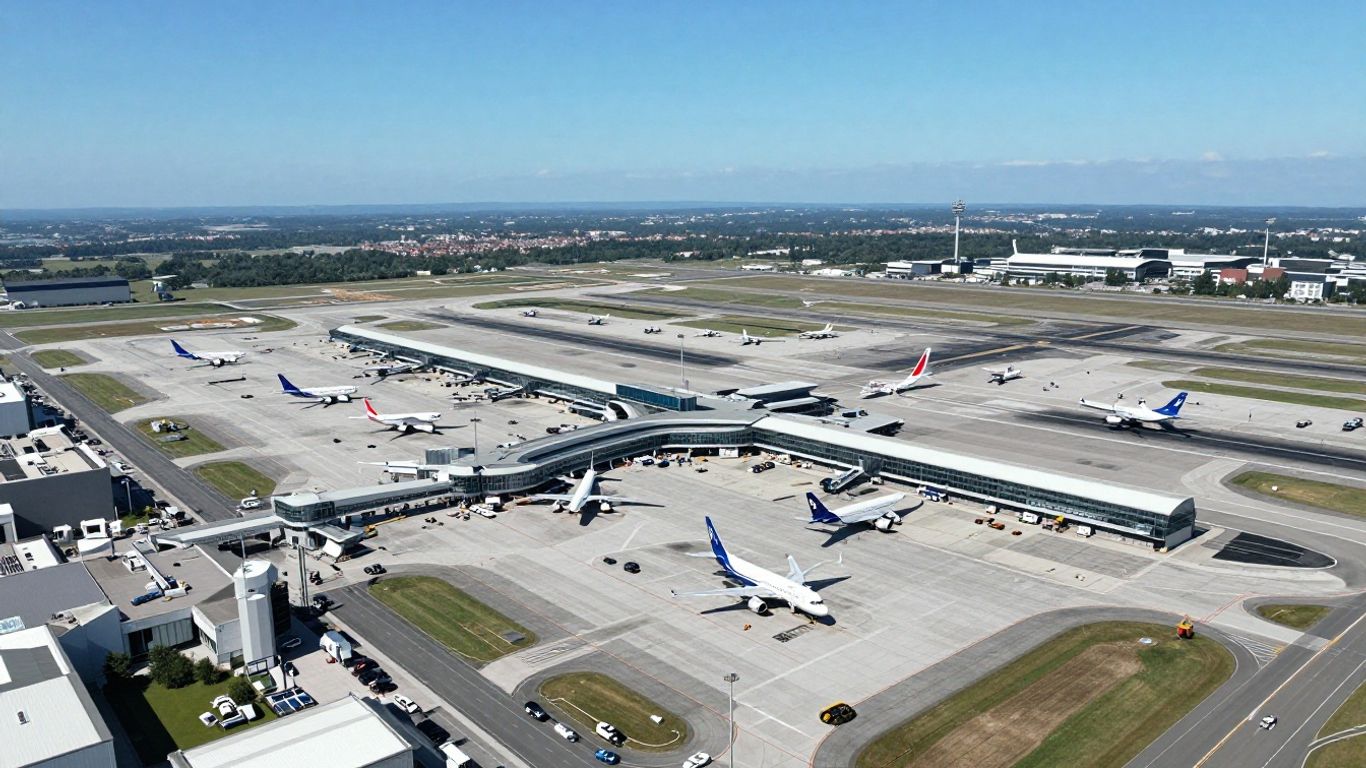
For getting around inside places like Paris, apps that map out Métro lines and bus routes are pretty useful in a very practical way. And don’t forget to download offline maps, in case you end up in zones where your signal is weird, or just spotty.
When you’re planning your journey, think a bit about the pace, because it matters. France has so much going on, from mountain areas to coastlines and those little, really charming villages. If you try to squeeze in everything in a week or two it can end up with you feeling kinda rushed. Honestly, it works better to choose a region or two, then settle in and let it all sink in, slowly, with more time to breathe. That’s how you get a feel for the French way of life, the ‘art de vivre’.
Here’s a quick look at some common transport options:
- TGV (High-Speed Train): Best for long distances between major cities.
- TER (Regional Express Train): Connects smaller towns and cities within a region.
- Intercités: Trains that run on non-high-speed lines, often connecting medium-sized cities.
- Buses: Good for local travel and reaching places not served by trains.
- Rental Car: Offers the most flexibility, especially for exploring rural areas. Driving in France can be a great experience if you’re prepared.
Remember to check the specific routes and schedules for your chosen mode of transport, as they can vary. Happy travels!
Essential Travel Resources
Getting around France is more than just taking flights and dealing with airport transfers. You need the right instruments and bits of information, not only the obvious things, and then the whole trip can end up smoother. It might even let you save a little money too. Let’s look at some helpful resources for your journey.
French Road Network Information
When planning road trips, especially between cities, it’s smart to get an idea of costs and travel times. The Michelin Route Planner is a fantastic tool for this, and it helps estimate routes, tolls, and fuel costs. It doesn’t just give you directions; it also estimates fuel costs and toll charges, which can be a big help when comparing driving versus taking the train. For example, a drive from Avignon TGV to Nice Thiers might be quicker and cheaper than the train, depending on your specific needs.
Here’s a quick look at what it can help you figure out:
- Route calculation: Get the best path between two points using the Michelin route planner.
- Cost estimation: See estimated fuel and toll expenses.
- Time estimates: Know how long the journey should take.
Planning your route ahead can stop those little, unexpected costs and delays from showing up. It helps to, if you can, check the current road conditions too. Especially in the peak travel season, when everything moves more slowly and somehow nobody warns you in time.
Car Rental Recommendations
In France, public transport is usually quite good but renting a car gives you more flexibility, especially when you want to wander through rural landscapes or smaller places. A few different companies work across the country, and in most cases booking earlier helps a lot to lock in a decent rate. People often point to sites like AutoEurope, not just for shopping around but also for spotting bargains. When you pick up the vehicle, make sure you really understand the insurance choices, and check the car for any existing damage before you pull away.
Useful Travel Apps for France
Tech can be a real lifesaver honestly, especially when you’re traveling. There are a few apps that can help you out a lot, while your French adventure gets rolling, and you don’t have to think too much about it.
- TripIt: This app is great for keeping all your travel details in one place. Just forward your booking confirmations, and it creates a neat itinerary for you.
- SNCF Connect or Trainline: If you plan on using trains, these apps are indispensable for booking tickets, checking schedules, and getting real-time updates on your journey.
- Hopper: If you’re still looking for flights, Hopper can help you track prices and suggest the best times to book to save money.
- Michelin Guide: For finding great places to eat, this app is a classic. It lists restaurants with ratings and price information.
These apps can help you remain organized, stumble upon nice deals, and make the best use of your time while in France, really.
Wrapping Up Your French Airport Journey
So, that’s a look at getting around France’s airports. It can seem a bit much at first, especially with a place like Charles de Gaulle, but once you know the basics, it’s really not so bad. Checking your terminal ahead of time is a good move, and remember there are options like trains and buses if you’re not driving. Hopefully, this guide has made things a little clearer for your next trip and served as a helpful France airport guide. Happy travels, and enjoy using this France travel guide throughout your trip!
Frequently Asked Questions
What are the main airports in France?
The biggest airport in France is Charles de Gaulle (CDG) just near Paris, it handles a lot of the international flights and things like that. Another major hub in the Paris area is Orly (ORY) which mainly takes care of European routes and such. Besides those, you also have important airports in places like Lyon (LYS), Toulouse (TLS), Bordeaux (BOD), and Nice (NCE).
How do I get from Charles de Gaulle (CDG) airport to Paris?
You have a few options to get to Paris from CDG. You can take a train, a bus, a taxi, or a pre-booked private car. The RER B train is a common and affordable way to reach the city center. Taxis and private cars offer more convenience, especially if you have a lot of luggage.
Are there budget airlines that fly to France?
Yes, several budget airlines like EasyJet and Jet2 offer flights to various airports in France, especially from the UK. These can be a great way to save money on your trip, but it’s always good to check which airports they fly into and out of.
Is it better to fly or take the train in France?
For traveling between cities in France, the train network, especially the high-speed TGV trains, is excellent. It’s often faster than flying when you consider travel time to and from airports, and it’s more environmentally friendly. Plus, you get to see the countryside!
What should I know about navigating French airports?
French airports, especially large ones like CDG, can be quite big and sometimes confusing, so checking a France airport map beforehand can help. Always check your flight ticket to know which terminal you need to go to. Many airports have helpful maps online or at the airport itself. Look for signs carefully, and don’t hesitate to ask airport staff if you’re unsure.
Are there any apps that can help me travel in France?
Absolutely! Apps like Google Maps or Waze are great for getting around by car or on foot. Citymapper is useful for public transport in cities. For restaurant recommendations, you can try the Michelin Guide or The Fork. Apps like Wise can help with currency exchange, and France24 keeps you updated on news.


