

Unique Hidden Gems Without Tourists: A Local Guide for Your French Alps Vacation

Tired of the usual tourist spots in the French Alps? Me too. It feels like every picture you see is the same few places, packed with people. But what if I told you French Alps tourism still has spots that feel like your own little secret? These are places where you can actually hear the cowbells. You can also breathe in the crisp mountain air without a crowd during authentic French countryside travel. I’ve been digging around, and this French Alps travel guide reveals hidden gems most people drive right past.
We are discussing silent valleys together with small French Alpine villages that possess their own historical narratives. Hiking trails can take you to magnificent spots with wonderful views of nature. Plus, since these hidden places are a part of our secret French Alps itinerary, it will be like finding out where we need to go on that tour.
Key Takeaways:
- Find the less traveled valleys of Haut Giffre and parts of Vanoise (for a tranquil escape).
- Discover extraordinary natural treasures like the Grotte de Bournillon and the Cascade de la Pisse, which even many tourists tend to overlook.
- Visit charming, secluded villages like Peone and historic sites like Chateau de Miolans for a taste of local history and culture.
- Find breathtaking viewpoints and challenging trails in areas like Pas du Roc and Aiguille Percée, away from the main crowds.
- Experience the authentic French Alps by staying in charming alpine refuges and enjoying local food in quiet settings.
Quiet French Alps villages and towns at a glance
These are the places covered below, plus a few more of the quietest villages in the French Alps. All are well away from the big ski-resort crowds.
| Village or area | Where | Why go |
|---|---|---|
| Sixt-Fer-à-Cheval and Samoëns | Haut-Giffre, Haute-Savoie | Traditional villages below the Cirque du Fer-à-Cheval, a vast horseshoe of cliffs and waterfalls. |
| Pralognan-la-Vanoise | Vanoise, Savoie | A low-key gateway village to the Vanoise National Park, France’s first national park. |
| Bonneval-sur-Arc | Haute-Maurienne, Savoie | Stone houses with slate-like stone roofs at the end of the valley; one of the Plus Beaux Villages de France. |
| The Oisans hamlets and La Grave | Oisans, Isère and Hautes-Alpes | Tiny hamlets off the Tour de France roads, and La Grave facing the glaciers of La Meije. |
| Saint-Véran | Queyras, Hautes-Alpes | One of the highest villages in Europe, at around 2,000 metres, with wooden barns and sundials. |
| Péone | Haute Vallée du Var, Alpes-Maritimes | A tiny village wedged under rock pinnacles, close to the Mercantour mountains. |
| Château de Miolans | Combe de Savoie, Savoie | A medieval fortress on a cliff above the Isère valley. |
When to go: June to September for hiking, when the high passes are usually open. In winter, many of these villages are quiet bases for cross-country skiing and snowshoeing rather than big-resort skiing.
Getting around: public transport into these valleys is limited, so a hire car makes a huge difference. If you want the best-known Alpine base instead, start with our Annecy travel guide or our French Alps road trip.
Discovering Lesser-Known Alpine Valleys
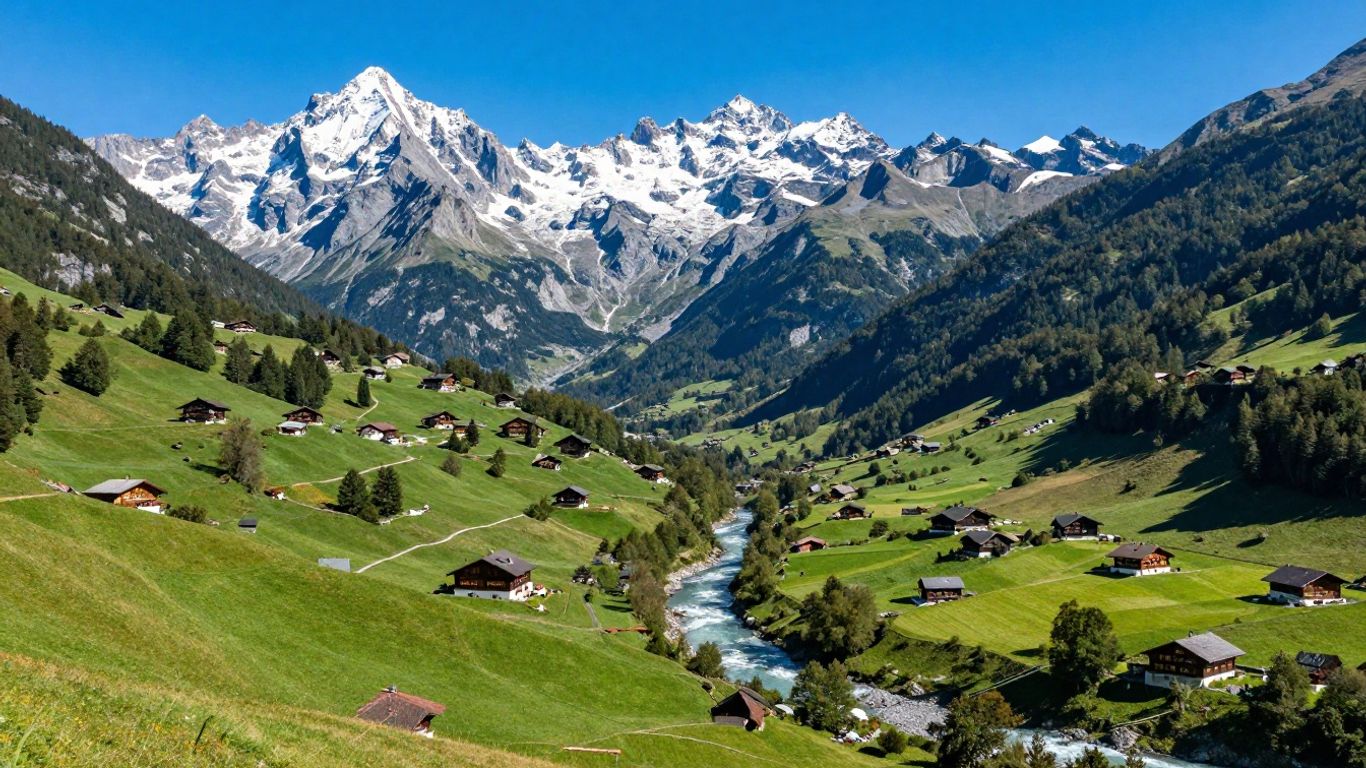
The French Alps first come to mind for most people as they imagine their active resorts and their popular walking routes. My preference has always been to explore spaces that maintain their original natural state. The hidden valleys which receive less attention provide visitors with their first true experience of the mountains’ deepest essence.
Haut Giffre’s Remote Charm
The Haut-Giffre valley served as my initial real experience with this. The location lacks tourist attractions but provides its strongest appeal through this feature. The drive itself creates an adventurous experience as it follows a scenic French Alps itinerary through breathtaking gorges. I stopped at the small village of Sixt-Fer-à-Cheval and experienced a time travel moment.
The atmosphere contained pure air and only two sounds existed which were cowbells and the flowing Giffre River. This location provides the ultimate remote experience for visitors. The hike leads to the ‘Bout du Monde’ (End of the World) which provides complete isolation through its name and design.
- Getting there: Access is primarily by car, with limited bus services in peak season.
- Must-do: Hike to the Cirque du Fer-à-Cheval for stunning glacial cirque views.
- Local tip: Visit Chalet du Boret for their excellent homemade blueberry tart and tartiflette. If you chat with him, Hubert, the owner, may offer you his home-made herbal digestif.
The enormous cliffs here are really impressive. Places like these remind you of your insignificance in the most wonderful way.
The Serene Beauty of the Vanoise National Park
Visiting Vanoise National Park is a must for any peaceful tourist program through the French Alps itinerary. Usually, Vanoise National Park is neglected by people since they want to see its more famous neighboring parks. However, I saw it as a refuge of quietness. The area contains extensive unspoiled territories which make it one of the best places in the French Alps.
The location serves as an excellent wildlife observation site, as I have encountered both ibex and marmots at this location multiple times. All French Alps travel guides document the park’s various trails which visitors can explore. To experience genuine park life visitors should choose to stay at one of the park’s refuges which includes Refuge Les Barmettes. The establishment provides visitors with an authentic mountain experience through its basic traditional design.
| Activity | Difficulty | Typical Duration |
| Wildlife Watching | Easy | All day |
| Hiking to Peaks | Moderate | 4-8 hours |
| Refuge Stays | N/A | Overnight |
Exploring the Oisans Region’s Hidden Hamlets
The Tour de France route connects with numerous small hamlets and villages which maintain their original charm. I dedicated several days to discover these secret attractions during my exceptional French Alps road trip. The town of La Grave provides visitors with its stunning unspoiled landscape which features the Meije massif. The location serves as a demonstration of traditional farming methods which have been practiced by local farmers for many years.
The French Alps villages and mountains display their charming character through their relaxed pace of life. The area provides an authentic mountain experience that stands in contrast to the commercialized alpine regions. Visitors who want to experience something different in their French Alps vacation should visit this location which remains open throughout the year except for the main cycling period. The guide to exploring France in May provides valuable resources that help visitors discover less popular travel periods.
Untouched Mountain Peaks and Trails
The popular hiking routes receive most of the public’s interest, but I discovered exceptional mountain summits and hiking paths. The trails provide visitors with a closer experience to the mountain environment. You can experience true mountain connection at these locations because they are free from tourist crowds.
The Vertiginous Pas du Roc
The present situation requires people to undertake difficult tasks which lead to major benefits. The path makes a steep climb, so hikers need to press their bodies against the rock wall. Hiking in French Alps mountain trails offers great experiences where people feel totally exposed to nature. The area offers a challenging climb that refreshes your body and mind.
Visiting early in the morning is the best choice because it gives perfect light and shields you from possible changes in the weather later on. The circumstance compels using sturdy shoes but at the same time not losing the ability of the mind to deal with heights.
Aiguille Percée’s Panoramic Views
The local community refers to this location as the ‘Pierced Needle’ which provides visitors with access to breathtaking views that I consider my most extensive discovery. The hiking in French Alps provides travelers with an easy hiking path that requires minimal effort to reach their destinations. The landscape extends beyond our current vision as it reaches a boundary that we cannot see.
The observer can see distant locations which include sharp mountain summits and soft flowing valleys. The location provides an ideal environment for enjoying a midday meal while experiencing the surrounding beauty. The place inspires me to write down my ideas as I bring a small notebook with me.
The Challenging Ascent of Aiguille de la Vanoise
If you’re looking for a tough challenge, the Aiguille de la Vanoise might be what you are after. Firstly, in order to take this route will be demanding. You will have to be in good shape and have at least some knowledge of mountain hiking.
Moreover, the higher you go, the more the beauty of nature around you shall captivate you. Your tracks will be made up of rocks and there might be an occasional snow patch which you will have to cross, depending on the time of year. The peak provides a complete 360-degree perspective, which appeals to hikers who love hiking in French Alps regions. The experience creates the sensation of standing on the highest point of the world.
You should check the weather forecast before your departure as weather conditions at this altitude can change unexpectedly. The hike tests your physical limits while providing you with exceptional mountain views. The adventure that you seek will provide you with an authentic wild experience. The feeling of success that you experience after reaching the summit differs from all other emotions. The French Alps show their unspoiled natural beauty which remains hidden from tourist paths. The Haute Route options provide visitors with authentic experiences that demonstrate the challenges of these difficult paths. They share a similar spirit of rugged adventure.
Secluded Villages and Historic Fortresses
The Fairytale Village of Peone
The discovery of Peone which exists in the hidden region of the Mercantour Alps captured my complete attention. The location requires active searching as it remains hidden from casual visitors. The entire journey creates an experience that transforms into an attractive adventure. The French Alps village exists as a real-life storybook location which remains among the best places in the French Alps.
The village features narrow alleyways which create a charming atmosphere that represents French countryside travel. The establishment operates as the only hotel that provides both bar and restaurant services. The special location creates an experience that feels completely different from standard daily life. The location functions as a peaceful spot that people use to create their French Alps itinerary. The village exists as a magical French Alps village that comes straight from a storybook.
Chateau de Miolans: A Cliffside Fortress
The Chateau de Miolans is so high up that at first, the magnificent castle stops the visitors and makes them admire. For over 1000 years the castle has been a military fortress that has guarded the whole area. When I first saw the historical place, I thought that the castle must have come in contact with all the main events of history.
Hiking is included in the trip but the visitors will see that the door from the top is so beautiful that they will simply forget all the effort. By visiting the old house, the visitors get to know the different periods of history that were lived in those walls. The French Alps travel guide tells about the history of the place behind the big building which is the live proof of the past.
Mont-Dauphin: A Perfectly Preserved Fortress Town
Mont-Dauphin is something else entirely. The fortified town has maintained complete preservation of its historical elements. The oldest French Alps villages preserve their original time period as visitors can experience their authentic atmosphere. The architectural design maintains uniformity which exists because all buildings receive proper upkeep.
The ramparts provide visitors with an authentic experience of military life during the time when this location functioned as an active military base. The UNESCO World Heritage site showcases the cultural heritage of French Alps tourism, which attracts tourists to the region. The site exists as an entire historical town that maintains its original character.
Here’s a quick look at what makes these places stand out:
- Peone: Fairy-tale village setting, unique rock formations, peaceful atmosphere.
- Chateau de Miolans: Dramatic cliffside location, historical significance, and panoramic views.
- Mont-Dauphin: The Vauban fortress town is impeccably preserved. It showcases historical military architecture and has UNESCO World Heritage status.
You need to organize your visit because these locations maintain their distance from popular tourist areas. You should assess your transportation options as public transport services are not always available. A guided tour provides an easy way to study history as it takes care of all the necessary arrangements.
Unique Natural Wonders Off the Tourist Path
The French Alps tourism provides tourists with their most valuable experiences through less popular tourist areas. In your French Alps vacation, you have plenty of these spots if you know where to look. I discovered some locations that left a lasting impression on me, as they felt like hidden treasures.
The Grandeur of Grotte de Bournillon
This place possesses exceptional beauty. The entrance of Grotte de Bournillon totally caught me off guard at first. It has one of the largest cave mouths in Europe, so huge that it looks like a giant’s gate leading to the mountain.
Besides, it involves a bit of a walk on a hiking trail, thus making it impossible for crowds to gather at the site. The path leads through beautiful landscapes until it reaches a sudden display of its destination. People find it difficult to express the total size of his work. A massive rock overhang extends for hundreds of feet while the cave entrance stands wide open behind it. The place has an ancient and powerful atmosphere.
- Getting there: The hike is moderate, so wear good shoes.
- Best time to visit: Late spring or early autumn usually means fewer people and pleasant weather.
- What to expect: A truly awe-inspiring natural formation.
The Grotte de Bournillon entrance appears to show its enormous dimensions which create a powerful first impression. The entrance demonstrates nature’s ability to shape rocks through its unstoppable forces, which have operated for thousands of years. The location creates an atmosphere of greatness, which makes you feel small.
Pont-en-Royans’ Cliffside Dwellings
This place appears to belong in a fantasy novel. The city of Pont-en-Royans displays its unique architectural style through homes that are constructed directly on cliff walls that overlook the river. The different locations require visitors to climb, but the resulting views make the effort worthwhile.
You will remember the experience of walking through the narrow streets which feature these distinctive houses that extend from the rock face. The experience transports you to an earlier time when people developed their most creative methods to survive in their natural environment.
| Feature | Description |
| Architecture | Houses built directly into the cliff face |
| Location | Overlooking the Bourne River |
| Atmosphere | Historic, unique, and visually striking |
Cascade de la Pisse’s Majestic Falls
The waterfall Cascade de la Pisse reveals its true beauty despite its misleading name. The location appealed to me as it remained unknown to most visitors who come to see popular Alpine destinations. The water descends from a high point, which produces both a strong mist and an unending sound.
The area displays beautiful green vegetation, which creates an ideal environment for visitors who want French countryside travel. The area provides an ideal location for picnicking and for listening to the natural sounds of the environment. The mist made me feel completely renewed, according to my memory.
- Accessibility: Relatively easy to reach, making it a good option for most visitors.
- Photography: On a clear, sunny day, the waterfalls give splendid opportunities for photographic sessions, when a rainbow might spell its magic.
- Surroundings: Enjoy the peaceful forest trails around the base of the falls.
Alpine Plateaus and Resistance Strongholds
The awesome plateaus exist in high-altitude areas where people experience thin air and see infinite distances. The locations offer scenic beauty. But they also serve as historical sites that played important roles during World War II. I visited the Plateau des Glières and experienced a deep sense of wonder at its beauty. The place attracted me because of its natural beauty and the stories it contains.
The Plateau des Glières: A Natural Fortress
This location presents an extraordinary experience. The area consists of a large elevated limestone plateau which creates an appearance of a natural fortress. The site became a vital stronghold for the French Resistance because its slopes offered limited access points. The location enables you to envision the secret discussions that took place there.
The space shows the silent strength of people who found safety in this place. The location serves as a powerful testament to a challenging historical period that exists within a landscape of breathtaking natural beauty. The atmosphere creates a strong feeling of being cut off from others while people display their ability to endure.
Exploring the Bauges Massif’s Favorite Viewpoint
If you’re in the Bauges Massif, you absolutely have to find Mont Trelod. The viewpoint that people consider the best in this region has been designated as their favorite viewpoint. The climbing route requires only moderate effort, but it provides an extraordinary hiking experience.
Visitors to the location can observe the entire Chartreuse region through their vantage point which overlooks the entire area. The location invites visitors to spend time there while they observe the entire surroundings. The location provides an ideal area for lunchtime picnics when the weather conditions remain pleasant.
The Dramatic Scar of Mont Granier
Mont Granier is a mountain that commands attention. You can see this huge wedge of rock from miles away. The northwest face of the mountain shows its most impressive feature through the enormous scar that cuts across that section.
A huge chunk of rock broke off in 2016, tumbling down the hillside. The natural power of the scene creates an intense visual impact. The area around it is still beautiful but that scar serves as a permanent reminder of the mountain’s historical events. The location exists to showcase how the Alps maintain their fundamental strength.
Tranquil Lakes and Wildlife Sanctuaries
I go to the peaceful areas of the Alps which combine water and natural spaces, when I need a break from the busy main trails. The locations present a unique beauty that provides a tranquil atmosphere that exists nowhere else. People need to pause their activities to study the natural environment that exists around them.
Le Lauzon: A Haven for Wildlife
I remember my first visit to Le Lauzon like it was yesterday. The site maintains its charm because visitors cannot reach it through casual discovery. The hidden space exists beyond view because it feels like a secret that the mountains protect. The lake area attracts various animals that visit the location. I spent an entire afternoon just sitting quietly. I saw deer that came down to drink and I observed many bird species, which moved through the trees. The location helps people to recognize the value of remaining motionless.
- Best time for birdwatching: Early morning or late evening.
- What to look for: Various waterfowl, songbirds, and, if you’re lucky, maybe even some larger mammals.
- Remember to: Pack binoculars and a good field guide.
The sanctuary serves as proof of how nature achieves its most intricate balance. The area maintains minimal human activity which enables wildlife to exist in their natural state. The landscapes show their potential transformation, which occurs when they receive complete natural freedom.
Pic du Lac Blanc’s Summit Views
The hike to Pic du Lac Blanc requires physical effort through its challenging terrain yet travelers receive a worthwhile reward at the summit. The lake displays its breathtaking beauty as a transparent blue gem, which follows its natural flow through jagged mountain peaks. The breathtaking panoramic view serves as the main attraction, which leaves people speechless. From that location, observers can witness an expansive Alpine landscape that extends multiple miles into the distance.
The location provides a feeling of complete isolation because only two things exist in the area: wind and distant marmot sounds. The lake stands as my ideal picnic location because its serene environment lets me experience everything. Visitors to the French Alps should include this location in their travel plans. You should go to this location because it provides a peaceful atmosphere that most people do not visit.
The Serene Waters of Lac de Lessy
The Lac de Lessy Lake exists as another secret Alpine treasure that visitors to the region have yet to discover. The lake exhibits less visual impact than larger water bodies, yet its tranquil appearance produces deep relaxation. The water remains so calm at this location because it serves as one of the best places in the French Alps for observing tranquil landscapes.
The walking path around the lake provides an ideal location to walk since the trail connects all parts of the area. The location allows visitors to explore freely while their minds wander between different thoughts. The area maintains its natural state because of its limited amenities which help keep the region untouched. The location offers visitors a chance to disconnect from their daily lives while experiencing traditional French rural life at a relaxed pace.
| Feature | Description |
| Water Clarity | Exceptionally clear, often mirror-like |
| Surroundings | Pine forests and rocky slopes |
| Accessibility | Moderate hike, requires some effort |
| Tourist Crowds | Very low, especially outside peak season |
Historic Mountain Passes and Hospices
The French Alps vacation brings to mind ski resorts and popular hiking trails as its most common associations. The mountains reveal historical evidence that people have left behind throughout time, especially along the ancient routes that traverse their peaks. The ancient paths which I study together with their historical shelters, have always captured my interest.
The Highest Road in the Alps: Col de l’Iseran
My first real encounter with a truly high mountain pass was the Col de l’Iseran. The highest paved road in the Alps reaches an altitude of 2,763 meters which corresponds to 9,068 feet. The route functions as the main attraction for any adventurous French Alps road trip. The air becomes thinner while the panoramic views continue to expand as you ascend higher.
The location provides visitors with an opportunity to experience the immense size of the surrounding mountains. The route attracts cyclists who want to follow the same path that historical expeditions used. The climb presents a difficult challenge which leads to both personal achievement and breathtaking scenic views.
Hospice du Petit Saint-Bernard’s Ancient Shelter
I went to the Hospice du Petit Saint-Bernard after my previous location. The place possesses historical significance that goes back to the 11th century. Saint Bernard of Menthon established the building as a shelter for travelers who passed through the mountain pass between France and Italy. Imagine spending a night within those ancient walls!
The establishment provides sleeping facilities through its combination of private rooms and dormitory spaces while its dining area features an impressive beamed ceiling design. The exhibition displays extreme weather conditions that historical travelers experienced throughout their journeys to the site. It brings me great honor to establish contact with this ancient tradition of hospitality.
L’Ecot’s Ancient Hamlet Charm
The tiny ancient hamlet of L’Ecot exists as a hidden settlement within the Haute Maurienne region. I took a lovely hour-long walk alongside the fast-flowing River Arc to reach the experience which begins from the moment of my departure. The hamlet itself feels like stepping back in time. The area includes a 12th-century chapel together with two small cafes which serve as rest points. The location provides deep tranquility which shows visitors how people lived during earlier times when modern resort activities did not exist. The location provides an ideal environment for people who want to relax while they enjoy the peaceful mountain scenery.
These passes and hospices aren’t just geographical points; they are living history. They remind us of the challenges people faced. The researchers demonstrate their ability to connect extensive mountainous terrains through their research work. I recommend visiting one of these historic sites which I consider essential for travelers in the French Alps. The entire journey receives an additional dimension through this element. The experience resembles the enjoyment of basic yet excellent components that make up dishes found in Parisian restaurants.
Here’s a quick rundown of what to expect:
- Col de l’Iseran: Highest paved road, stunning panoramic views, popular with cyclists.
- Hospice du Petit Saint-Bernard: A historic refuge, offering accommodation and exhibitions, rich in history.
- L’Ecot: Ancient hamlet, accessible by a scenic walk, offers a peaceful, step-back-in-time experience.
The high mountain passes and ancient hospices provide visitors with authentic experiences of historical time periods. The historical value of these paths together with their associated human stories provides an opportunity to comprehend their actual importance.
Charming Alpine Refuges and Dining
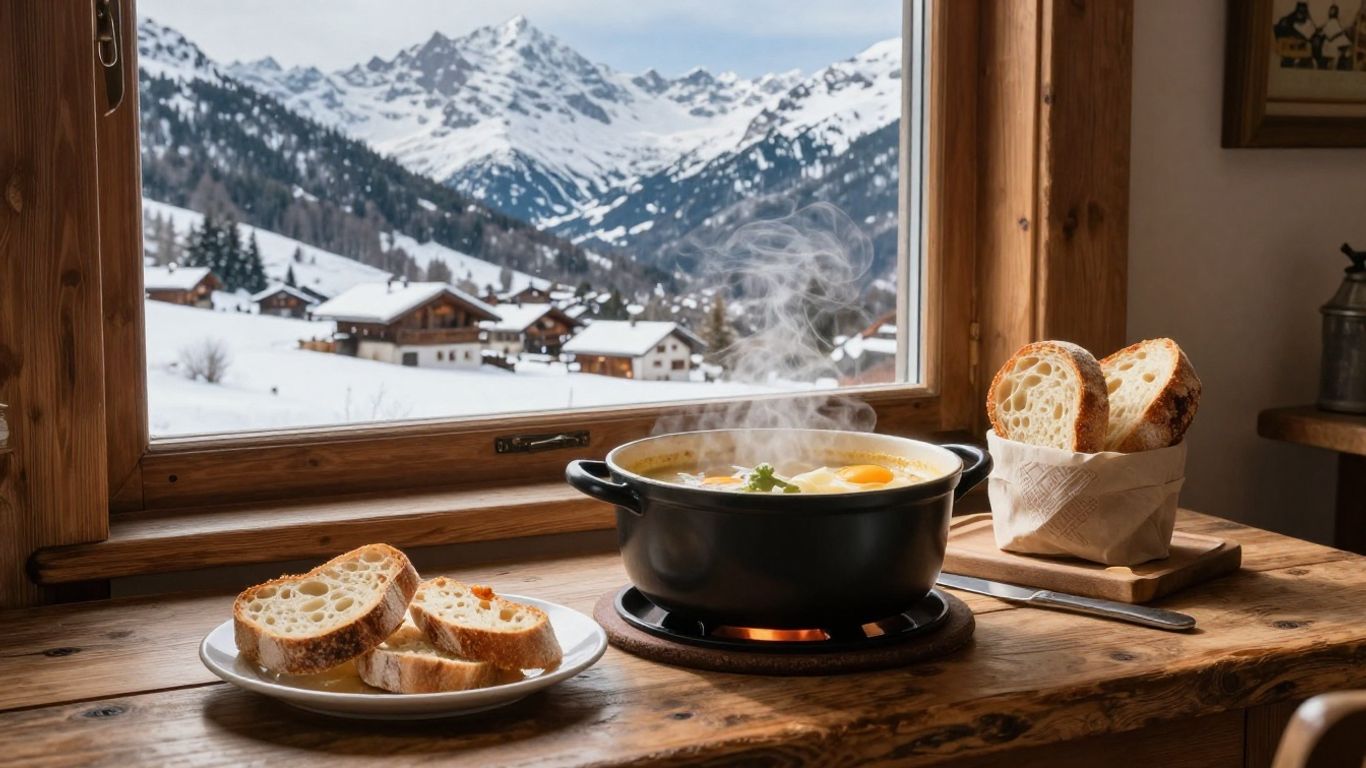
The most enjoyable part of my hiking experience occurs when I return to my comfortable mountain home after I complete my day of hiking. The establishments serve as dining facilities that function as essential centers for local community life while providing unexpectedly high-quality dining options. I discovered several locations that provide exceptional views together with their complete experience.
Refuge de la Flegere’s Mountain Vistas
The Refuge de la Flegere stands at a high location which offers visitors to Chamonix an experience that will leave them speechless. The route to the sanctuary requires passengers to take a cable car which already provides an exciting experience and then they need to traverse a brief distance on foot. The refuge building displays traditional architectural design through its robust stone construction and timber structural elements. The outdoor deck chairs provide visitors with the best experience at the location.
Visitors can observe the alpenglow process which illuminates the Mont Blanc massif while they enjoy their beverages. The communal dinner provides an excellent opportunity for hikers to socialize with one another. The restaurant serves a basic dinner which provides guests with substantial food that satisfies their needs after hiking activities. The location provides visitors with an authentic mountain experience that remains untouched by the busy activities occurring in the valley below.
Gite d’Alpage de Bellastat’s Snowy Views
This place is a bit more off the beaten path, often requiring a good hike to reach, especially in the shoulder seasons when snow can linger. Gite d’Alpage de Bellastat feels like stepping back in time. The alpine farmstead allows hikers to visit its traditional mountain farm. The views become more impressive when snow covers the nearby mountain tops.
The location provides an opportunity for complete disconnection from the outside world. The restaurant serves dishes that depend on local ingredients which include rich stews and homemade bread. The space has a rural atmosphere that provides deep satisfaction to visitors. The place serves as a historical demonstration of how mountain communities have survived through the ages.
Refuge du Plan Sec’s Atmospheric Setting
Nestled in the Vanoise National Park, Refuge du Plan Sec is a collection of three traditional chalets. What struck me immediately was how they were decorated with flowers. This makes them look incredibly inviting against the mountain backdrop. It’s a really atmospheric place to stay.
The setting feels quite special, almost like a hidden village. They offer meals, and it’s a chance to try some regional Savoyard specialties. It’s not just about the food or the bed; it’s about the feeling of being in a truly special, secluded spot. The quiet here is profound, broken only by the sounds of nature.
Spectacular Viewpoints for Hikers
When you hike through the French Alps, you will experience the need to find a location that provides an exceptional view. I found several locations that fulfill this requirement because they are located away from popular tourist destinations. The mountains provide special views that show hard work from climbers who seek to reach their summits.
Grand Balcon Nord’s Glacier Views
The trail between Plan de L’Aiguille and Montenevers above Chamonix contains the elements that define a classic trail. Hikers find one of the best places in the French Alps because the site offers exceptional distant viewing opportunities. I follow the long and winding path until I reach a rock which I use as a seat to watch my surroundings.
The ice presents such an enormous sight that it creates a feeling of deep respect from observers who view it from afar. The Forbes Signal viewpoint provides visitors with an outstanding vantage point that requires only a short time to reach. The experience creates the sensation of standing at the world’s end while observing a frozen river below.
Crete du Taillefer’s Lakeside Panorama
This one is a bit different. Located near Lac d’Annecy, the Crete du Taillefer offers a view that’s almost painterly. You see Chateau de Ruphy, this old castle, jutting out into the bright blue lake. The scene before you exists to show people why artists feel attracted to these mountains. The hike itself isn’t overly demanding, but the reward is this stunning vista. The location serves as a perfect picnic lunch area because visitors can enjoy the complete experience.
Rocher de Belleverde’s Valley Overlook
For a truly expansive feel, Rocher de Belleverde is a winner. The mountain offers a stunning view of the surrounding valleys, although it does not reach the same level of recognition as taller peaks. The view from this location provides you with the ability to see distant mountains which gradually become less visible. The location enables visitors to experience the enormous space that stretches across the entire Alpine region. I remember sitting there one afternoon, just watching the light change across the landscape. It was pure peace.
Here are a few things to keep in mind for these hikes:
- Check the weather: Mountain weather can change fast. Always be prepared.
- Wear good shoes: Trails can be rocky and uneven.
- Bring water and snacks: Especially for longer treks.
- Tell someone where you’re going: Safety first, always.
The viewpoints provide visitors with an opportunity to experience the natural beauty of the Alps without encountering any tourist activity. The observers serve as a reminder that people discover their most important life moments.
Exploring the Chartreuse Hinterland
The Chartreuse mountains instantly bring to my mind their dramatic limestone cliffs. That place gives me the experience of wild natural beauty. The massif remains hidden from tourists because visitors prefer its more popular neighboring areas. You can discover these amazing peaceful locations which create the impression that you have discovered an undisclosed area.
Charmant Som’s Rewarding Views
Charmant Som peak offers visitors easy access to experience its beauty. I remember the steep sections of the hike that I completed to reach my final destination. The Chartreuse region shows its complete territory through the view which extends in all directions from this point. The view from this location requires visitors to stop their activities and experience the complete scene. The location provides ideal conditions for outdoor dining during pleasant weather.
Passage de l’Aulp du Seuil’s Improbable Route
This particular experience requires you to step outside your comfort zone. The Passage de l’Aulp du Seuil is a route that shepherds have used for ages. The structure appears impossible to exist when you view it from your current position. The path ascends through the eastern section of the massif while it traverses rocky slopes and constricted areas. The route presents a slight challenge because of its dangerous appearance but it maintains complete safety. The half-day walk which I completed in this area, stands as my most impressive achievement because it gave me a complete sense of accomplishment.
The Legends of the Chartreuse Massif
The Chartreuse offers more than its scenic views because it contains historical sites and local legends. You hear stories about monks and hermits. The mountain region became home to a distinctive way of life that exists only in that specific area. The experience brings you closer to historical times because it establishes a connection to what existed before.
The massif creates a feeling of insignificance which brings out its most positive effects. The mountain serves as proof of nature’s strength while showing the enduring strength of the local population who have lived in this area for hundreds of years.
The Chartreuse hinterland offers an alpine experience that diverges from traditional tourist paths. The location definitely deserves to be visited. The location provides stunning views without any visitors, which creates an exceptional experience that remains uncommon in contemporary times. The location provides an opportunity to experience a genuine mountain connection. Regional specialties serve as an introduction to different French drinks found in the country.
Here’s a quick rundown of what to expect:
- Charmant Som: Great views with moderate effort.
- Passage de l’Aulp du Seuil: A thrilling, scenic hike.
- Local Legends: Stories that bring the landscape to life.
- Peace and Quiet: An escape from the usual tourist trails.
Beyond the Crowds: Your Alpine Adventure Awaits
The presented information establishes the existence of a French Alps itinerary that avoids popular tourist areas and their associated noise. We discovered exceptional locations throughout the French Alps that remain unknown to most people. The standard tourist paths become too accessible, yet authentic experiences only emerge when you explore beyond these familiar areas.
The mountain villages and hidden waterfalls and scenic viewpoints all create magical experiences. The special charm of each location exists as a unique attraction. They reveal the authentic beauty of the French Alps. They show that tourists can experience genuine peacefulness on their visit to this location. The most enjoyable trips happen when travelers find themselves in unanticipated situations. Your French Alps road trip begins when you pack your bags and start your adventure.
Frequently Asked Questions
Why is it worth taking a less crowded French Alps vacation?
Most tourists miss the incredible locations that exist throughout the French Alps. The hidden locations provide you with two experiences because they combine beautiful natural scenery with peaceful village environments. The mountain area provides you with a private space that feels like an undiscovered treasure.
Are these places hard to get to without a car?
Some locations become more accessible through car travel, but public transport provides access to multiple locations which can be explored through bike rentals and guided tour services. It is advisable to examine transportation options that provide access to each destination you intend to visit.
What kind of natural beauty can I expect to see?
The location contains both high, untouched mountain peaks and peaceful, clear lakes. The site contains massive caves and impressive waterfalls. The site contains both unique rock formations and beautiful valleys, which show stunning natural vistas.
Are there any historical sites in these lesser-known areas?
Absolutely! You can discover ancient fortresses that sit on top cliffs and fully intact historical towns. The old hamlets offer visitors a chance to experience historical time periods. Some places served as vital secret locations during World War II and other significant historical events.
What activities can I do in these hidden gems?
The hiking trails that lead to breathtaking viewpoints provide difficult walking paths for hikers to navigate. The area provides opportunities for visitors to discover underground caves while swimming in natural pools and observing wildlife and relaxing in picturesque villages. The area provides restaurants that serve diners with distinctive dining experiences.
Is it possible to stay overnight in these remote areas?
Yes, many of these places have charming mountain huts (refuges) or traditional guesthouses (gites) where you can spend the night. The locations provide visitors with an authentic mountain experience through their accommodation options.
What’s the best time of year to visit these less touristy spots?
The best time to visit tourist attractions occurs during the time period between peak summer days and late spring and early fall months. The winter season provides a peaceful atmosphere, although some locations will not be reachable. The unique beauty of each season creates its own special aesthetic.
How can I find more information about these specific locations?
This guide gives you a great start. For more detailed information on trails and accommodation, look for local tourism websites. You can also use a specialized French Alps travel guide to learn how to get around each hidden gem.


