

Ferries to Corsica: Marseille, Toulon and Nice Routes Compared

Key Takeaways
The best ferry depends on where you want to go in Corsica, how you plan to travel on the island, and whether an overnight crossing suits you.
- Marseille, Toulon, and Nice offer different route choices; schedules and destinations vary by season.
- Sailing times are only part of the journey: include travel to the port, check-in, and onward transport.
- Choose a Corsican arrival port that fits your first stop, rather than choosing only by ticket price.
- Summer dates and vehicle space can be in high demand, so compare schedules and fares early.
- Check current timetables and ticket conditions before finalizing travel plans.
How ferry routes from mainland France reach Corsica
Ferries connect mainland France with several Corsican ports, but the exact routes and sailing frequency depend on the departure port and time of year. When I planned a past trip, I found it helpful to begin with the island destination, then work backward to the mainland port. At Discover France Beyond Paris, our practical travel guidance is intended to help visitors plan beyond the major cities, including journeys to island destinations.
Main Corsican ports served from Marseille, Toulon and Nice
Corsica’s principal ferry arrival ports include Bastia, Ajaccio, and L’Île-Rousse, with some services also connecting to Porto-Vecchio. Route availability depends on the departure port and the timetable for your dates, so do not assume every mainland port serves every Corsican destination. If you are still choosing where to base yourself, a guide to places to stay in Corsica can help you match a port with the towns and areas you want to visit.
Which routes operate year-round and which may be seasonal
Some mainland-to-Corsica services run through much of the year, while others may operate less often or only during busier periods. Summer typically brings more travel demand, but the precise schedule is set by the ferry companies and may change between seasons. I would check the timetable for the actual travel dates before building a hotel stay or a driving itinerary around a particular sailing.
Direct crossings versus routes with an intermediate stop
A direct sailing is usually simpler to plan because you can travel from the mainland port to your chosen Corsican port without changing vessels. Other sailings may include an intermediate call, which can affect the timetable and total time aboard. Compare the full itinerary shown for your date, not just the departure and arrival ports, and allow for the possibility that different departures on the same route take different amounts of time.
Ferry operators and how their route networks differ
Ferry companies do not all offer the same combination of ports, dates, or departure times. For that reason, a useful comparison starts with the route you need and then checks which sailings are available, rather than assuming a particular company serves every crossing. For a broader view of how to choose between sea and air travel, see this guide to ferry and flight options.
Comparing departure ports and crossing times
The crossing that looks shortest on a map may not produce the quickest door-to-door trip. Travel time depends on the route, the vessel, the schedule, and whether the sailing is direct. I treat published durations as planning estimates, then check the live timetable before committing to ground transport or accommodation.
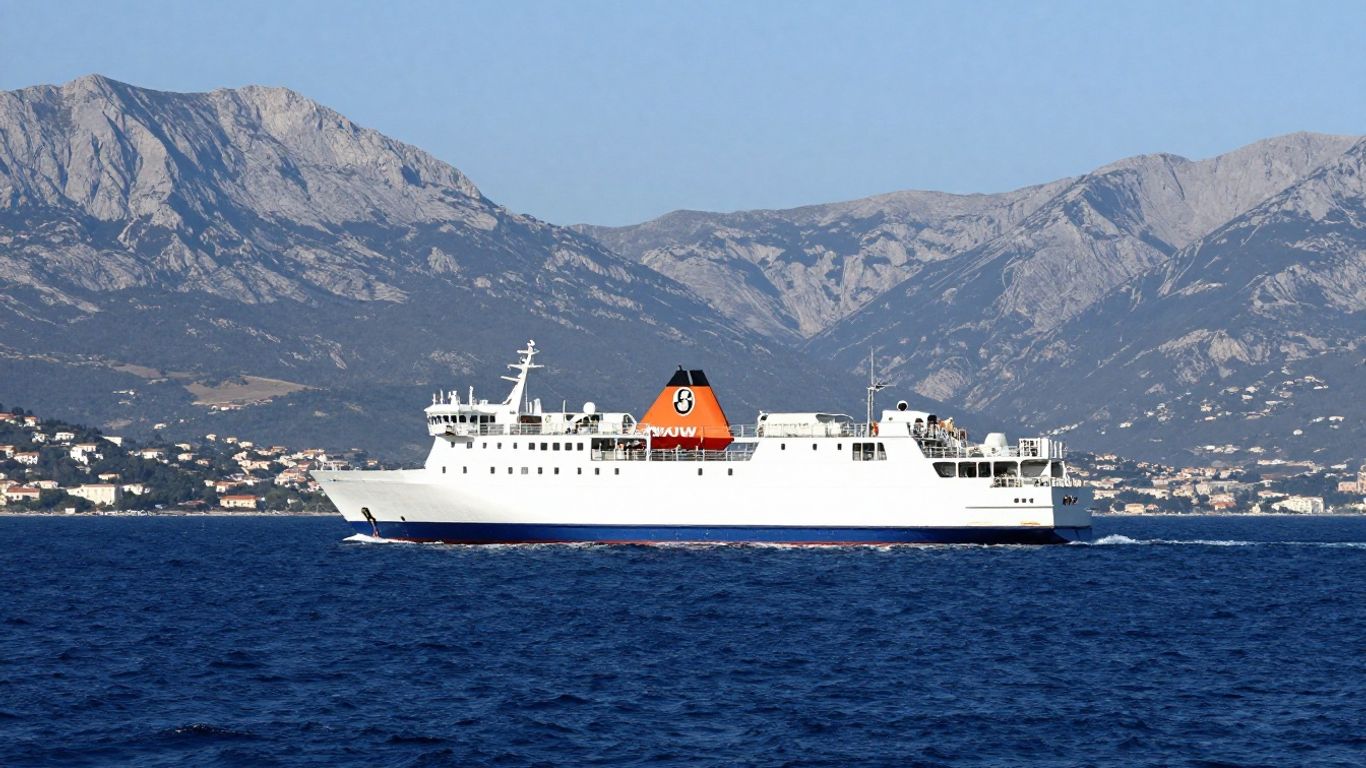
Typical journey times from Marseille to Corsica
Marseille offers overnight sailings to Corsica, and the crossing can take much of the night. As a broad planning guide, routes to major island ports often fall around the 10-to-12-hour range, though a specific departure may be shorter or longer. The table gives indicative ranges rather than a promise for any particular sailing.
| Route from Marseille | Indicative sailing time | Planning note |
|---|---|---|
| Bastia | About 10–12 hours | Often suited to an overnight crossing |
| Ajaccio | About 10–12 hours | Check the specific date and departure |
| L’Île-Rousse | Around 11–12 hours | Availability and duration can vary |
A cabin can make an overnight journey more comfortable, while a daytime sailing may suit travelers who prefer to stay awake and see the coast. Confirm the arrival time as well as the duration, especially if you have a long drive or a hotel check-in planned after landing.
Typical journey times from Toulon to Corsica
Toulon is another mainland departure point with routes to Corsica, and some crossings may be shorter than comparable sailings from Marseille. The actual difference depends on the destination and departure selected, so use the timetable rather than a general route comparison to estimate your trip. If you are driving to Toulon, also include the time needed to reach the port and complete check-in.
What to expect from routes departing Nice
Departures from Nice can be more limited or seasonal, depending on the year and route. Where a sailing is available, its duration and destination may differ from services leaving Marseille or Toulon. Check the timetable carefully before treating Nice as a convenient alternative, particularly if your travel dates are outside the peak season.
How departure port and destination affect total travel time
Your trip time begins well before the vessel leaves the dock. Add the journey to the port, required arrival time, sailing, disembarkation, and the onward route to your first stop. If you are comparing travel modes, Aviasales is a flight metasearch engine that compares available options based on your filters; travelers book directly on airline or agency websites. Comparing that door-to-door journey with the ferry can clarify whether the longer crossing is worthwhile for your plans.
Choosing the right Corsican arrival port
The right arrival port is the one that puts your first destination within a manageable onward journey. Corsica’s roads are scenic but often winding, so a short distance on a map can take longer to drive than expected. I would choose the port after sketching the first few days of the trip, rather than treating the island as if every region were equally close to every harbor.
Bastia for northern Corsica and onward road trips
Bastia works well as a starting point for northern Corsica, including Cap Corse and the island’s northeast. It is also a practical arrival for travelers planning to drive toward the interior or continue south in stages. Those who want to reduce driving can look into the Corsican scenic train, which connects several towns and offers a different way to experience the island.
Ajaccio for the west coast and central island
Ajaccio is a useful base for exploring the west coast and parts of central Corsica. It can suit travelers who want a city stay at the start or finish of a trip, as well as those planning to continue inland. For a route that includes mountain towns, beaches, and several regions, compare the arrival port with the whole itinerary rather than a single day’s drive.
Porto-Vecchio and other southern destinations
Porto-Vecchio can be convenient for southern beaches and onward travel toward Bonifacio, when a sailing to that port is available on your dates. Other travelers may find that arriving elsewhere and driving south fits their schedule better. Corsica’s south has several possible bases, so consider both the port and the distance from it to your accommodation.
Matching the arrival port to your itinerary
A port decision often becomes clear once you identify your first overnight stop and how much driving you want to do immediately after disembarking. I find it useful to group the trip around a few regional bases, rather than crossing the island repeatedly. For a week-long trip, a seven-day Corsica itinerary offers a useful framework for thinking about routes and overnight stops.
Before booking, weigh these practical points together:
- The region where you plan to spend your first nights.
- Whether you will bring a car or arrange other transport.
- The driving distance and likely road time after arrival.
- Which ports have a sailing that fits your travel dates.
This simple check can prevent a low-priced ticket from adding a tiring drive to the start of the holiday. For accommodation, compare bases such as Bastia, Ajaccio, Calvi, Porto-Vecchio, or Bonifacio according to your route and preferences; a Corsica accommodation guide gives a broader overview of the island’s regions and travel choices.
Comparing fares, schedules and onboard options
Ferry prices vary with date, demand, departure time, and the number of passengers or vehicles on a booking. A fare that looks attractive at first may not include the options you need, so compare the complete trip rather than the headline amount. On an overnight route, comfort can matter as much as the sailing time, especially if you expect to start driving soon after arrival.
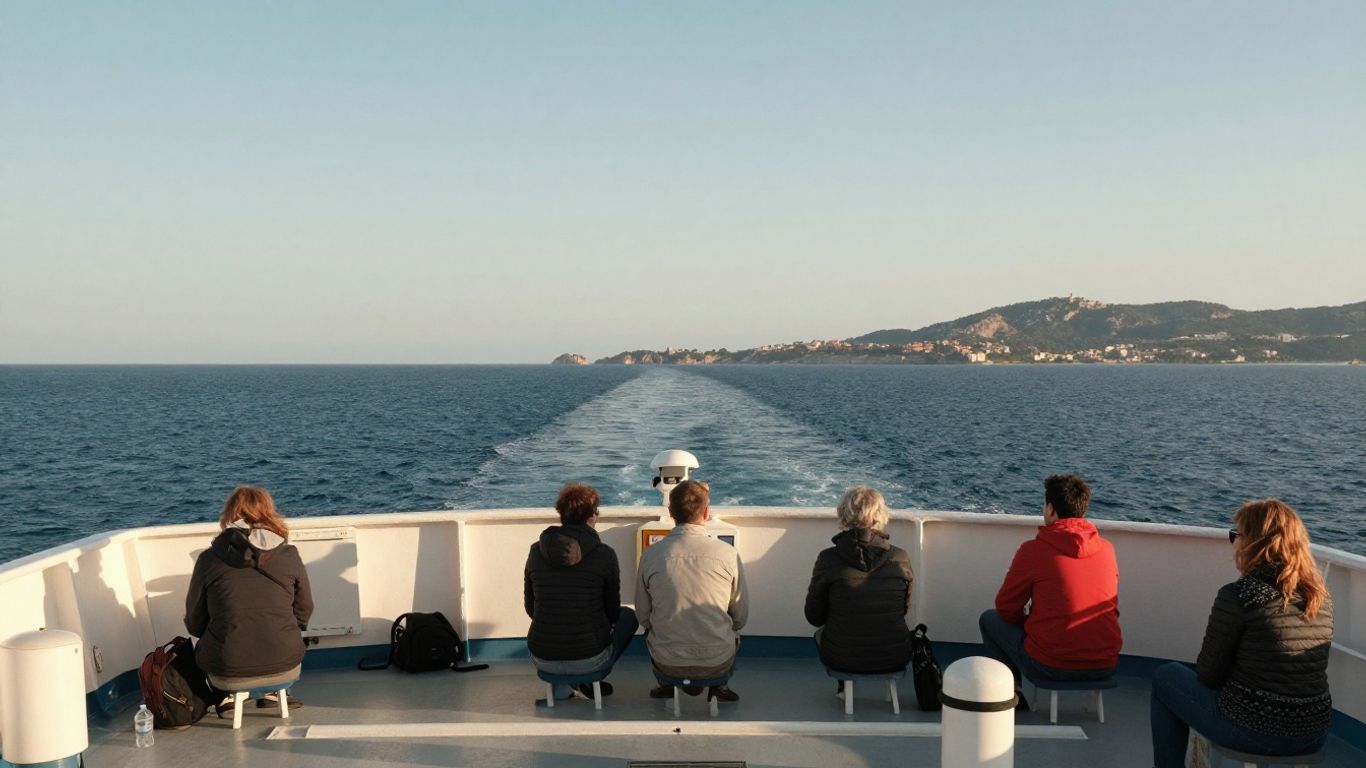
How dates, demand and departure times affect ticket prices
School holidays, summer weekends, and popular departure times can be busy, while less sought-after dates may offer more choice. Prices change, and there is no single fare that applies to every sailing. If your travel dates are flexible, compare nearby days and times; the best time to visit Corsica guide can help you weigh seasonal conditions and demand.
What is included in passenger and vehicle fares
Check what the fare covers before comparing it with another sailing. Passenger tickets and vehicle bookings may be priced separately, and the cost can depend on the vehicle details and any selected extras. Review the final booking summary for the number of travelers, vehicle, and added options so that you are comparing like with like.
Cabins, seating and facilities on overnight crossings
For an overnight sailing, consider whether you want a cabin, a reserved seat, or another available seating option. Facilities vary by vessel, so consult the details for the specific departure rather than assuming every ship offers the same onboard choices. If you arrive early and plan to drive, a cabin may be worth considering for rest, although it adds to the ticket cost.
Checking seasonal timetables before choosing a route
Timetables can differ between summer and the rest of the year, and some routes may not operate every day. Check both directions if you are booking a return trip, since a convenient outbound sailing does not guarantee an equally convenient return. Once you have confirmed the schedule, you can align lodging and road travel with the actual arrival time.
Getting to the Marseille, Toulon and Nice ferry ports
Reaching the port is part of the crossing plan, not a separate detail to solve at the last minute. Each departure city has its own road and transit arrangements, and the best choice depends on where you are staying and how you are traveling. Discover France Beyond Paris focuses on practical logistics for exploring France beyond Paris, so I recommend checking the port’s current access instructions as carefully as the sailing itself.
Reaching each port by car and public transport
If you are driving, confirm the address and vehicle access for your terminal before setting off; port areas can have separate entrances and traffic patterns. Travelers using public transportation should check connections and operating times for the day of departure, including any final leg between a station and the terminal. Build in a backup plan if a connection is delayed, rather than relying on a tight transfer.
Parking, check-in and boarding time considerations
Follow the arrival time and check-in instructions shown on your ticket. Passengers with vehicles may need to follow a specific lane or boarding procedure, and the process can differ by port and sailing. If you are leaving a car behind, verify parking availability and terms in advance instead of assuming that spaces will be open when you arrive.
Planning connections from airports and train stations
When connecting from an airport or train station, allow time for baggage collection, local transport, and the final walk or ride to the terminal. A flight search is only one part of that plan: Aviasales lets travelers compare flight options, then directs them to book with an airline or agency. I would avoid scheduling a flight arrival close to ferry check-in, since delays could put the connection at risk.
Allowing extra time during busy travel periods
Roads and transport links can be busier during peak holiday periods, particularly when many travelers are heading to the coast. Add a reasonable buffer for traffic, finding the right terminal, and completing check-in. At Discover France Beyond Paris, we encourage travelers to plan for the practical details as well as the destination; a little extra time at the port can make the start of the crossing less rushed.
How to book the best ferry to Corsica for your trip
There is no single best crossing for every traveler. A family with a car, a foot passenger connecting from a train, and someone planning a short southern stay may reasonably choose different routes. When I make a travel plan, I compare the whole journey and keep the ticket conditions close at hand before paying.
Comparing routes by total journey time, not sailing time alone
Add the mainland journey to the terminal, check-in time, crossing, arrival procedures, and onward travel to your accommodation. A longer sailing from a nearby port may be easier than a shorter one that requires a difficult transfer. The comparison should also reflect whether you will drive on the island or rely on public transportation; advice on renting a car in Corsica can help you decide what works for your itinerary.
Choosing between convenience, price and destination
A lower fare may involve an inconvenient departure time, a less suitable arrival port, or extra travel on either side of the crossing. Compare those trade-offs with your budget and the places you most want to see. If you are staying in the south, arriving closer may save road time; if your trip begins in the north, a northern port may be a more direct fit.
Booking early for summer travel and vehicle space
For summer trips, looking early gives you more opportunity to compare sailing times, fares, and vehicle availability. This matters most when your dates are fixed or you need to bring a car. Check the timetable again before booking accommodation that depends on a late-night or early-morning arrival, and keep a copy of the confirmation accessible during travel.
Reviewing ticket changes, cancellations and travel requirements
Before purchase, read the conditions for changes, cancellations, check-in, and the vehicle you plan to take. Confirm that passenger and vehicle details are correct and that the sailing matches your intended direction and date. For travelers combining a ferry with other reservations, leave enough flexibility to handle a schedule change without putting the rest of the trip under pressure.
Conclusion
A good ferry to Corsica is the one that fits your destination, schedule, and preferred way of traveling, not simply the route with the shortest advertised crossing. Compare the complete door-to-door journey, check current timetables, and choose an arrival port that makes sense for your first stay. With those details settled, it is easier to plan the island portion of the trip at a comfortable pace.
Frequently Asked Questions
Which mainland port is best for a ferry to Corsica?
It depends on your starting point, travel dates, and intended destination on the island. Compare available routes from Marseille, Toulon, and Nice against the full journey to your first stop.
How long does a ferry from France to Corsica take?
Crossing times vary by departure port, arrival port, vessel, and sailing. Some journeys take much of the night, so check the duration shown for your exact date.
Are ferries to Corsica available all year?
Some routes operate through much of the year, while others may be seasonal or less frequent. Check the timetable for the dates you plan to travel.
Should I take a car on the ferry?
A car can make it easier to explore remote beaches and mountain areas, but it adds to the fare and requires planning for island roads. Consider your route, vehicle needs, and available transport before booking.
Is an overnight ferry to Corsica a good option?
It can be practical if you want to travel while you sleep and arrive the following day. Consider the arrival time and whether you want to reserve a cabin or seat.
When should I book a summer ferry to Corsica?
Booking early is sensible when dates are fixed, especially if you need space for a vehicle. Compare several departure times and review ticket conditions before paying.
Where should I stay after arriving in Corsica?
Choose a base that suits your itinerary: Bastia for the north, Ajaccio for the west and central areas, or a southern town such as Porto-Vecchio for nearby beaches. Consider road time and how often you want to change accommodation.


